
More pictures of this place


What is recorded here
Places near here
Photo credits
- Graham Hogg, Wikimedia Commons · CC BY-SA 2.0
- Stevie Spiers, Wikimedia Commons · CC BY-SA 2.0
- Ian Murfitt, Wikimedia Commons · CC BY-SA 2.0
- Robert Murray, Wikimedia Commons · CC BY-SA 2.0
- Richard Sutcliffe, Wikimedia Commons · CC BY-SA 2.0
- Maker not stated on source page, www.dreamstime.com
- Barbara Carr, Wikimedia Commons · CC BY-SA 2.0
- Mmt at English Wikipedia, Wikimedia Commons · Public domain
- Richard Webb, Wikimedia Commons · CC BY-SA 2.0
 Linlithgow, Linlithgow Palace, FountainFountain (16th Century) · 25 yd
 Linlithgow PalaceNo Class (event) · 38 yd
 Linlithgow Palace, GatewayGatehouse (16th Century), Gateway (16th Century) · 50 yd
 Linlithgow, St Michael's ChurchBurial Ground (15th Century), Burial Vault (17th Century), Church (15th Century) (1425), War Memorial (20th Century) · 62 yd
 Linlithgow Palace, LodgeGate Lodge (19th Century) · 66 yd
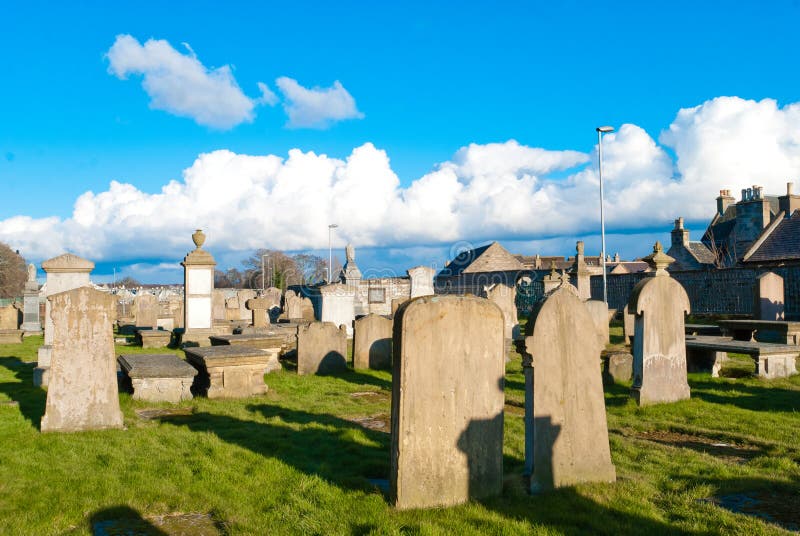 Mapped cemeteryCemetery · 90 yd
 Linlithgow, High StreetPot(s) (medieval) · 490 yd
 LinlithgowTanning Pit(s) (post Medieval) (possible), Walled Garden (modern) · 496 yd
 Linlithgow, High Street, New WellDrinking Fountain (18th Century), Well (18th Century) · 513 yd
 Linthgow, Braehead Road, CemeteryCemetery (19th Century) · 1091 yd
 John Muir WayWalking route · 1598 yd
 Linlithgow, Mill RoadNo Class (event) · 1684 yd
More historic places in West Lothian · All of West Lothian

What do you know about this place?Tap to add a comment or ask a question