
More pictures of this place


Places near here
Photo credits
- Thomas Nugent, Wikimedia Commons · CC BY-SA 2.0
- Raibeart MacAoidh, Wikimedia Commons · CC BY-SA 2.0
- David Smith, Wikimedia Commons · CC BY-SA 2.0
- Richard Sutcliffe, Wikimedia Commons · CC BY-SA 2.0
- Stephen Sweeney, Wikimedia Commons · CC BY-SA 2.0
- Sara Thomas, Wikimedia Commons · CC BY-SA 4.0
 Glasgow, Kelvingrove Park, Bandstand and AmphitheatreAmphitheatre (20th Century), Bandstand (20th Century) · 52 yd
 Lord Kelvin StatueMemorial · 71 yd
 Glasgow, Kelvingrove Park, Kelvin StatueStatue (early 20th Century) (1913) · 72 yd
 Glasgow, Kelvin Way, GeneralGeneral View · 75 yd
 Lord Lister StatueMemorial · 94 yd
 Glasgow, Kelvingrove Park, Clayslaps MillsSluice (medieval), Steam Engine (19th Century) - (late 19th Century) (1814)-(1874), Watermill (early 16th Century) - (late 19th Century)-(1874), Weir (medieval) · 144 yd
 Glasgow University and Kelvingrove Museum and Art GalleryHeritage place · 175 yd
 Mini waterfall in Kelvingrove ParkWaterfall · 182 yd
 Vital SparkSculpture · 200 yd
 MemorialVisitor information · 212 yd
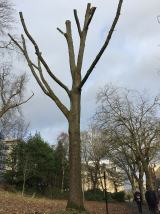 Suffrage OakHungarian Oak · 264 yd
 Woodland and River KelvinForest or wood · 276 yd
More things to do in Glasgow City · All of Glasgow City

What do you know about this place?Tap to add a comment or ask a question