DDiscover AloneMapAbout

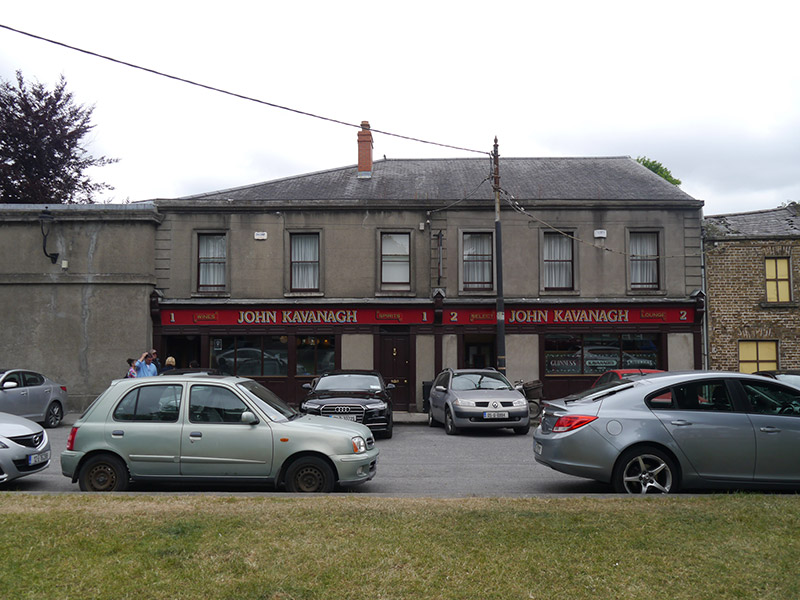
John Kavanagh

House
John Kavanagh
Photo: National Inventory of Architectural Heritage · Report the wrong picture

What is recorded here

Attached six-bay two-storey public house, built c. 1830, extended to rear. Pitched slate roof, hipped to west end, having angled ridge and hip tiles, with replacement red brick chimneystack to west; concealed gutters to rendered parapet over stucco cornice. Unpainted ruled-and-lined cement-rendered walling over double…

Read the whole record
Attached six-bay two-storey public house, built c. 1830, extended to rear. Pitched slate roof, hipped to west end, having angled ridge and hip tiles, with replacement red brick chimneystack to west; concealed gutters to rendered parapet over stucco cornice. Unpainted ruled-and-lined cement-rendered walling over double pubfrontage; banded quoins to each end and to centre. Square-headed window openings to first floor, with moulded rendered architraves, granite sills and one-over-one pane timber sliding sash windows. Double pubfrontage, spanned by continuous hand-painted fascia in timber frame having scrolled bracketed ends with gableted finials; square-headed door and window openings with fluted pilasters, panelled aprons and rendered plinth; bipartite and tripartite plate-glass windows having timber mullions. Building looks onto green space of Prospect Square and is abutted to west by east gate and lodge of Glasnevin Cemetery.
John Kavanagh's public house is a relatively modest early nineteenth-century building, located at the east perimeter of Glasnevin Cemetery. In its current form it is shown on the first edition OS map of 1843. The pub was opened in 1833 within the original house by hotelier John O'Neill in the year following the opening of Glasnevin (originally Prospect) Cemetery; O'Neill's daughter married John Kavanagh, whose name remains over the pubfront, and the premises has remained in the ownership of the family for almost two centuries. It is attached to the original east entrance of the cemetery and is traditionally held to have provided a convenient watering hole for grave diggers working nearby, as well as those attending funerals, becoming popularly known and celebrated as the Gravediggers'. Although rather plainly detailed, with replacement timber pubfrontage in a traditional style, it retains a wealth of historic character and interior fabric, including the timber bar counters and stalls, further enhanced by a vibrant social history. The building benefits from a secluded location on Prospect Square, and is architecturally enhanced by its relationship to the cemetery lodge and gates, and the green space at the centre of the square.

From the Buildings of Ireland (National Inventory of Architectural Heritage) record 50130105

This does not grant access. Most recorded buildings are privately owned; view them only from public ground unless the owner allows entry.

Recorded change of use
Originally house; recorded by the architectural inventory as public house
What do you know about this place?Tap to add a comment or ask a question

What you write will be public.

Places near here

Photo credits
  • Kurt Stüber [1], Wikimedia Commons · CC BY-SA 3.0
  • Darkone ( talk · contribs ), Wikimedia Commons · CC BY-SA 2.5
  • Pymouss44, Wikimedia Commons · CC BY-SA 3.0
  • Sitomon, Wikimedia Commons · CC BY-SA 2.0
  • Nikos D. Karabelas, Wikimedia Commons · CC BY 4.0
  • William Murphy from Dublin, Ireland, Wikimedia Commons · CC BY-SA 2.0
  • Maker named on the Wikimedia Commons picture page · CC BY-SA 3.0
  • Maker named on the Wikimedia Commons picture page · Public domain
  • JP, Geograph · CC BY-SA 2.0
  • National Inventory of Architectural Heritage
  • Smirkybec, Wikimedia Commons
Caucasian zelkova246 yd

Explorer Tom Caucasian zelkova in County Dublin saw a dramatic scene once where a pigeon tried to build a nest in its top branch and…
Tree of Heaven364 yd

Explorer Tom Tree of Heaven in County Dublin would win a county fair prize for best smelly tree, beating out even the old socks in…
Hybrid strawberry tree375 yd

Explorer Tom Hybrid strawberry tree in County Dublin makes a weird scratching sound at night that sounds suspiciously like someone…
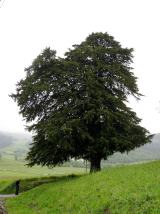
European Yew415 yd

Explorer Tom European Yew in County Dublin thinks it's a shortcut, but it's really just a very slow walk through time that nobody…
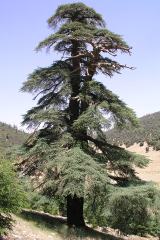
Atlas Cedar474 yd

Explorer Tom Atlas Cedar in County Dublin is just standing there looking majestic and mysterious with no recorded details. Since we…
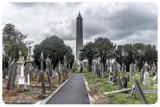
Glasnevin CemeteryHistoric cemetery · 566 yd

Explorer Tom Glasnevin Cemetery holds Dublin's history on Finglas Road, from carved crosses and quiet family plots to the tower…
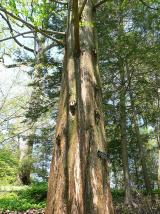
Dawn Redwood578 yd

Explorer Tom Dawn Redwood: This ancient-looking conifer in Dublin is basically a time traveller that forgot to bring sunscreen…
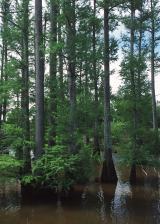
Baldcypress611 yd

Explorer Tom Baldcypress in County Dublin is sick of being asked if it's lost its hair, which is a rude question for a tree that…

Church of Christ the KingChurch/chapel · 1299 yd

Explorer Tom Church of Christ the King in Cabragh is basically a showpiece from 1932. Robinson and Keefe built it for the…
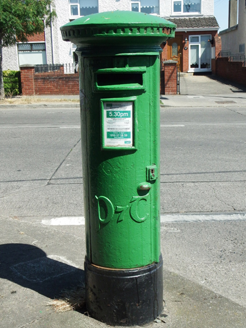
post box1313 yd

Explorer Tom Post box on Ballygall Road East was built by someone who was really thinking about how to make a letter feel like it…
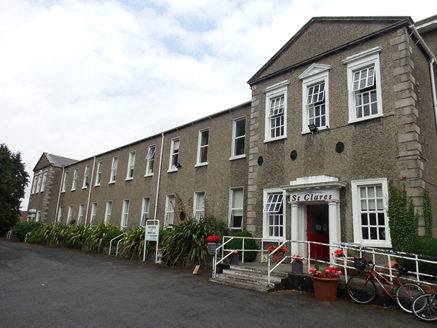
St. Clare's Residential HomeHouse · 1383 yd

Explorer Tom St. Clare's Residential Home swears by the superstition that if you whistle while walking past Griffith Avenue, your…

Albert College ParkPark · 1.0 mi

Explorer Tom Albert College Park began as a teaching farm, so I could walk through it and pretend I was studying very hard for an…

More historic places in County Dublin · All of County Dublin

Add to this placeAdd a picture Add a detailed tip Add a story

Explore the map1,095,414 places to discover

Next place · or swipeCaucasian zelkova