What is recorded here
Doe Castle (National Monument Number 319): It is first mentioned in 1544 in connection with an internecine struggle between the sons of MacSweeny Doe. Some survivors of the Spanish Armada were granted refuge here in 1588. Between 1600 and 1614 the castle figured prominently in the local wars between the English and…
Read the whole record
From the National Monuments Service (Archaeological Survey of Ireland) record DG026-023003
Places near here
Photo credits
- Original uploaded by Brendandh (Transfered by Lvova ), Wikimedia Commons · CC BY 2.5
- National Inventory of Architectural Heritage
- Joseph Mischyshyn, Geograph · CC BY-SA 2.0
- Vadim Manuylov, Wikimedia Commons · CC BY-SA 3.0
- dalvenjah on Flickr, Wikimedia Commons · CC BY-SA 2.0
- Kenneth Allen, Geograph · CC BY-SA 2.0
- Rossographer, Geograph · CC BY-SA 2.0
- Rossographer, Wikimedia Commons · CC BY-SA 2.0
- Kenneth Allen, Wikimedia Commons · CC BY-SA 2.0
 Doe CastleCastle, tower house · 8 yd
Explorer Tom Doe Castle is a real legend, having sheltered survivors of the Spanish Armada way back in 1588. Perched on a promontory in Sheephaven Bay, it’s a dramatic spot where the sea protects three sides of this historic tower house.
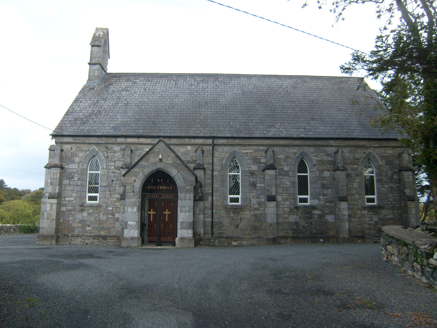 Saint Columba's Church (Kilmacrenan)Church/chapel · 983 yd
Explorer Tom Saint Columba's Church (Kilmacrenan) was built in 1847, but it keeps a font from 1684 inside. That tiny basin is older than the whole stone shell around it! I bet it has been sitting there quietly, listening to centuries of sermons without once spilling a single drop.
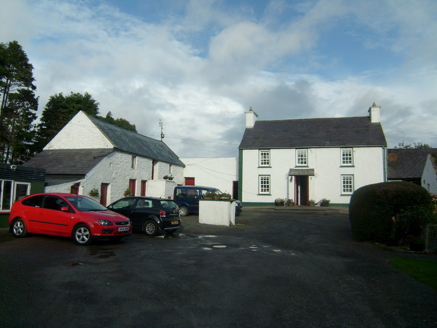 farm house1225 yd
Explorer Tom Farm house in Cashel was built c.1845 and features external stone steps leading directly to its first floor. Who decided that climbing stairs was a better way to arrive than just walking through the front door? It looks like someone forgot to build the ground-floor entrance until much later.
 Ards Friary Coastal LoopOfficial walking route · 1.6 mi
Explorer Tom We can drive clockwise to enter this friary grounds. Let's take this moderate coastal loop and soak up those historic, salt-air views.
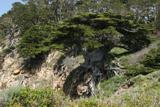 Monterey Cypress1.7 mi
Explorer Tom Another charming Monterey Cypress in Donegal awaits, so remember to check if permission is needed first.
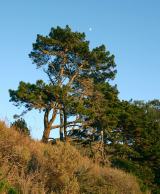 Monterey Pine1.7 mi
Explorer Tom A tall Monterey Pine graces County Donegal, and you may need permission to appreciate its full height.
 Rose's BarPub · 1.9 mi
Explorer Tom Rose's Bar in County Donegal is blooming with potential, or at least it smells like rose water and old beer. Go there if you want to feel pretty and slightly dizzy.
 Mcnulty's BarPub · 1.9 mi
Explorer Tom McNulty’s Bar is likely full of people who think they’re great at darts. Watch them miss, then laugh quietly so they don’t notice you laughing.
 Clonmass IslandIslet · 2.8 mi
Explorer Tom Clonmass Island sits near Little Isle at the north of Clonmass Bay, a place where accurate maps are essential for finding your way.
 Ballymore Lower Tomb near DunfanaghyMegalithic tomb · 2.9 mi
Explorer Tom Ballymore Lower Tomb near Dunfanaghy offers a massive view toward Muckish Mountain, even if the stones themselves are a bit of a puzzle. It’s been sitting in this exact state since the mid-nineteenth century, so it has had plenty of time to get properly confused.
 Faymore DolmenNamed dolmen · 2.9 mi
Explorer Tom Faymore Dolmen sits right on the roadside with its big capstone perched proudly on upright stones. I can’t find an official number for it, but seeing that massive rock balanced there makes me wonder what story it’s keeping to itself.
 DowningsOfficial bathing water · 4.1 mi
Explorer Tom Downings gets to sit snug in Sheephaven Bay while Rosguill takes the Atlantic full in the face. I can almost hear the peninsula boasting about the arrangement. Donegal tourism lists windsurfing here, though the wind gets the final say on any plans for the water.
More castles and forts in County Donegal · All of County Donegal

What do you know about this place?Tap to add a comment or ask a question