Places near here
Photo credits
- National Inventory of Architectural Heritage
- surrealpenguin, Wikimedia Commons · CC BY-SA 2.0
- Ian Brooker and David Kleinig, Wikimedia Commons · CC BY 3.0 au
- Sarah777 at English Wikipedia, Wikimedia Commons · Public domain
- Sarah777, Wikimedia Commons · CC BY-SA 2.0
- 瑞丽江的河水, Wikimedia Commons · CC BY-SA 4.0
- Smirkybec, Wikimedia Commons · CC BY-SA 4.0
- Ryanforsyth9, Wikimedia Commons · CC BY-SA 4.0
 monument678 yd
Explorer Tom Monument in Boleybaun has been feuding with the rain for two centuries, which is impressive given it’s just a stone pillar. It remembers Anthony Perry and Michael Redmond who died in 1798 and probably thinks they’d be annoyed by the moss. Stand back and let it have its grumble about the weather.
 Inch Railway StationStation master's house · 1152 yd
Explorer Tom Inch Railway Station has a feud with the next village over something daft like train timetables. The station master's house is still holding a grudge about a late train from decades ago. Hope you don't mention the word 'delay' out loud near it ever again.
site of Fort and CastleFortification · 1182 ydExplorer Tom Site of Fort and Castle in Fortchester Upper has a secret talent for disappearing completely, which is quite handy if you don’t want paying for repairs. It used to be a real fort with a garrison, but now it’s just a vague memory on an old map. If it rains, blame me.
Fulacht fia in KillybegsFulacht fia · 1280 ydExplorer Tom Fulcht fia in Killybegs in Wexford is feuding with the next village over something incredibly stupid, likely involving a lost spoon. It’s just burnt stone now, but it still radiates pure petty energy from that ridge. Count the crows, then count again.
 Persian Walnut2.5 mi
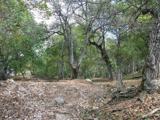
Explorer Tom Persian Walnut in County Wexford had a fiddler playing all night until the locals threatened to throw rocks at him. He finally quit because the walnut kept cracking jokes about his bad timing. Bring a notebook and write the bit I made up.
 Johnston's gum2.6 mi
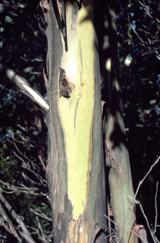
Explorer Tom Johnston's gum in County Wexford must have taken about four billion cups of tea to build, judging by how thick that bark looks. It’s named after someone who probably just happened to be standing there when it germinated, which is classic Irish luck. The photo shows it peeling like a giant, confused snake. Pick a stone, any stone, and invent its biography.
 Tara HillMountain / peak · 2.9 mi
Explorer Tom Tara Hill is the Wexford one, and it may enjoy telling visitors it stands higher than its famous namesake in Meath. At 253 metres it rises sharply from fairly flat coastal country; the Royal Hill of Tara is lower, though nobody sensible ranks history by height. A cairn marks the summit, with views toward Gorey, Courtown and the Irish Sea. You can spot the hill from Gorey around seven kilometres away. I would claim to have followed it like a beacon, but I still managed to miss a turning. The summit and surrounding land need a proper walking route, so check current access and weather, and leave the cairn untouched. From above, notice how much coast this modest height can command. It earns its own name without borrowing a scrap of Meath's legend.
 Arklow RockMountain / peak · 4.1 mi
Explorer Tom Arklow Rock is basically a giant stone bench where the seagulls hold council meetings to complain about the quality of local fish and chips. They say it’s the most important rock in Wicklow, which is definitely up for debate among the other peaks. Bring a notebook and write the bit I made up.
 The CoveBeach / strand · 4.7 mi
Explorer Tom The Cove in Arklow is incredibly proud of its ability to hide lost keys from everyone who drops them there without fail. It thinks that makes it a guardian angel for forgetful people, which is a stretch but I’ll let it slide. Go on, count the windows and get it wrong like I did.
 Battle of ArklowBattle · 4.8 mi
Explorer Tom The Battle of Arklow is where the local sheep have had strong opinions about men in red coats since 1798, mostly involving bleating and standing very still. It’s a field with a serious attitude problem regarding history. Bring the dog, it'll have opinions.
 Market HouseHeritage attraction · 5.1 mi
Explorer Tom Gorey’s Market House is the uncle at a wedding who stands by the cake looking confused about why everyone is dancing while he just wants a quiet drink. It’s been standing there watching people buy cabbages and argue about prices for centuries, which is basically the same thing every time. Take a mate and argue about what it was for.
 1798 MonumentMemorial · 5.4 mi
Explorer Tom This 1798 Monument has an imaginary twin across the sea that they argue about every time the wind picks up from the west. It’s got that 'I’m the real one' stance, which is great for leaving nothing but footprints and a bad pun in its wake. Leave nothing but footprints and a bad pun.
More historic places in County Wexford · All of County Wexford

What do you know about this place?Tap to add a comment or ask a question