DDiscover AloneMapAbout

House in Tully

House
House in Tully
Photo: National Inventory of Architectural Heritage · Report the wrong picture

This does not grant access. Most recorded buildings are privately owned; view them only from public ground unless the owner allows entry.

What do you know about this place?Tap to add a comment or ask a question

What you write will be public.

What is recorded here

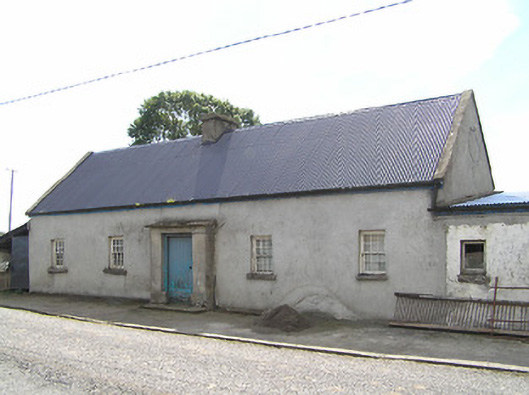
Detached five-bay single-storey vernacular house, built c. 1800 and altered c. 1890, having projecting windbreak porch to the centre of the front elevation (northeast). Now disused. Lean-to extension/projection to southeast gable and single-storey extension to northwest gable having mono-pitched corrugated-metal roof.…

Read the whole record
Detached five-bay single-storey vernacular house, built c. 1800 and altered c. 1890, having projecting windbreak porch to the centre of the front elevation (northeast). Now disused. Lean-to extension/projection to southeast gable and single-storey extension to northwest gable having mono-pitched corrugated-metal roof. Steeply pitched corrugated-metal roof with single rendered chimneystack to the centre of the roof, and raised rendered verges to either gable end. Smooth cement rendered finish over rubble stone construction, exposed to rear (southwest). Square-headed window openings with six-over-six pane timber sliding sash windows and stone sills. One-over-one pane timber sliding sash windows to the rear elevation (southwest). Square-headed doorway to windbreak porch having battened timber door. Road-fronted to the northwest of Longford Town. Set in the remains of a nucleated vernacular settlement (clachan), many of the former dwellings now altered and in use as outbuildings/stores.
Although now disused, this attractive single-storey vernacular house retains its early character Modest in scale, this house exhibits the simple and functional form of traditional vernacular dwellings in Ireland. Its original character has been preserved in the retention of features and materials such as six-over-six pane timber sliding sash windows, tooled limestone sills, a timber battened door and a traditional windbreak porch to the entrance. The position of the chimneystack, in line with the doorway, suggests that it has the lobby-entry plan that is characteristic of the vernacular architecture of the midlands of the Ireland. This building is quite symmetrical to the front elevation, which is an unusual feature for a vernacular dwelling of its type. The form of this building suggests that it was extended and altered at some stage, perhaps at the end of the nineteenth century (map information). The steep pitch of the roof, and the evidence of building at eaves level to the rear, suggests that it was formerly thatched. It is now roofed with corrugated-metal, which widely replaced thatch as a vernacular material in Ireland during the late-nineteenth and during the twentieth centuries. This dwelling is of a type that was once commonplace in Irish towns and villages but now very rare, making this an important surviving example of its type. This building is the best surviving dwelling in a former nucleated vernacular settlement (clachan), arranged irregular to either side of a small country road. Nucleated settlements of this type are rare in County Longford, which adds additional interest and importance to this vernacular house. The surviving vernacular buildings, many of which are now in use as stores are outbuildings, add context to the setting.

From the Buildings of Ireland (National Inventory of Architectural Heritage) record 13401309

Places near here

Photo credits
  • National Inventory of Architectural Heritage
  • Maker not stated on source page, nigelborrington.com
  • Maker not stated on source page, www.pinterest.com
  • Maker not stated on source page, field-monuments.galwaycommunityheritage.org
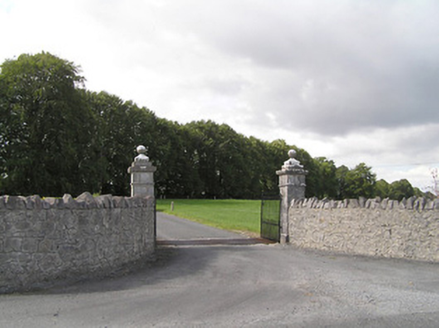
Brianstown HouseGates/railings/walls · 771 yd

Explorer Tom Brianstown House gates sing opera because they were built for an audience that left a long time ago. The limestone…

Ballykenny BridgeBridge · 1075 yd

Explorer Tom Ballykenny Bridge in Ballykenny is built so well it might outlive us all. It would bring a cheese platter to any party…
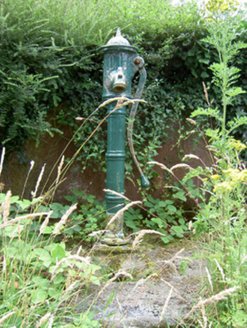
water pump1699 yd

Explorer Tom Water pump in Lisnabo is hiding a ridiculous smuggling story where people used to hide contraband inside the curved…
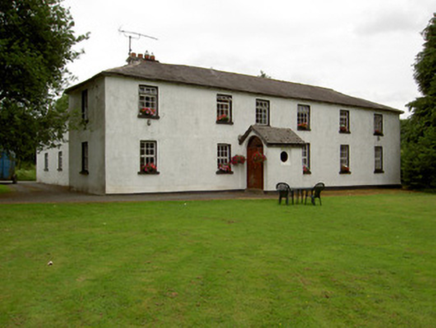
Lisnabo SchoolSchool · 1.0 mi

Explorer Tom Lisnabo School in Lisnabo was too big for a school, so it must have been a house with a secret curriculum. Saint…
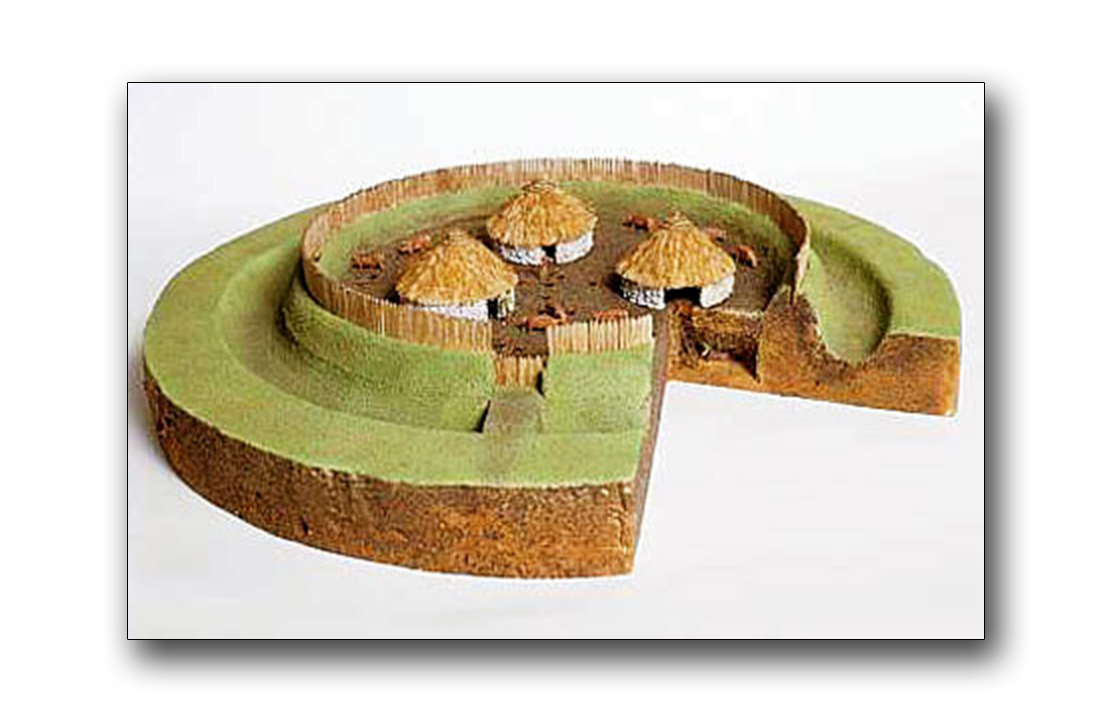
Fairy fort / earthen ringfort in LismoreFairy fort / earthen ringfort · 1.1 mi

Explorer Tom Fairy fort / earthen ringfort in Lismore thinks the rabbits are plotting to take over the whole ridge. They’re just…

Fairy fort / earthen ringfort in Cartrons (longford By.)Fairy fort / earthen ringfort · 1.1 mi

Explorer Tom Fairy fort / earthen ringfort in Cartrons was saved by a hero nobody remembers. Now it’s just levelled out, hiding on…
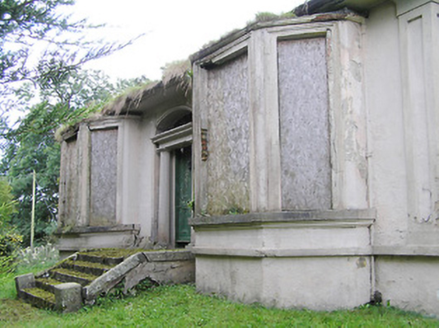
Mullagh HouseHouse · 1.2 mi

Explorer Tom Mullagh House saw a dramatic argument about whose side of the house was better. It has contrasting elevations because…
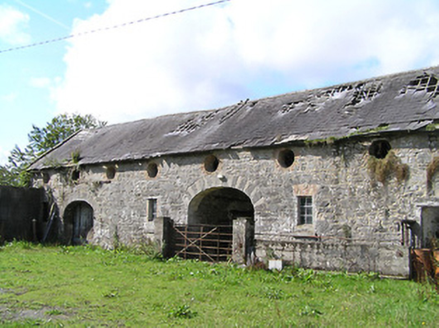
Aghareagh HouseFarmyard complex · 1.2 mi

Explorer Tom Aghareagh House looks like a puzzle box designed by a grumpy mother-in-law. Those round holes upstairs are just there…
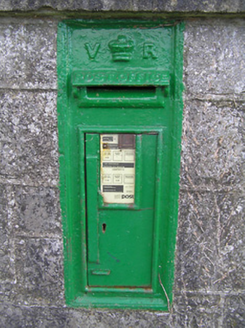
post box1.3 mi

Explorer Tom Post box in Kilmore Lower’s first owner planned to escape via a secret tunnel under the pavement. It still wears Queen…
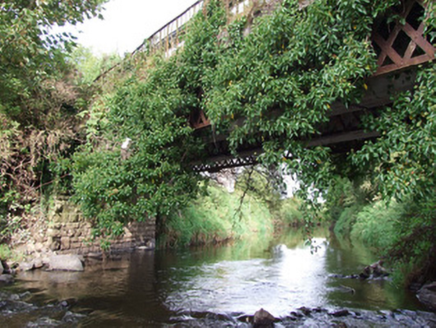
bridge1.3 mi

Explorer Tom Bridge in Cartrons has a retirement plan involving becoming a very expensive garden feature for some rich person who…

Fairy fort / earthen ringfort in CartronlebaghFairy fort / earthen ringfort · 1.3 mi

Explorer Tom Fairy fort / earthen ringfort in Cartronlebagh has been feuding with the rain for centuries. It’s so waterlogged now…

CastleCastle, unclassified · 1.4 mi

Explorer Tom Castle in Moneylagan would win the county fair by doing a dramatic tumble. It’s a bit of a show-off, even if nobody…

More historic places in County Longford · All of County Longford

Add to this placeAdd a picture Add a detailed tip Add a story

Explore the map1,095,414 places to discover

Next place · or swipeBrianstown House