What is recorded here
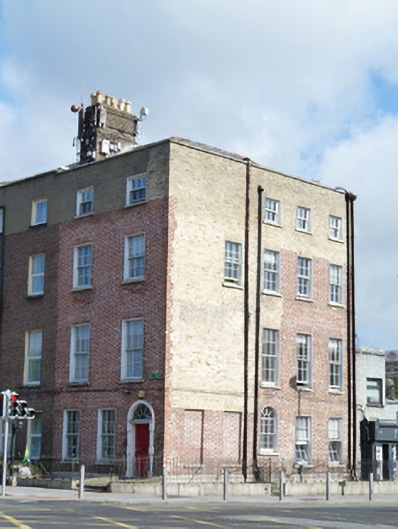
Corner-sited end-of-terrace two-bay four-storey house over basement, built c.1800, having five-bay elevation to east. Now converted into apartments and offices. L-plan pitched artificial slate roof, hipped to east end and hipped to rear, hidden behind brick parapet with granite coping. Brick chimneystack with yellow clay pots to west end, with replacement uPVC rainwater goods to east elevation. Brown brick laid in Flemish bond to front elevation with granite plinth over rendered walls to basement, refaced to upper section. Yellow brick laid in English garden wall bond, red brick laid in Flemish bond to east elevation. Square-headed openings with brick voussoirs, rendered reveals, granite sills and six-over-six pane timber sliding sash windows to ground, first and second floors and three-over-three pane windows to top floor. Round-headed stair window with brick voussoirs, rendered reveals, granite sill and timber sliding sash window. Round-headed opening with pannelled timber door, stone block-and-start surround, fluted frieze and petal fanlight. Cement rendered granite platform. Wrought-iron railings on moulded granite plinth to basement area.
Synnott Place was part of the residential development undertaken by Gardiner family in the northeastern sector of the city. It retains a terrace of fine three-storey and four-storey houses over basements, forming a pocket of grand architectural character at the edge of the city. It was part of a scheme of streets leading to a proposed circus on the site of the present Mater Hospital. The street was laid out in the 1790s as the westward continuation of Gardiner Street and the houses are typically Georgian in character, although some later infill is evident. The façade of No. 1 is classically restrained with ornamentation limited to a fine block-and-start doorcase with petal fanlight. The three northerly bays to Dorset Street appear to have been a stand alone house, later amalgamated into No.1.
This does not grant access. Most recorded buildings are privately owned; view them only from public ground unless the owner allows entry.
Places near here
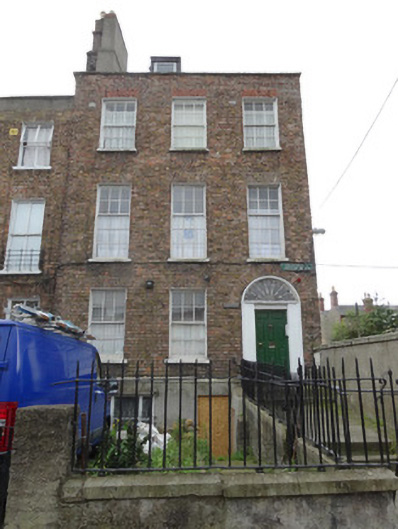 Seán O’Casey Househouse · 96 yd
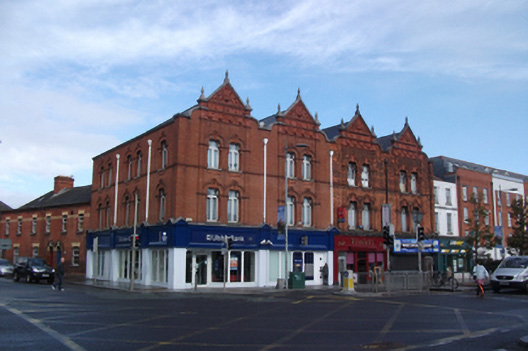 Ulster Bank/Violets/Home Appliance Centreshop/retail outlet · 99 yd
 Memorial to Peadar Kearney 1883-1942Memorial · 204 yd
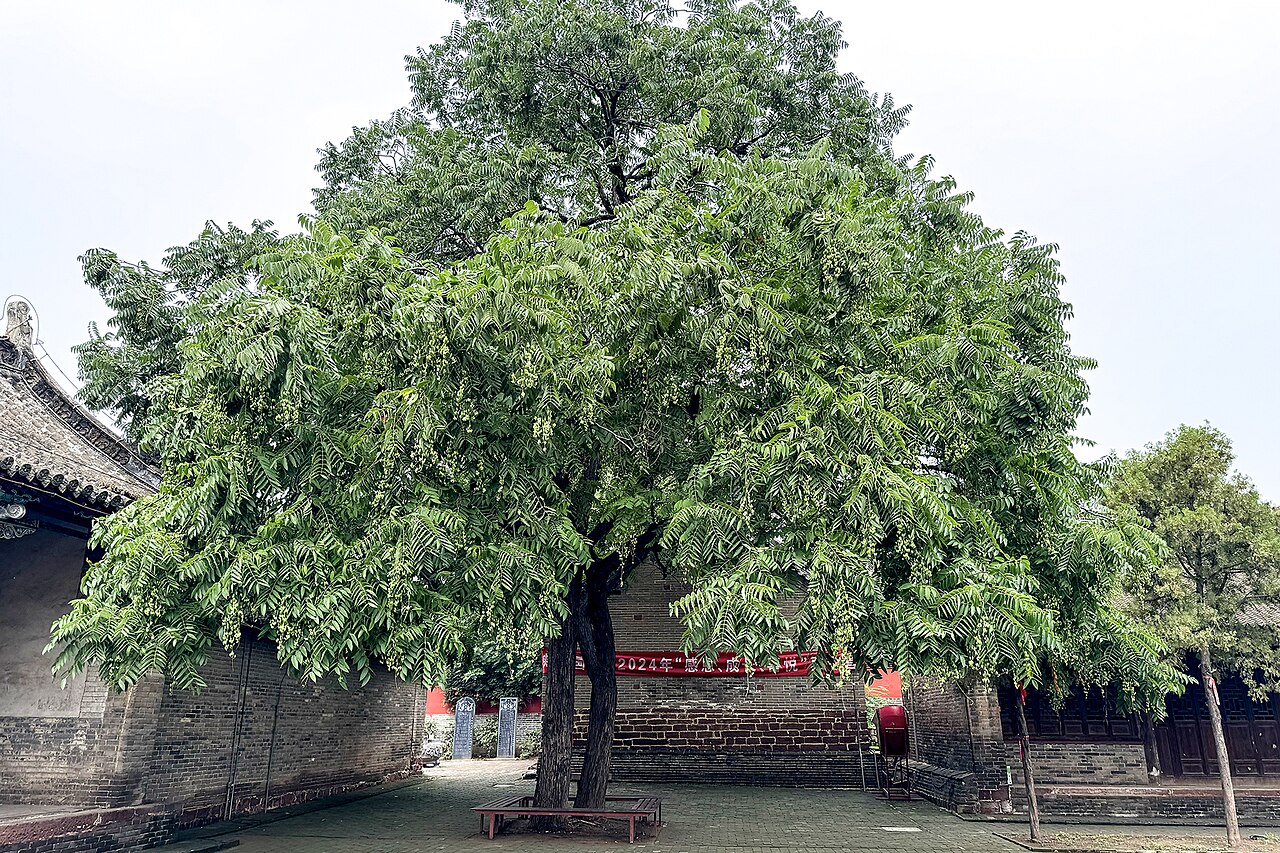 Chinese ToonChinese Toon · 505 yd
 Burial ground in Unknown TownlandBurial ground · 584 yd
 Iris MurdochMemorial · 613 yd
 Hungry TreeHeritage attraction · 1171 yd
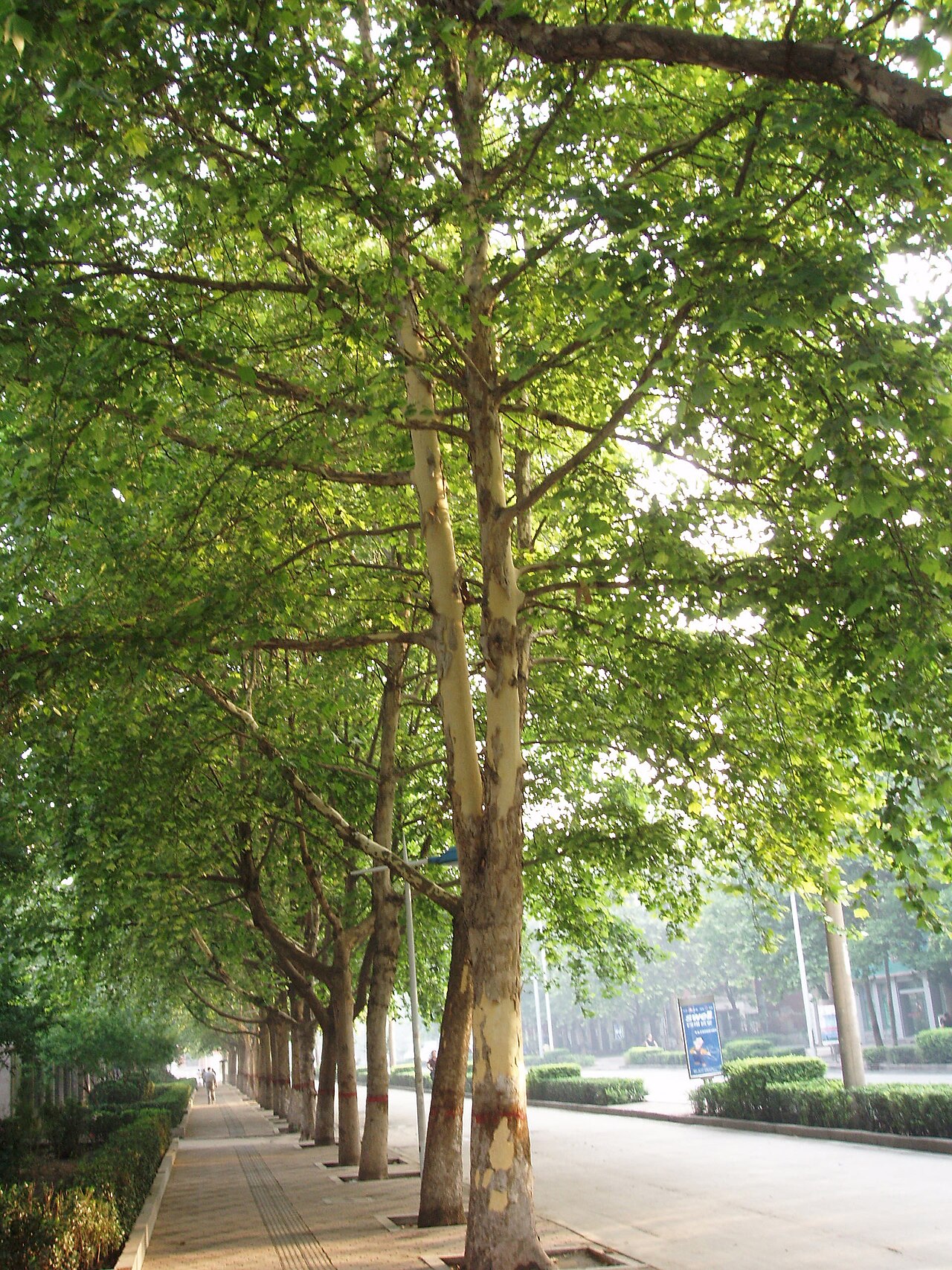 London PlaneLondon Plane · 1176 yd
 Burial in Unknown TownlandBurial · 1244 yd
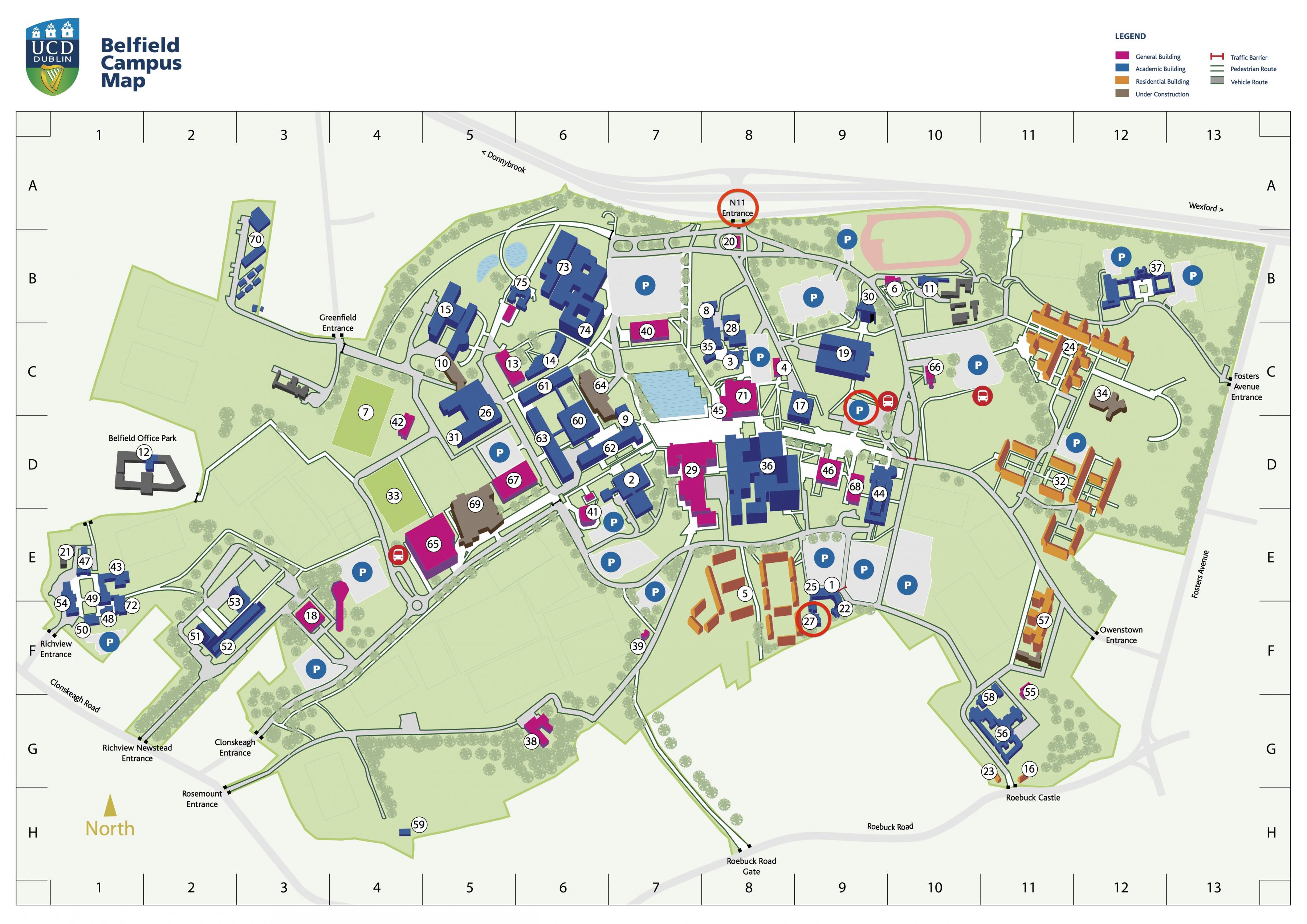 Campus Information PointVisitor information · 1440 yd
 Burning of the Custom Housearmed conflict · 1458 yd
 St Josephs Asylum for the BlindCastle, unclassified · 1645 yd
Other information
Photo: National Inventory of Architectural Heritage · Website use allowed for educational or private purposes with source credit