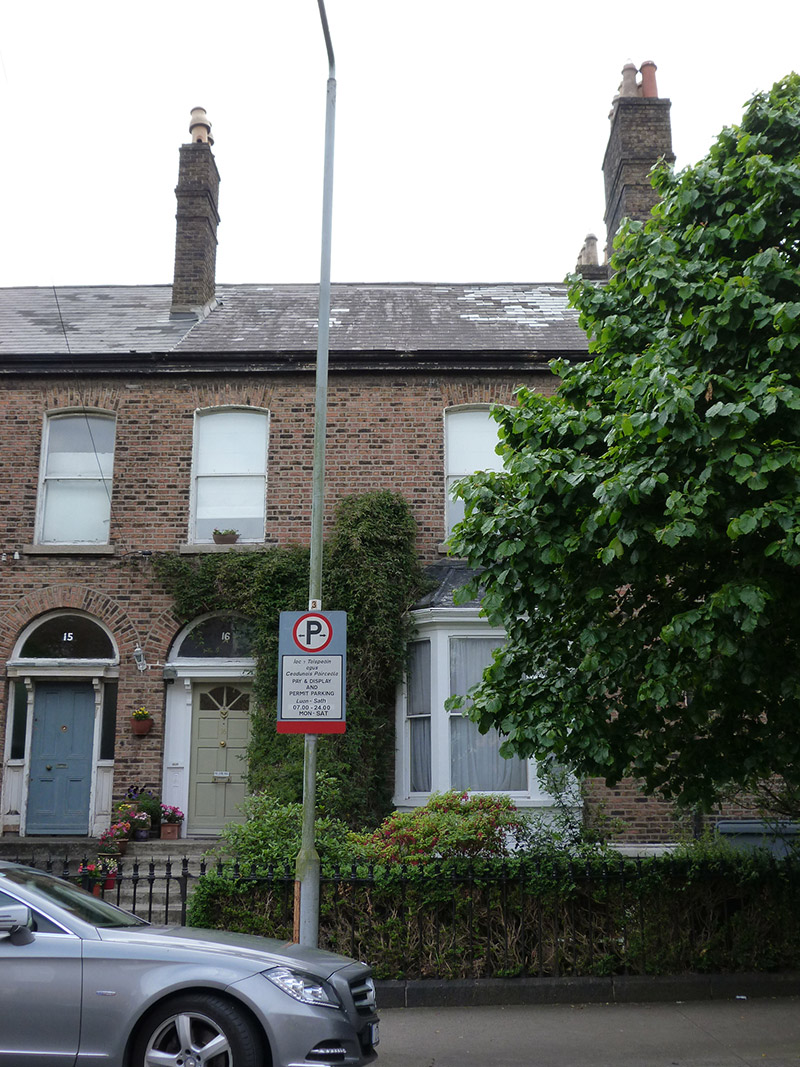
What is recorded here
Terraced two-bay two-storey former house over raised basement and with attic accommodation, built c. 1885, having return to rear (east) elevation and canted-bay window to front (west) elevation. Part of terrace of nine. Now in use as apartments. Pitched slate roof, with dormer window to rear, brick chimneystacks having clay pots, and cast-iron rainwater goods. Brown brick, laid in Flemish bond, to walls, with masonry plinth course over lined-and-ruled rendered wall to basement. Square- and segmental-headed window openings having granite sills and rendered reveals. canted-bay window with hipped felted roof, carved timber cornice, sill and timber panelled apron. Mixed timber sliding sash and replacement windows. Round-headed door opening with carved timber doorcase comprising pilasters, brackets and stepped cornice. Plain fanlight and replacement door. Shared rendered steps having cast-iron boot-scrape to platform, decorative cast-iron handrail and post. Cast-iron gate with decorative collars, matching railings on masonry plinth wall to front.
This building retains much of its original form and many salient features, and is characteristic of suburban residential development at the close of the nineteenth century. Skilled artisanship is evident in the surviving cast-ironwork. The canted-bay window facilitates increased light and space in main reception room. Stamer Street was named for William Stamer, Lord Mayor of Dublin from 1809-1819. The closure of Portobello Gardens in 1865 and the later infilling of the Portobello Basin freed up residential development land in the area. The east side of the street comprises a relatively unified terrace with similar parapet heights and fenestration patterns.
This does not grant access. Most recorded buildings are privately owned; view them only from public ground unless the owner allows entry.
Places near here
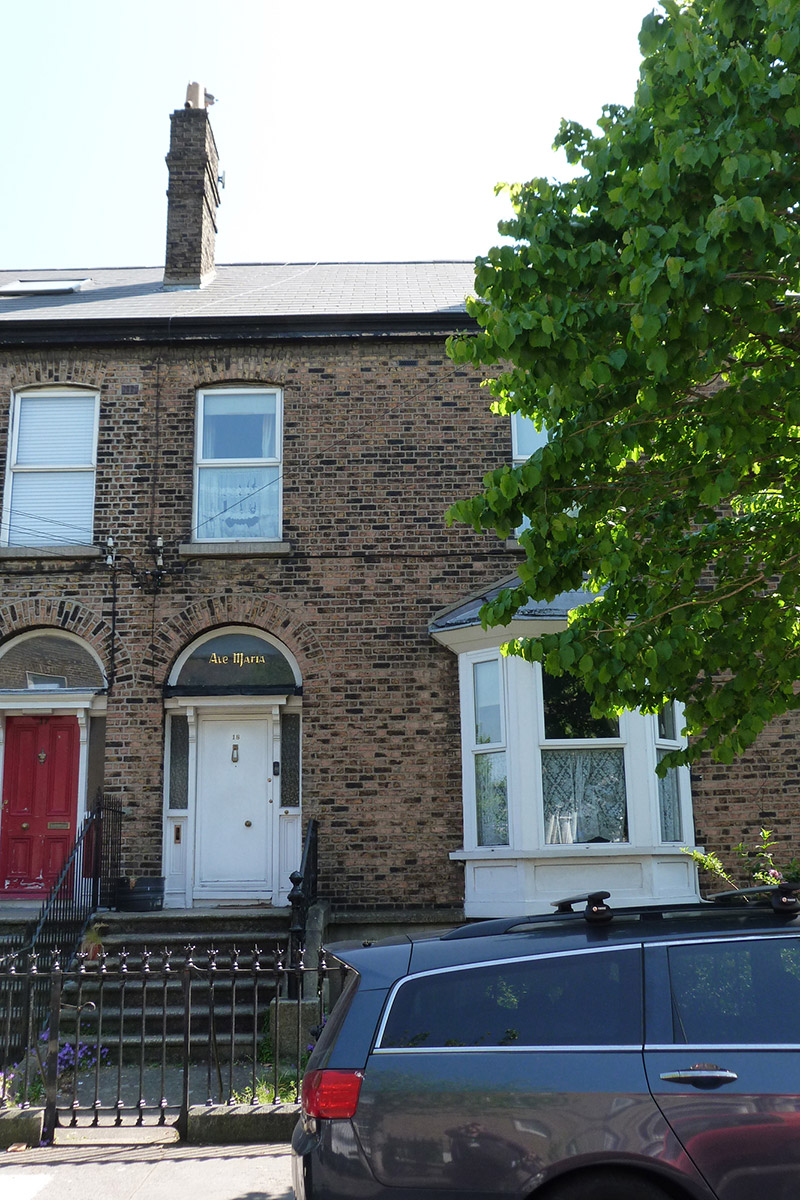 Ave Mariahouse · 16 yd
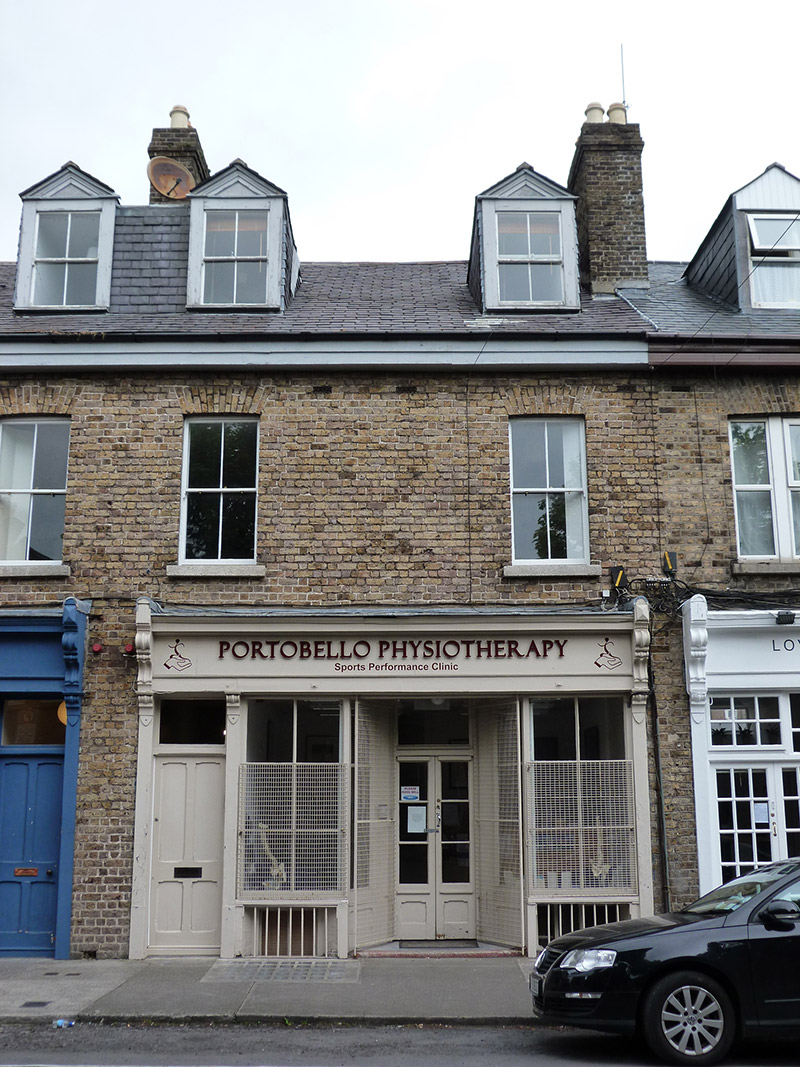 apartment/flat (purpose-built), shop/retail outletapartment/flat (purpose-built), shop/retail outlet · 51 yd
 Irish Jewish MuseumMuseum · 155 yd
 International Tailors, Pressers and Machinists UnionMemorial · 314 yd
 The Copper House GalleryGallery · 367 yd
 Robert EmmetMemorial · 685 yd
 Battle of RathminesMajor battlefield · 1188 yd
 Cross in Unknown TownlandCross · 1393 yd
 IndicatedCathedral · 1449 yd
 Medieval DublinVisitor information · 1488 yd
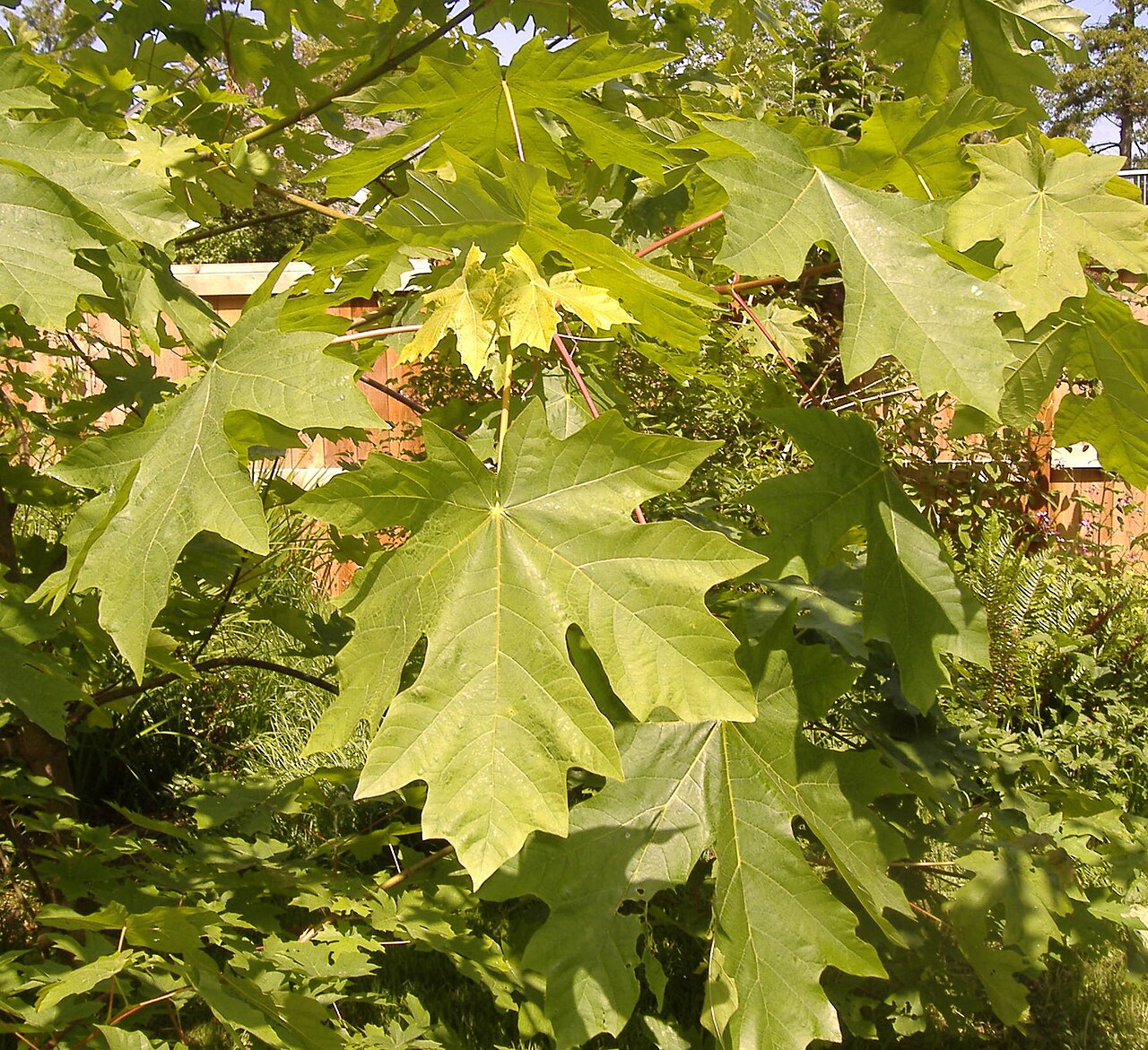 Bigleaf MapleBigleaf Maple · 1723 yd
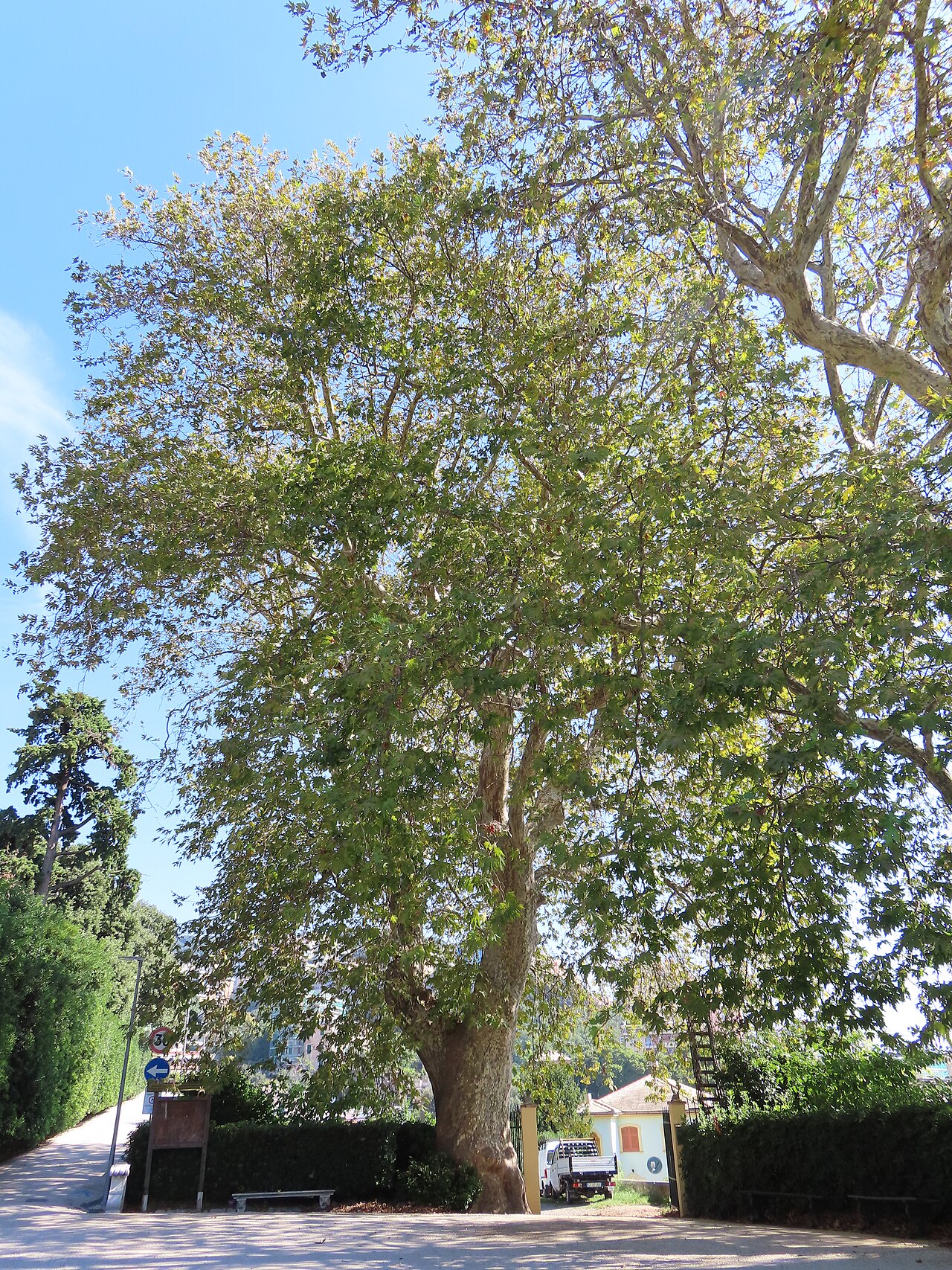 Oriental planeOriental plane · 1.0 mi
Other information
Photo: National Inventory of Architectural Heritage · Website use allowed for educational or private purposes with source credit