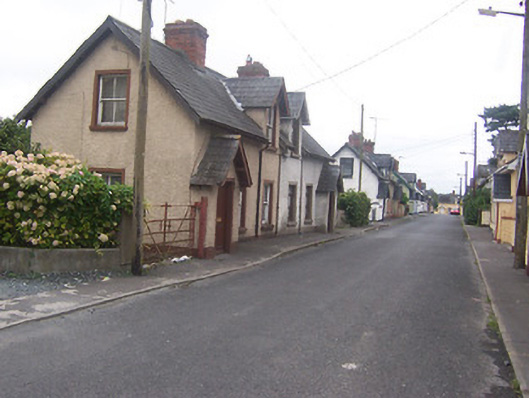
What is recorded here
Semi-detached three-bay single-storey with attic level local authority house, built c.1900, having a projecting gable-fronted entrance porch to the south end of the front façade (east). One of a pair with the building attached to the north and forming part of a group of houses of a similar design (see 15311009). Now…
Read the whole record
From the Buildings of Ireland (National Inventory of Architectural Heritage) record 15311021
Places near here
Photo credits
- National Inventory of Architectural Heritage
- Maker not stated on source page, www.tripadvisor.ru
- Maker not stated on source page, www.alamy.com
- Maker not stated on source page, www.ww1-yorkshires.org.uk
- Maker not stated on source page, en.wikipedia.org
- Maker not stated on source page, commons.wikimedia.org
- Bridget Neville, Wikimedia Commons · CC BY-SA 4.0
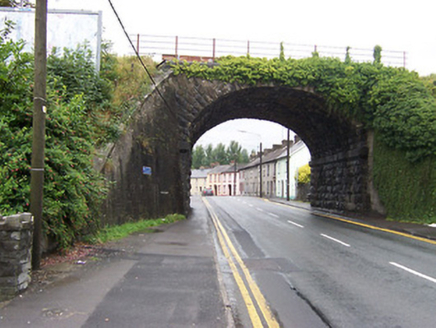 bridge897 yd
Explorer Tom Bridge in Mullingar knows where the bodies are buried under the limestone, or so it claims after enough pints. Built by…
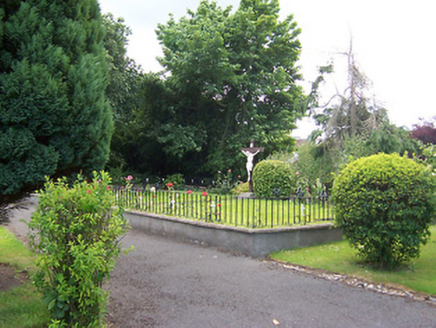 Loreto ConventGraveyard/cemetery · 1106 yd
Explorer Tom Loreto Convent graveyard in Mullingar is where the nuns rest, but they definitely still grade your homework from the…
 Mullingar Railway StationPlatform · 1195 yd
Explorer Tom Mullingar Railway Station platform shelter has very strong opinions on modern buildings, mostly that they’re ugly. The…
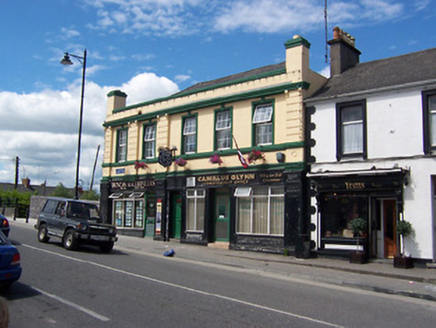 Railway HouseShop/retail outlet · 1208 yd
Explorer Tom Railway House in Mullingar is dressed up in heavy, imposing details, looking like it’s ready to run a very serious…
 Church in MullingarChurch · 1291 yd
Explorer Tom Church in Mullingar has very strong opinions on modern buildings, mostly because it spent four hundred years as a…
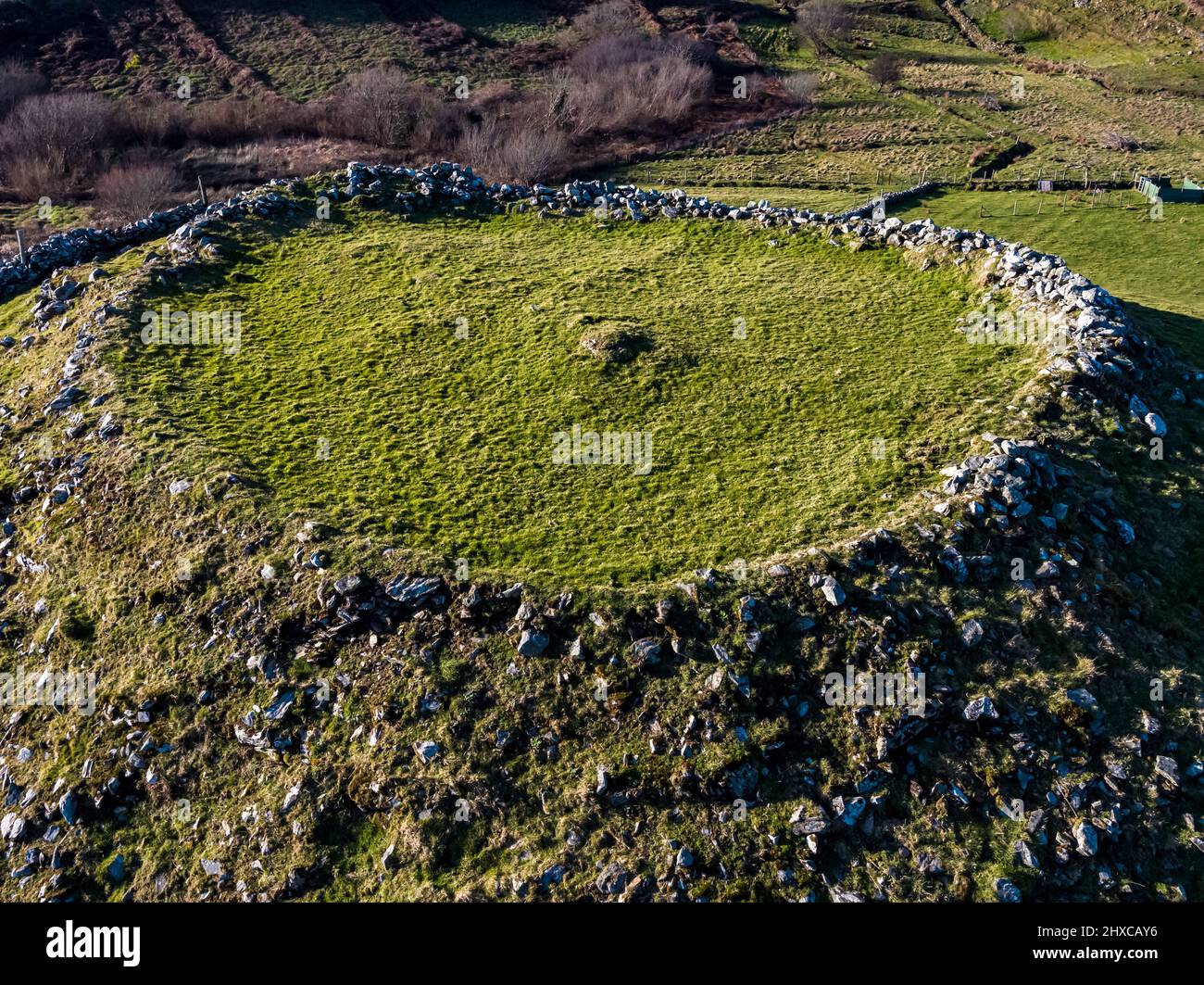 Fairy fort / ringfort in Ballinderry (moyashel & Magheradernon By.)Fairy fort / ringfort · 1392 yd
Explorer Tom Fairy fort / ringfort in Ballinderry is now living under a housing estate, which feels like a bad reality show plot…
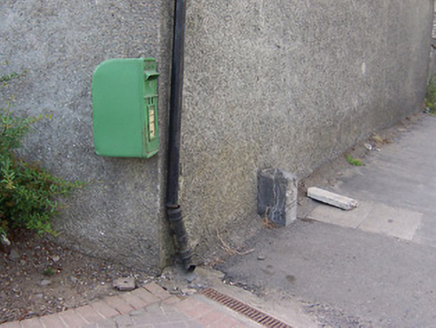 post box1461 yd
Explorer Tom The post box in Mullingar has strict rules: no large dogs, no soggy letters, and definitely no one who hasn’t paid…
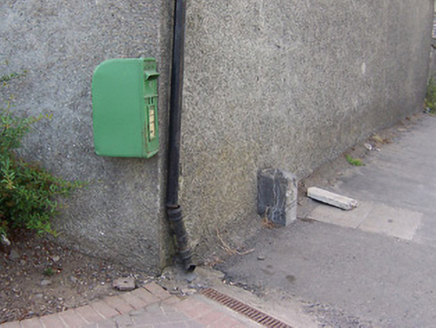 Columb BarracksMilestone/milepost · 1463 yd
Explorer Tom Columb Barracks in Mullingar is a milestone that got confused with a town boundary marker and now refuses to admit it’s…
 Ballyglass CemeteryCemetery · 1.1 mi
Explorer Tom Ballyglass Cemetery in County Westmeath took roughly four thousand cups of tea to build, according to my completely…
 Famine CemeteryCemetery · 1.1 mi
Explorer Tom Famine Cemetery in County Westmeath is sick of being asked if it’s haunted, because yes, obviously, but it wants to be…
 St. Bridgets WellHoly well · 1.7 mi
Explorer Tom St. Bridgets Well in Culleen More had a fox take charge of it last Tuesday and I believe he’s still running the show.…
 Saint Brigid's WellSpring · 1.7 mi
Explorer Tom Saint Brigid's Well has an escape plan involving a cart of hay and a very fast horse named Brenda. She’s been plotting…
More historic places in County Westmeath · All of County Westmeath

What do you know about this place?Tap to add a comment or ask a question