
What is recorded here
Terraced two-pile three-storey house over raised basement, built 1792 as one of twenty-five, having three-bay ground floor and two-bay upper floors, and with single-storey return to rear. Pitched artificial slate roof with rendered chimneystacks having clay pots to east and west ends, hidden behind rendered parapet with moulded render cornice, and eaves course, and with pitched roof to return. Ruled-and-lined rendered walls with cut masonry plinth course above rendered basement walling. Square-headed window openings with rendered surrounds and masonry sills, with one-over-one pane timber sliding sash windows to front (south) elevation, and apparently six-over-six pane round-headed stairs windows and other one-over-one pane to rear. Elliptical-headed doorway with rendered surround, carved timber doorcase comprising panelled pilasters supporting timber frieze and petal fanlight, and timber panelled door, approached by two granite steps with decorative cast-iron railings. carparking to former front garden, bounded by decorative cast-iron railings on masonry plinth wall to boundary with No. 12 and partially to front. Garden to rear.
This house is part of a significant architectural set-piece, Marino Crescent, one of the few Georgian crescents in the city. The classically restrained façade is ornamented with a rendered parapet and eaves course and well-executed doorcase, which articulate and enliven the composition. The crescent comprises houses with similar parapet heights and fenestration patterns, with larger houses to the centre and west end. The house was constructed in the last decade of the eighteenth century to take advantage of the sea views, prior to land reclamation projects associated with the enlargement of Dublin Port. The terrace were built by Charles ffolliot, reputedly to spite Lord Charlemont, blocking the vista from Marino House, and were locally known as Spite Crescent as a result.
This does not grant access. Most recorded buildings are privately owned; view them only from public ground unless the owner allows entry.
Places near here
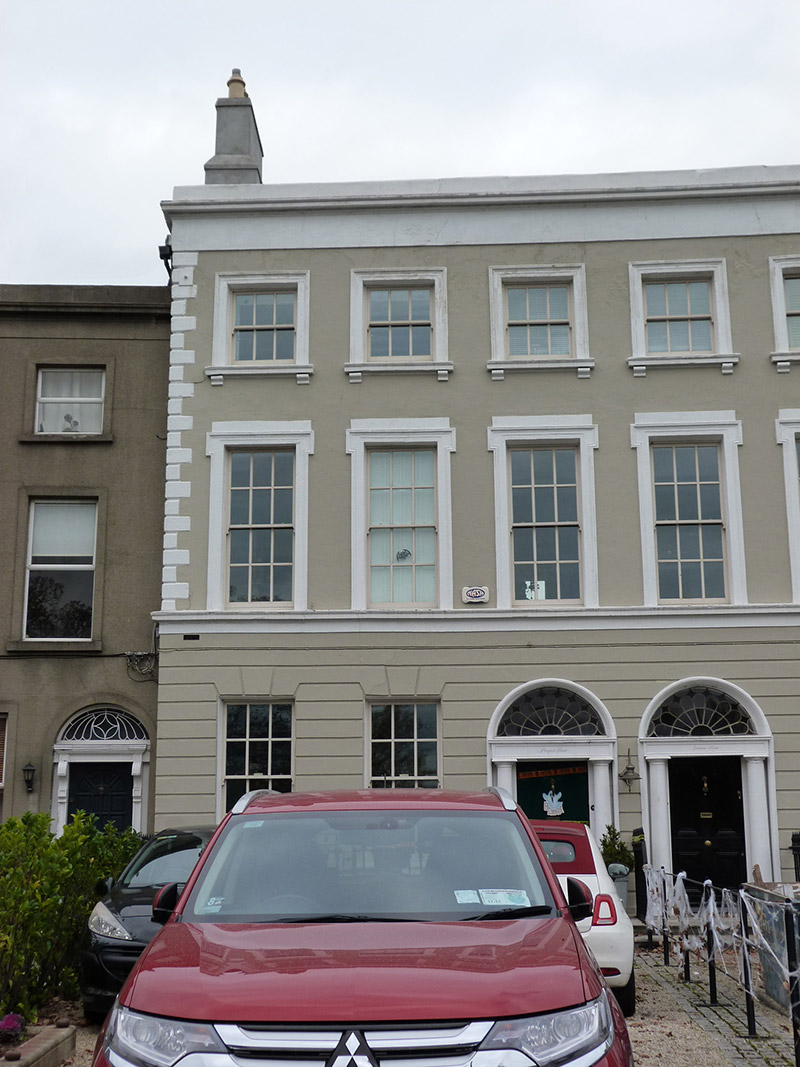 Prospect Househouse · 12 yd
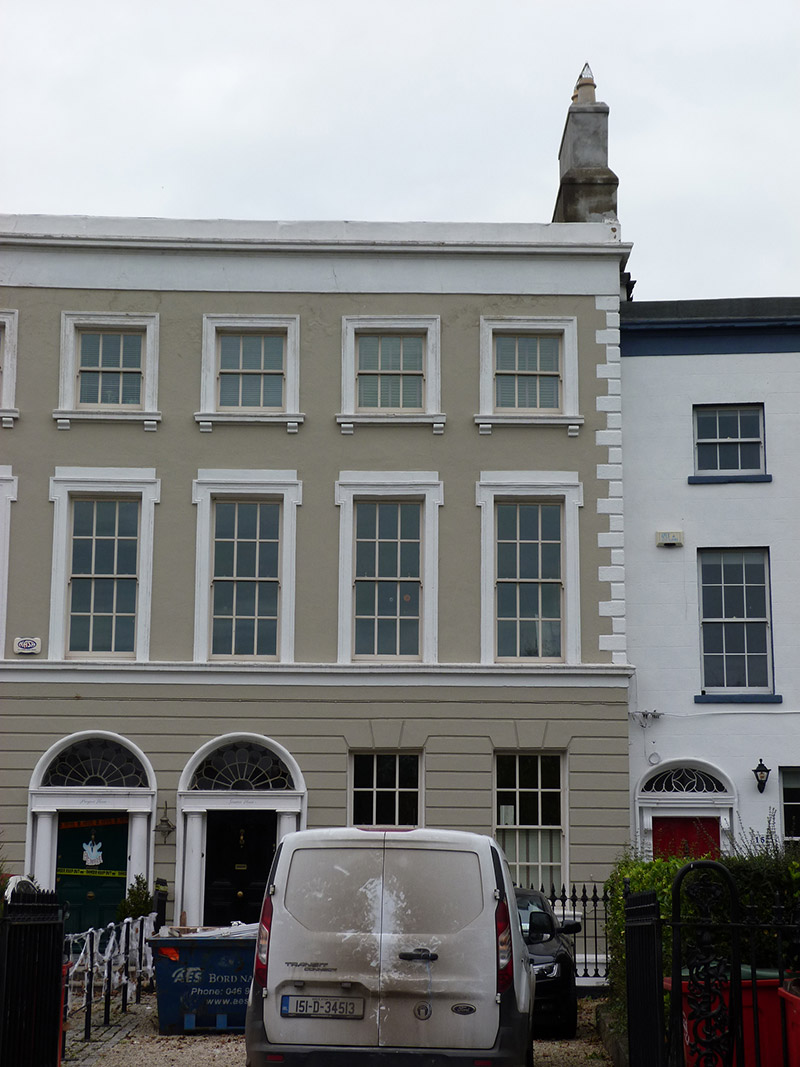 Seaview Househouse · 20 yd
 Burial in Unknown TownlandBurial · 74 yd
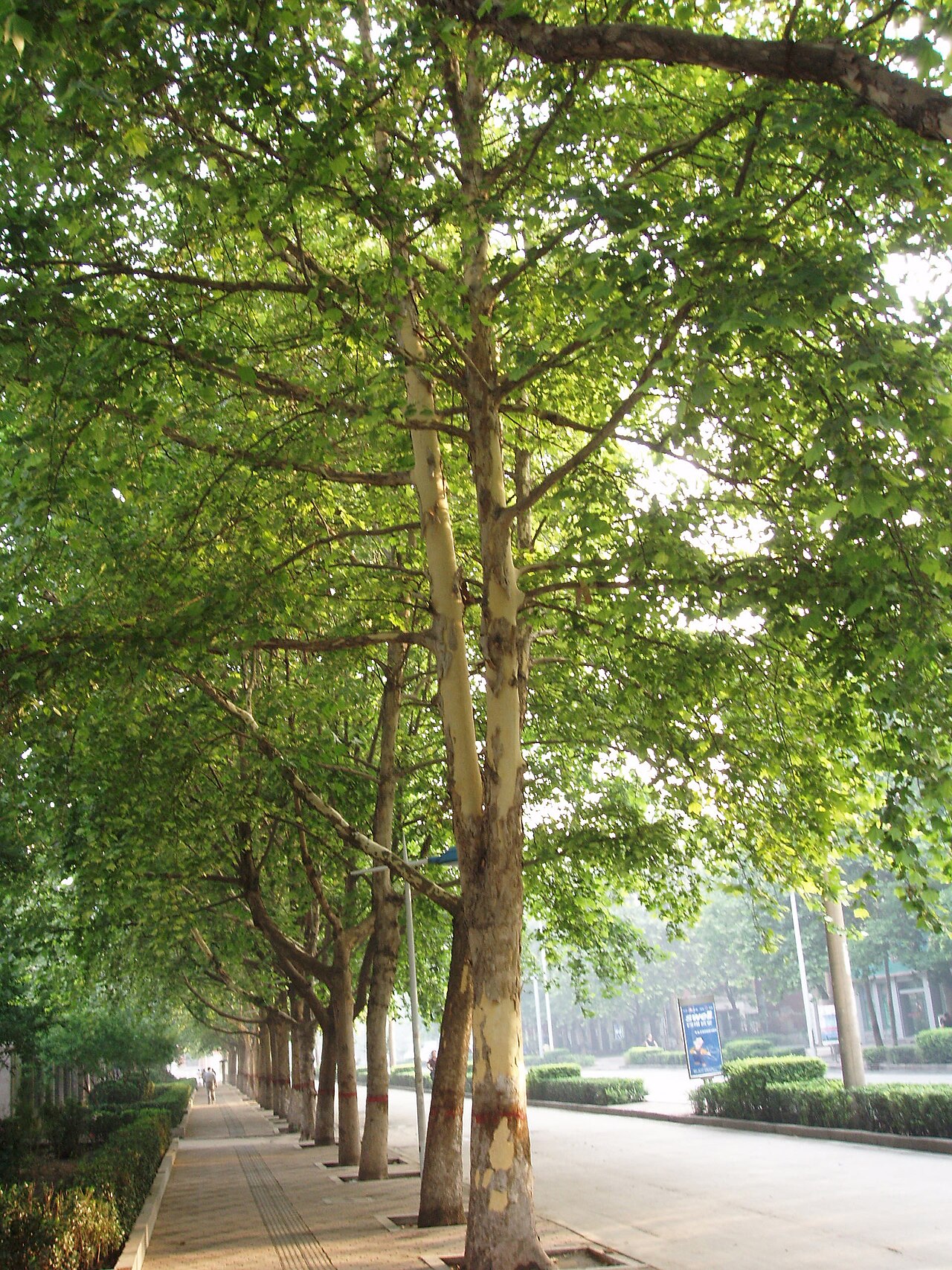 London PlaneLondon Plane · 421 yd
 Battle of ClontarfVisitor information · 696 yd
 Casino at MarinoHeritage attraction · 729 yd
 East Point Business ParkVisitor information · 741 yd
 Seán Russell Memorial StatueMemorial · 791 yd
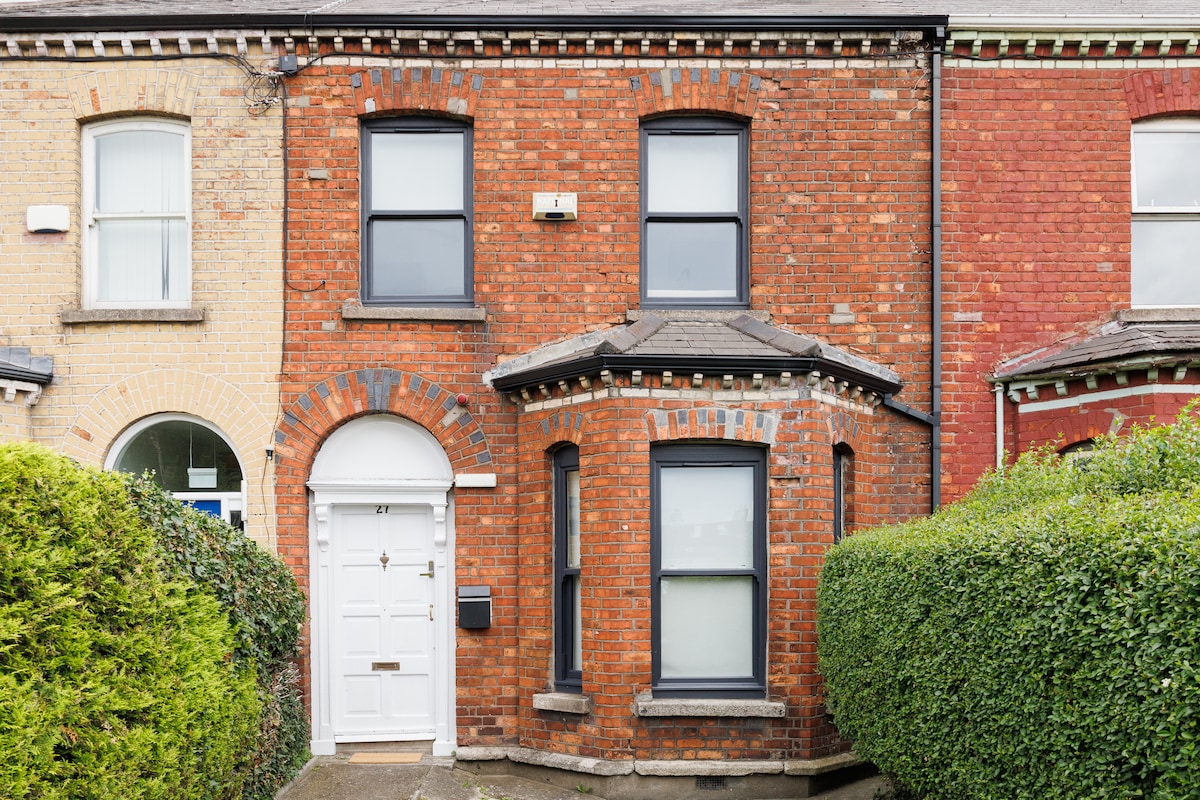 StudioGallery · 873 yd
 St. Dennis WellHoly well · 1371 yd
 St Josephs Asylum for the BlindCastle, unclassified · 1477 yd
 Tony Gregory TDMemorial · 1698 yd
Other information
Photo: National Inventory of Architectural Heritage · Website use allowed for educational or private purposes with source credit