
Places near here
Photo credits
- National Inventory of Architectural Heritage
- David Dixon, Geograph · CC BY-SA 2.0
- Kenneth Allen, Geograph · CC BY-SA 2.0
- Andreas F. Borchert, Wikimedia Commons · CC BY-SA 4.0
- No machine-readable author provided. Paddyhickey~commonswiki assumed (based on copyright claims)., Wikimedia Commons · Public domain
- Kenneth Allen, Wikimedia Commons · CC BY-SA 2.0
- Ronnie Nijboer, Wikimedia Commons · CC0
- Willie Duffin, Wikimedia Commons · CC BY-SA 2.0
 farm house, house1371 yd
Explorer Tom Farm house in Ballymacarry Lower is a well-proportioned vernacular take on the classic three-bay two-storey design. It’s got that natural slate roof and timber sash windows that keep it looking sharp and maintained. Pop over and appreciate this solid piece of Irish countryside architecture!
 milestone/milepost1.0 mi
Explorer Tom Milestone or milepost in Ballymacarry Lower claims you are already at Buncrana because it reads 'BUNCRANA 0 MILES'. I reckon that is a bit cheeky, like telling someone they have arrived before they even start walking. It must be the world’s most confident little sign.
 Inishowen Gateway HotelHotel · 1.0 mi
Explorer Tom Inishowen Gateway Hotel sits in Buncrana, right by the river, acting as a gateway to nowhere specific. It’s a place where confusion is part of the package and the view is all you get. Hang around long enough and you'll hear a story from a local.
 LisfannonOfficial bathing water · 1.2 mi
Explorer Tom Lisfannon is the sort of beach that changes its stage set with the tide. The Swilly estuary lays out shallow water, sand and mud flats in turn. A 2019 state report notes otters among the wildlife here. I would watch the stage changes from dry ground and let the tide run the show.
 UbiquitousRestaurant · 1.7 mi
Explorer Tom Ubiquitous in Buncrana claims to be everywhere at once, which is either impressive or terrifyingly efficient. I’d check if you’re still yourself when you leave that place. Bring a coin for luck and keep it in your pocket.
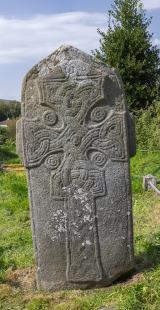 Cross in Glebe (fahan Ed)Cross · 2.0 mi
Explorer Tom Cross in Glebe is a slab that’s been arguing with scholars for centuries. It has two figures standing on either side of the cross, and their clothing is covered in inscriptions nobody can properly decipher yet. Add the Greek doxology carved down the edge, and it feels like a puzzle box from another world.
 O'Doherty's KeepCastle · 2.0 mi
Explorer Tom O'Doherty's Keep is recorded as a castle in County Donegal, and its history with the Ó Dochartaigh clan makes it a significant part of Inishowen’s past. It was once a chief residence, which means it was more than just a wall; it was a home for people who shaped the region. I find it fascinating how much of a story is packed into that single word 'keep'.
 Neds Point FortFort · 2.1 mi
Explorer Tom Neds Point Fort is recorded as a fort in County Donegal, and its name suggests a specific point of land that was likely important for defense or trade. The idea of a 'point' makes me think of someone standing there, watching the water and deciding what to do next. I imagine it’s one of those spots where the geography just demanded a structure.
 Ned's Point Standing StonesPublicly named standing stone · 2.2 mi
Explorer Tom Ned's Point Standing Stones are named after someone called Ned, which instantly makes me picture him sitting on one while checking his fishing line. It’s the sort of name that begs for a story about who was actually there and what they were up to. I’d love to know if Ned ever complained about the rocks being cold in December.
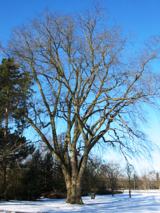 Wych Elm2.7 mi
Explorer Tom Wych Elm in County Donegal is basically a giant green umbrella that refuses to fold up for anyone. It’s providing shade, shelter, and a sense of purpose to whoever planted it ages ago. Stand where the owner stood and practise looking smug, like you know something about trees.
 RathmullanOfficial bathing water · 2.8 mi
Explorer Tom Rathmullan Beach starts at the pier and keeps strolling past Kinnegar toward the Glebe outcrop. If sand could wear walking boots, this strip would be lacing them up. A 2019 Lough Swilly report also notes otters among the wildlife; I would leave any real otter sighting to patience and luck.
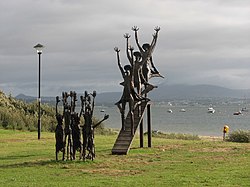 Flight of the EarlsSculpture · 2.9 mi
Explorer Tom Flight of the Earls sculpture in County Donegal is mid-air and absolutely refusing to land on my schedule. I’m pretty sure they’re plotting something grand from up there. Bring your worst joke, because this place has heard much worse.
More historic places in County Donegal · All of County Donegal

What do you know about this place?Tap to add a comment or ask a question