
What is recorded here
Detached three-bay single-storey vernacular house, built c. 1860, having single-bay single-storey lean-to addition with to the south-east gable end, and with single-storey addition to the rear (north-east) having mono-pitched roof over. Steeply pitched corrugated roof with steeped roughcast rendered chimneystacks to the gable ends. Slightly battered roughcast rendered walls with raised rendered block-and-start quoins to the corners of the front elevation. Square-headed window openings with smooth rendered surrounds and reveals, stone sills, and two-over-two pane timber sliding sash windows. Central square-headed doorway to the main elevation (south-west) having smooth rendered surround and replacement glazed timber door. Set slightly back from road in own grounds to the north-east of the centre of Letterkenny with small enclosed garden to the front and garden at the rear. House aligned at a right-angle to the road alignment.
This appealing and relatively intact example of a vernacular house retains its early form and character, and is an appealing feature to the east of the centre of Letterkenny. It original dates to the mid-to-late nineteenth century, and is one of the few vernacular buildings surviving in the area. Its integrity is enhanced by the retention of much of its salient fabric including timber sliding sash windows. Modest in scale, it exhibits the simple and functional form of vernacular building in Ireland. The steeply pitched corrugated roof indicates that this building was formerly thatched. It is arranged at a right angle to the road-alignment, a feature of many vernacular dwellings. The render quoins to the corners and the surrounds to the openings add a muted formal character that is unusual to find with vernacular dwellings. The form of this building, having chimneystacks to the gable ends and a central doorway, suggests that this building is of the ‘direct entry’ type that is characteristic of the vernacular tradition in north-west Ireland. This house represents a fine surviving example of a once ubiquitous building type in the rural Irish countryside, and is a valuable addition to the vernacular heritage of County Donegal.
This does not grant access. Most recorded buildings are privately owned; view them only from public ground unless the owner allows entry.
Places near here
 Church (in Ruins)Church · 515 yd
 Kiltoy Church of Ireland Churchchurch/chapel · 528 yd
 Castlebane FortFairy fort / stone ringfort · 1102 yd
 White Fort SiteFairy fort / ringfort · 1695 yd
 PoleStar MonumentHeritage attraction · 1.4 mi
 Dry Arch MonumentHeritage attraction · 1.5 mi
 Bawn in LetterkennyBawn · 2.1 mi
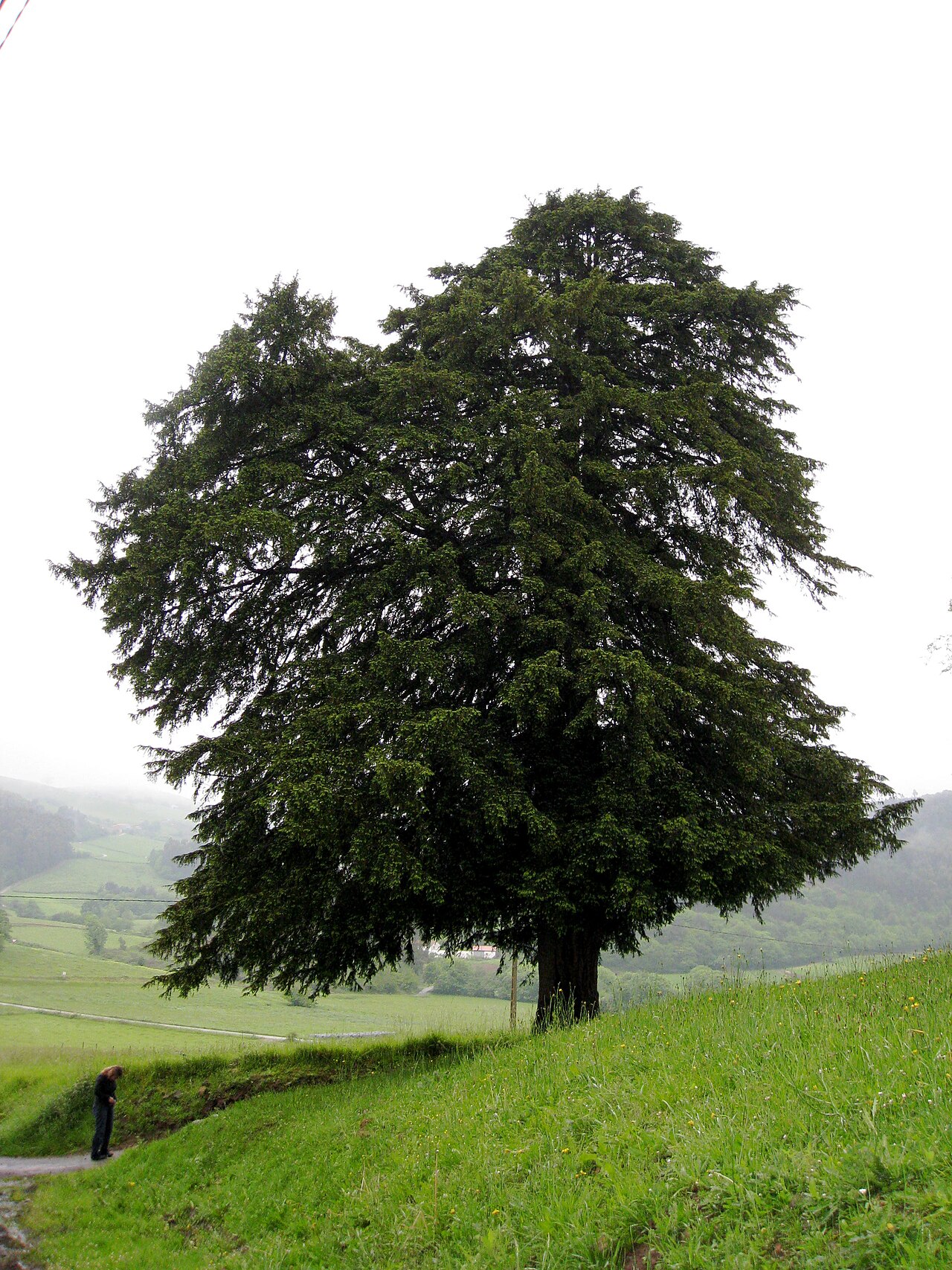 European YewEuropean Yew · 2.3 mi
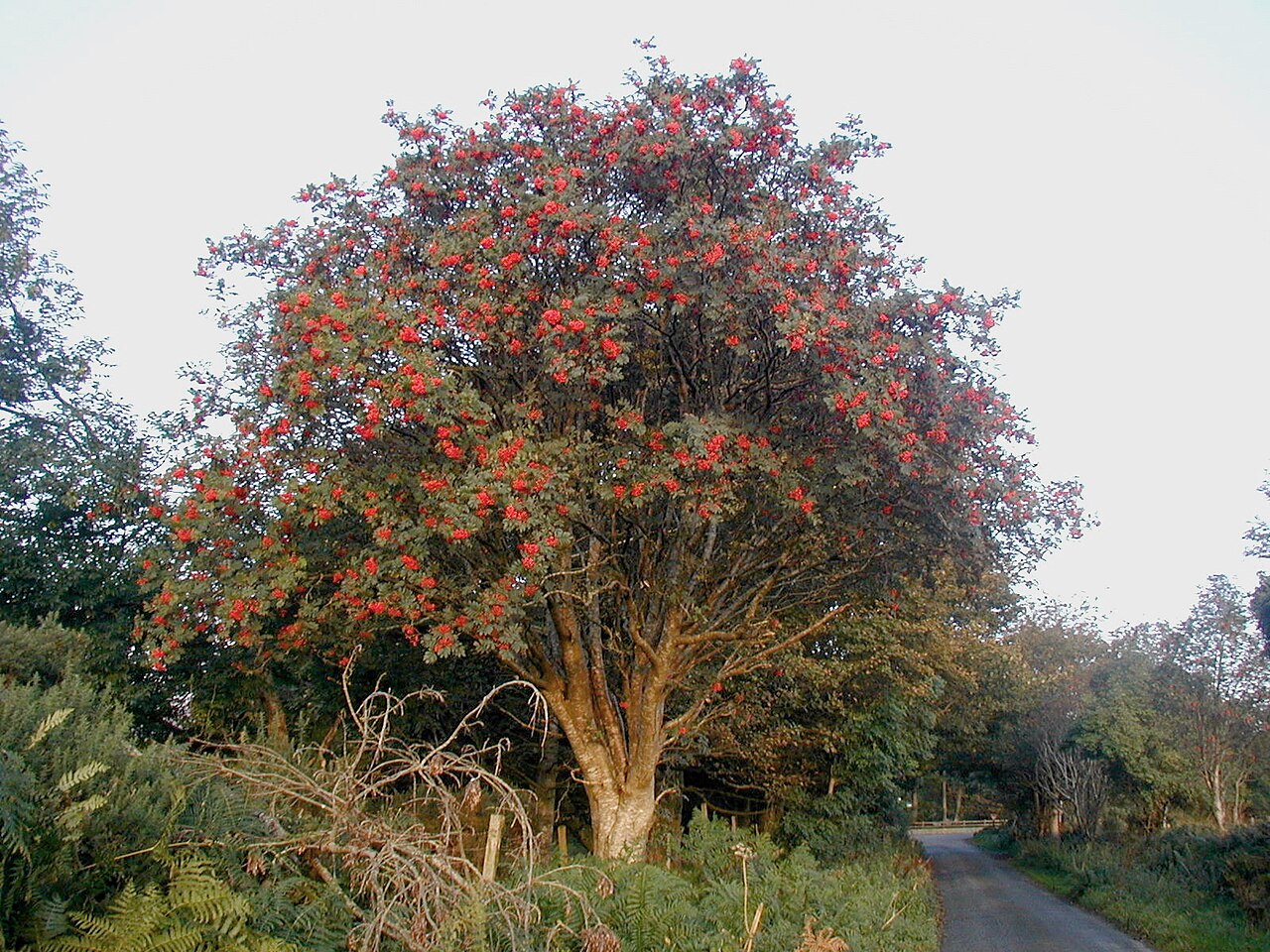 RowanRowan · 2.4 mi
 CastleCastle, unclassified · 3.5 mi
 Battle of Scarrifholisbattle · 4.8 mi
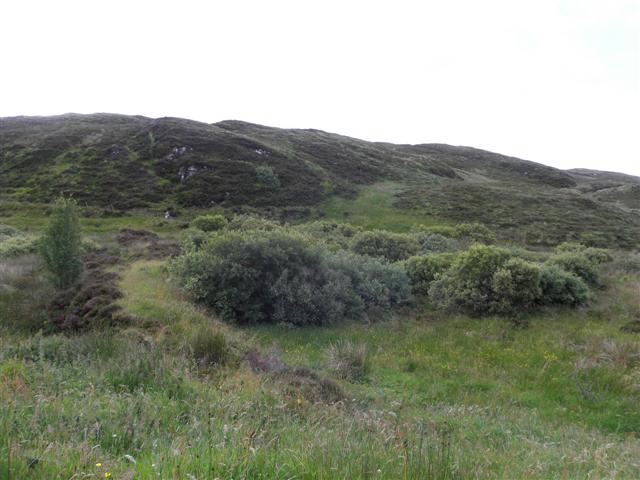 Gregory HillMountain / peak · 5.1 mi
Other information
Photo: National Inventory of Architectural Heritage · Website use allowed for educational or private purposes with source credit