
What is recorded here
Aghanunshin Old Church: The surviving church ruins were probably built post 1622 (see Royal Commission, 218). The church continued in use until the mid-nineteenth century when the chapel of ease in Cornagill townland was built (Rowan 1979, 346; OS 6-inch map, 2nd edition). The ruined rectangular gabled building of three bays, 13.6m by 5.6m internally, stands to full height and is partly covered in ivy; some coping survives. Built of rubble with small pinnings, it has rough ashlar quoins containing some dressed blocks. The E gable is lit by a large window with slightly splayed ingoings and segmental rear-arch. There is a similar smaller window without rear-arch at the E end of the N wall, and three others pierce the S wall, the western-most of which is missing its rear-arch. The E 7.8m of the latter wall is reduced in thickness by an internal offset .5m-.8m above the present interior; the sills of the two windows in this section were originally at about this level, but were subsequently raised to their present height. The doorway in the W gable has a round head, indications for a timber frame, a segment-headed rear-arch, and slightly splayed ingoings. Due to the high level of the graveyard outside the church, the pathway to the N and S of the door has a retaining stone face. Traces of a plaster coat survive on the interior, the exterior is harled and the W gable is slate-hung.
The architectural remains, particularly the window forms, are indicative of a 17th century date for this church.
The above description was derived from the 'Archaeological Survey of County Donegal. A description of the field antiquities of the County from the Mesolithic Period to the 17th century.' Compiled by: Brian Lacey with Eamon Cody, Claire Cotter, Judy Cuppage, Noel Dunne, Vincent Hurley, Celie O'Rahilly, Paul Walsh and Seán Ó Nualláin (Lifford: Donegal County Council, 1983). In certain instances the entries have been revised and updated.
Date of upload: 22 September 2008
The church at Kiltoy was likely built after 1622 and continued in use until the mid-nineteenth century; its style and dedication are not specified, but it appears to have been a modest rural church serving the local community. Its significance lies in its long period of use and its association with the broader ecclesiastical history of the region.
The monument record does not grant public access. Check the route and ask the landowner before entering private land.
- What survives
- Recorded monument
Places near here
 Kiltoy Church of Ireland Churchchurch/chapel · 14 yd
 Castlebane FortFairy fort / stone ringfort · 705 yd
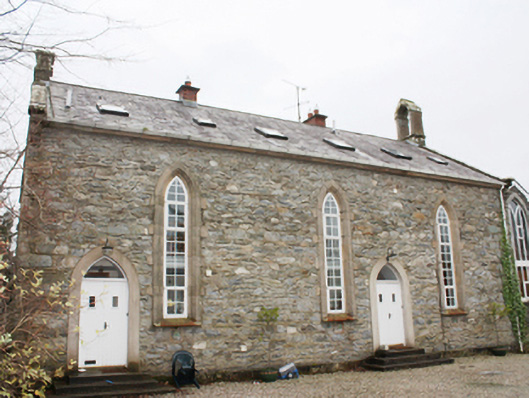 The Old Churchchurch/chapel · 1248 yd
 White Fort SiteFairy fort / ringfort · 1466 yd
 PoleStar MonumentHeritage attraction · 1.3 mi
 Dry Arch MonumentHeritage attraction · 1.5 mi
 Bawn in LetterkennyBawn · 1.9 mi
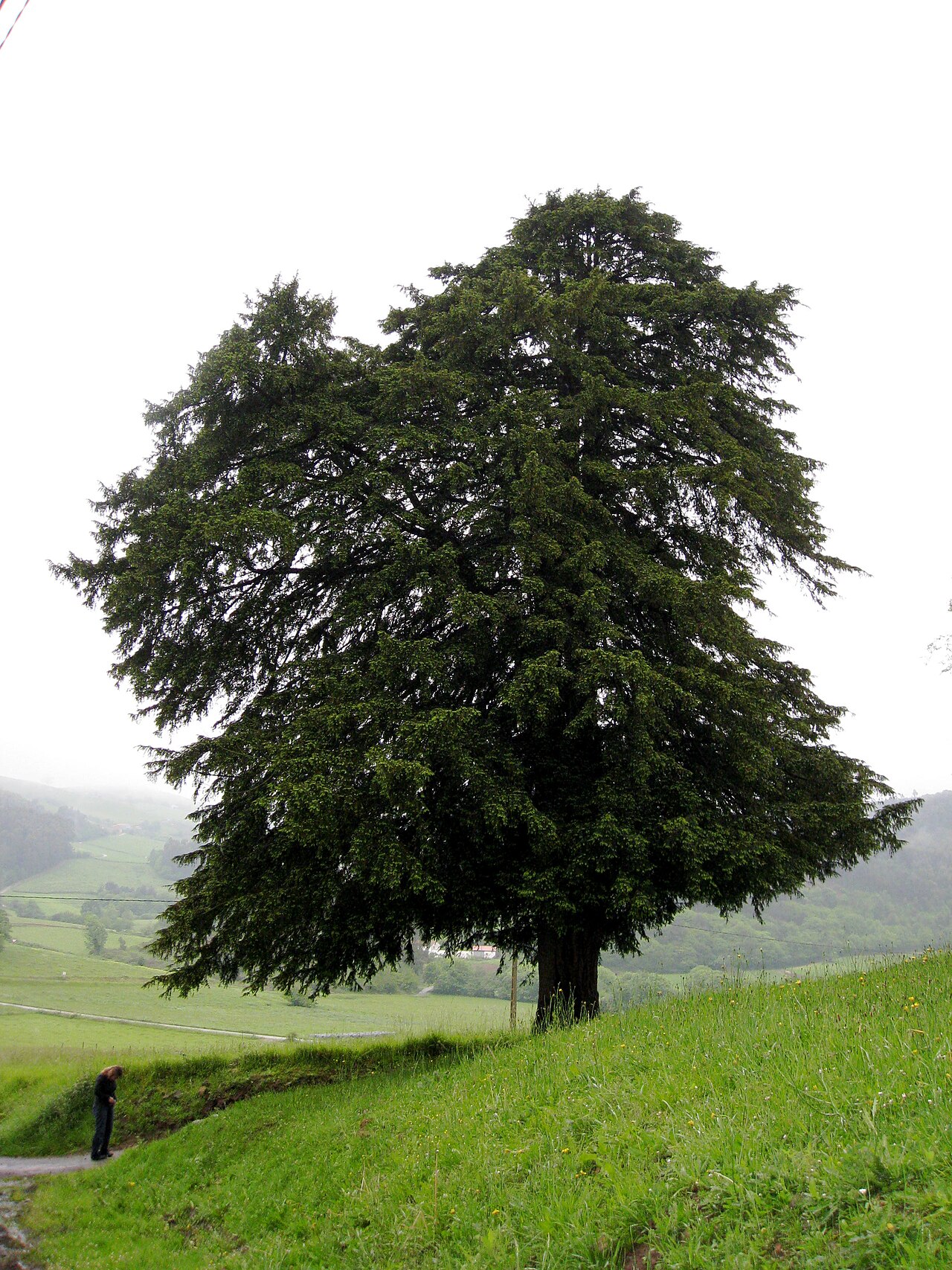 European YewEuropean Yew · 2.6 mi
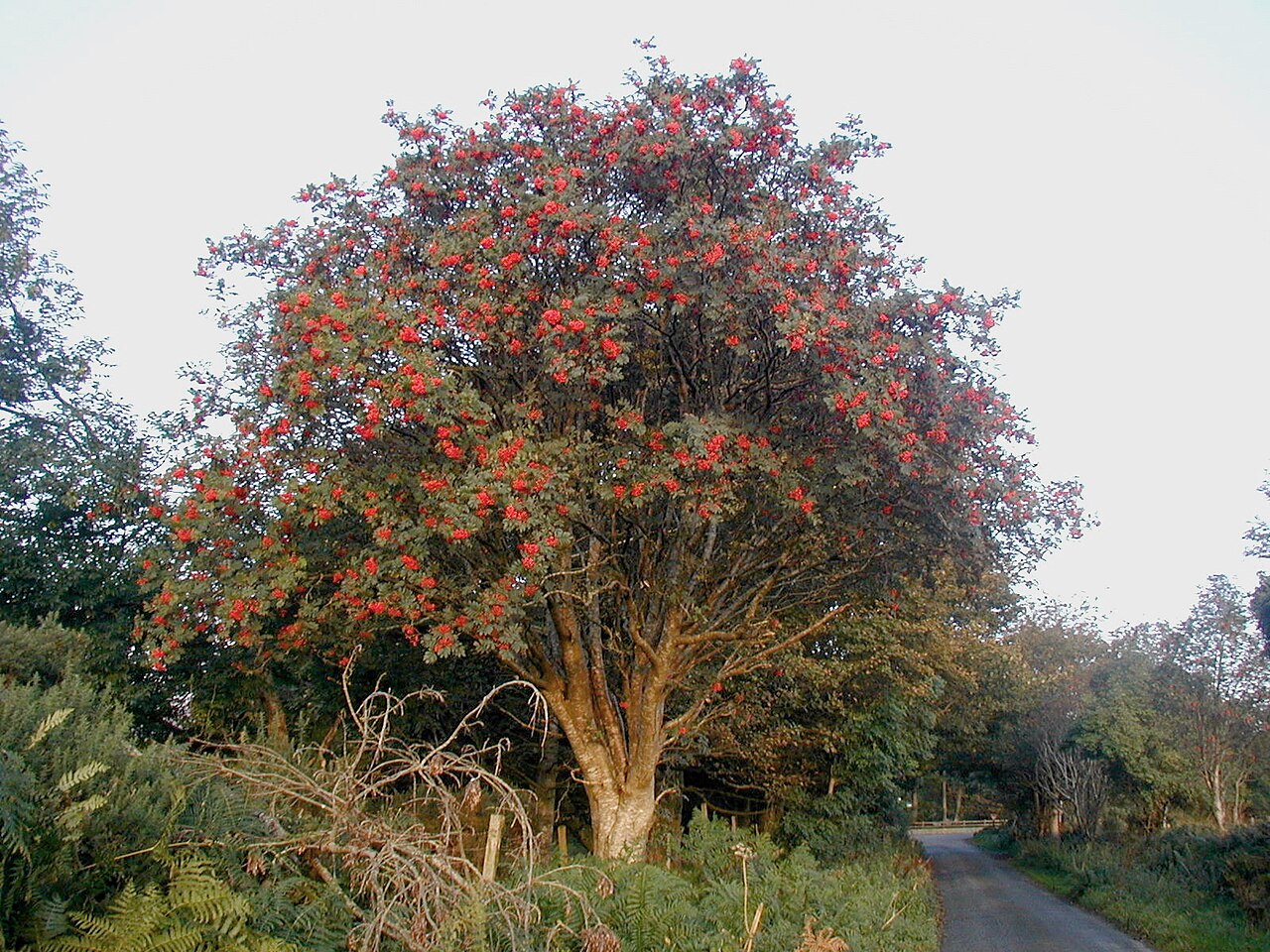 RowanRowan · 2.6 mi
 CastleCastle, unclassified · 3.7 mi
 Battle of Scarrifholisbattle · 4.5 mi
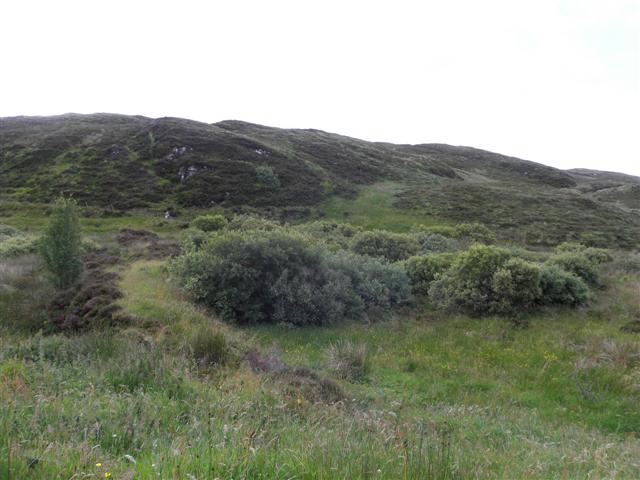 Gregory HillMountain / peak · 4.8 mi
Other information
Photo: Credit not shown in the picture search · Rights wording not checked; contact us if this picture should be removed