What is recorded here
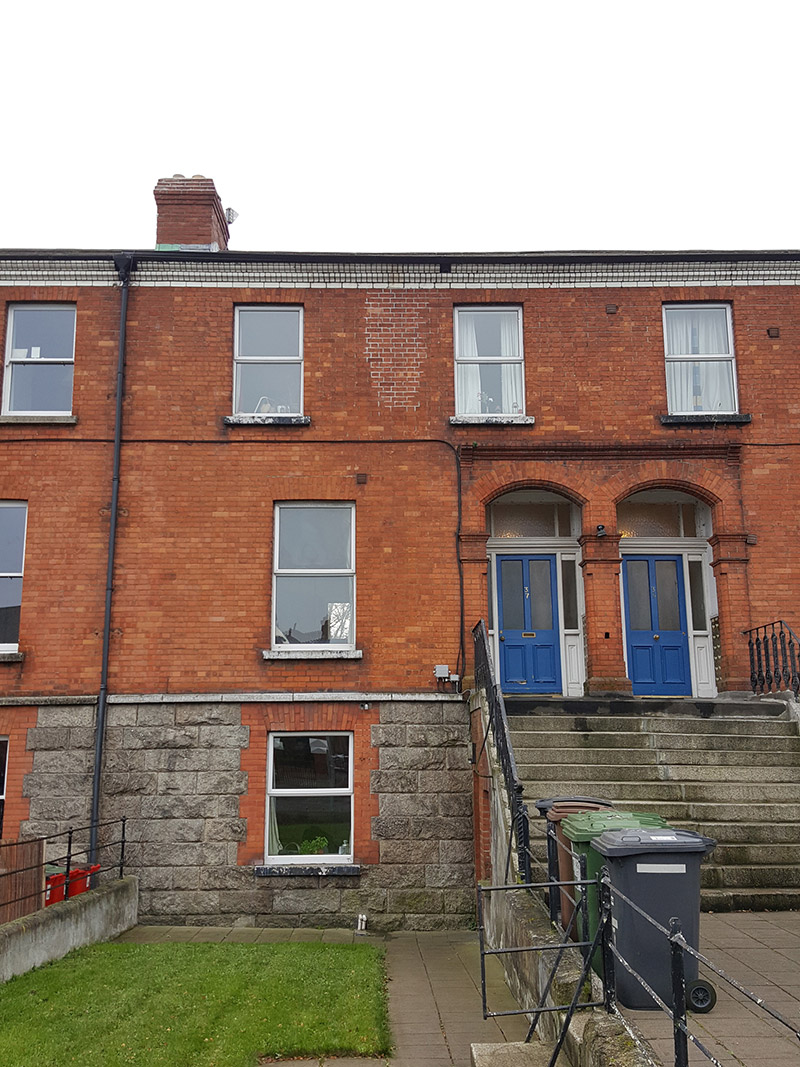
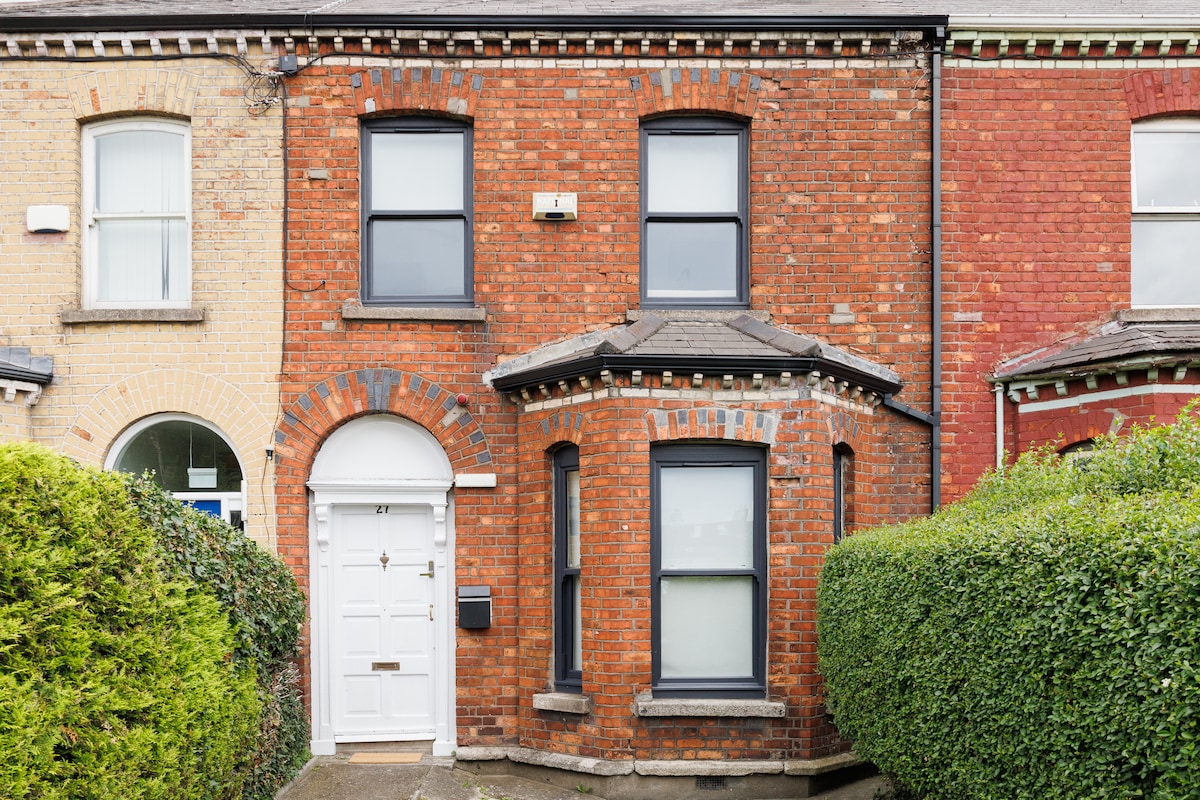
Terraced two-bay two-storey former house over raised basement, built c. 1900 as one of twelve, having return to rear (southeast) elevation. Now in use as apartments. M-profile pitched artificial slate roof, having red brick chimneystacks with clay pots to southwest party wall, moulded white brick eaves course, and with pitched roof to return. Red brick walling, laid in Flemish bond, to front elevation on granite plinth course over rusticated granite basement walling, and rendered to rear. Square-headed window openings with granite sills and replacement uPVC frames, having red brick surround to basement window. Segmental-headed entrance opening to deeply recessed porch, having red brick surround incorporating porch to north and having moulded brick pilasters with stop-chamfer detail to arrises, and moulded brick cornice. Square-headed doorway to inner opening, with moulded masonry surround, glazed transom and overlights, half-glazed timber panelled door and sidelights. Plaster coving to porch ceiling. Entrance approached by shared flight of eleven nosed granite steps with half-landing, having decorative cast-iron railings at one side on cut granite plinth wall. Plain cast-iron railings to approach. Garden to front, bounded to street by decorative cast-iron railings and gate set to cast-iron posts on cut granite plinth wall, with granite step to footpath.
This house is part of a terrace that presents an imposing façade to the streetscape, enhanced by the raised basement and rusticated stonework that give added visual weight. Moulded brick details enrich the façade and draw focus to the deeply recessed porch. By sharing the form, fabric and detailing of the terrace and of a further pair to the south, the building contributes to the architectural cohesiveness of the streetscape. It is typical of contemporary well-designed suburban residential housing built around Dublin at the beginning of the twentieth century. The suburban areas north of the city centre were slower to develop than their southern counterparts, with areas such as Clontarf only becoming popular for middle-class residential areas in the latter decades of the nineteenth century.
This does not grant access. Most recorded buildings are privately owned; view them only from public ground unless the owner allows entry.
Places near here
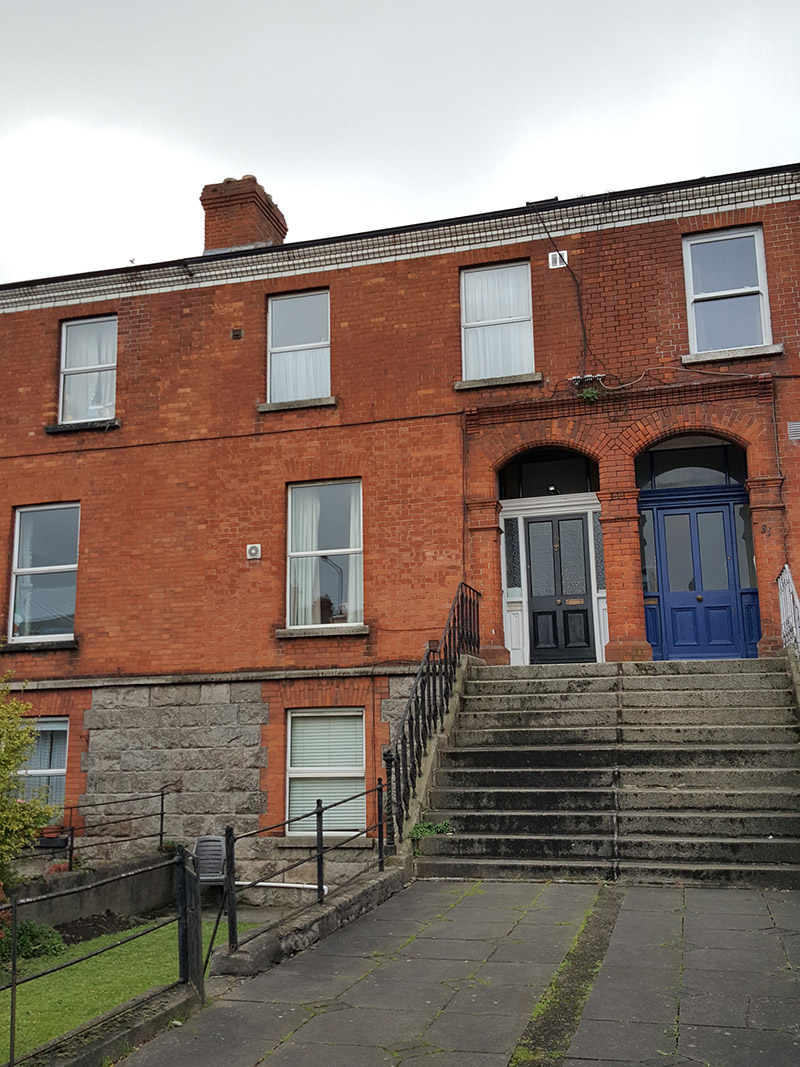 Dalradahouse · 14 yd
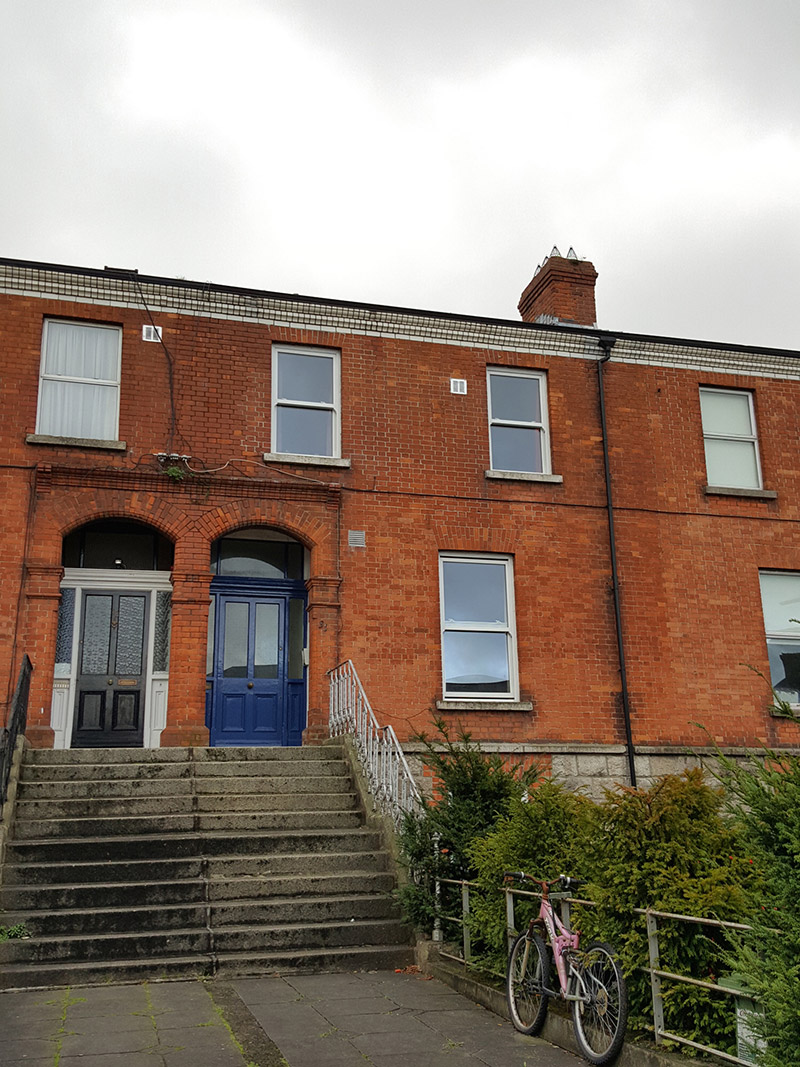 Woodfieldhouse · 22 yd
 Burial in Unknown TownlandBurial · 243 yd
 Battle of ClontarfVisitor information · 478 yd
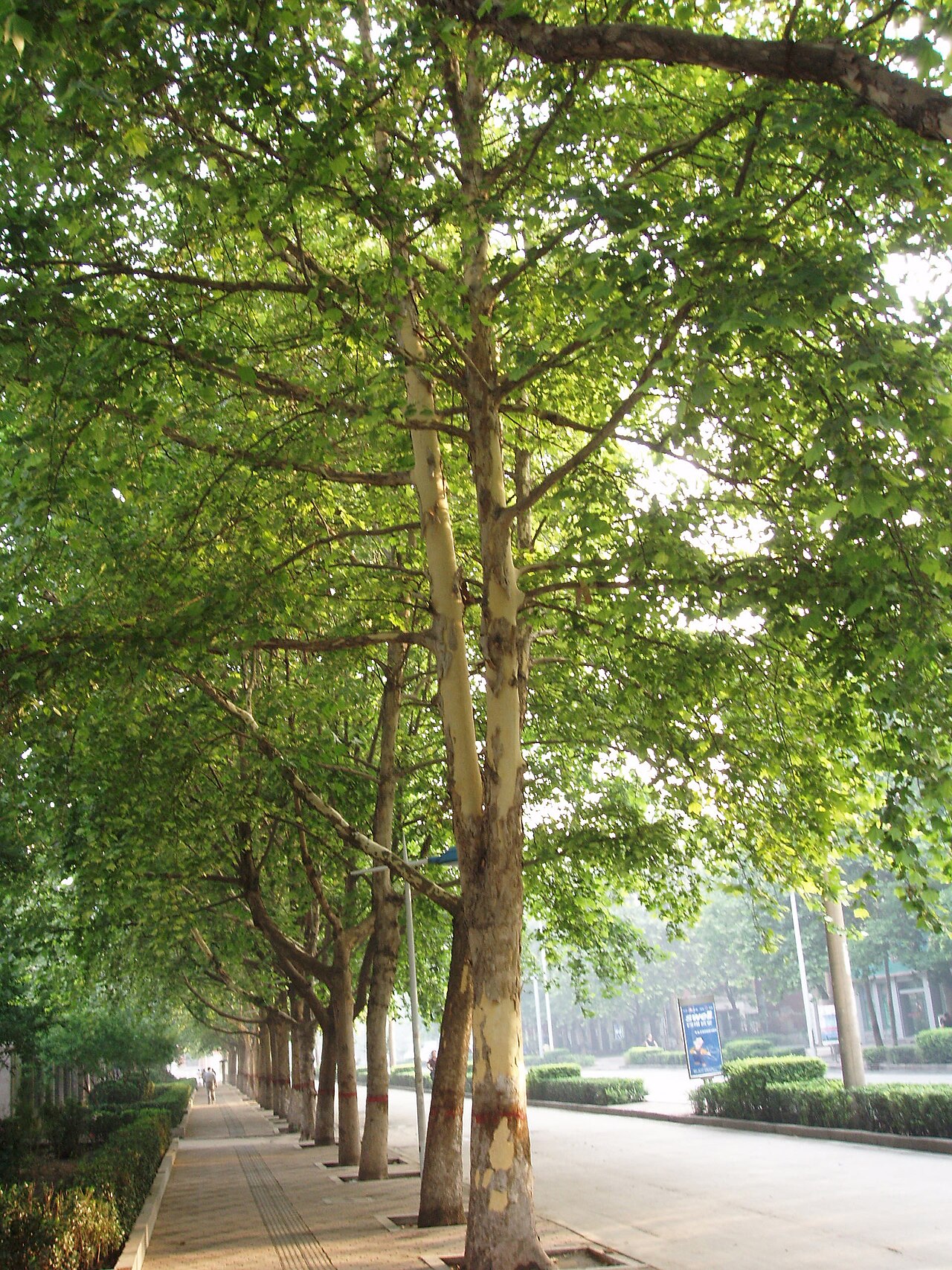 London PlaneLondon Plane · 517 yd
 StudioGallery · 641 yd
 Casino at MarinoHeritage attraction · 754 yd
 East Point Business ParkVisitor information · 851 yd
 Seán Russell Memorial StatueMemorial · 1007 yd
 St. Dennis WellHoly well · 1125 yd
 Clontarf War MemorialMemorial · 1631 yd
 St Josephs Asylum for the BlindCastle, unclassified · 1724 yd
Other information
Photo: National Inventory of Architectural Heritage · Website use allowed for educational or private purposes with source credit