What is recorded here
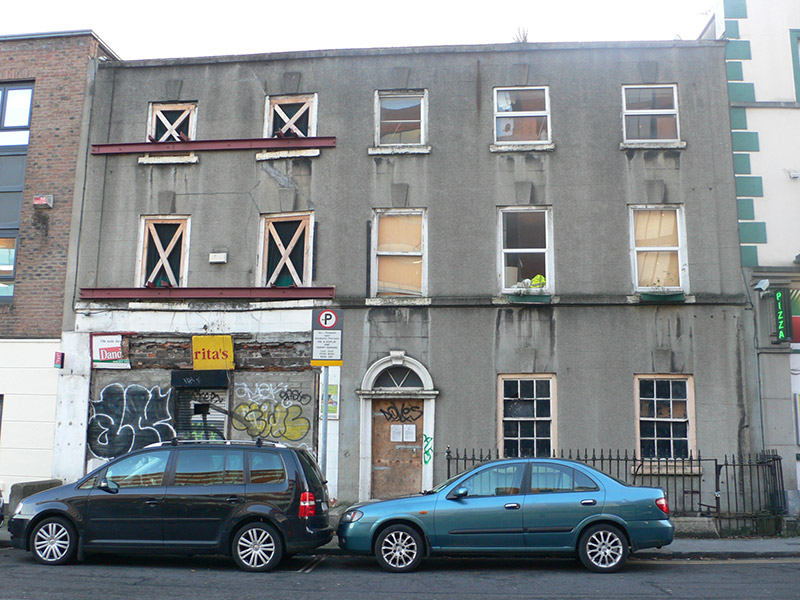
Attached five-bay three-storey former house over basement, built 1729, having flat-roofed full-height projection to rear of No. 25. Now derelict, with former shop to part of ground floor. Flat roof, having parapet with granite coping, projecting rendered chimneystack to rear wall and concealed rainwater goods. Cement-rendered ruled-and-lined walling on projecting rendered plinth to basement, with projecting sill course at first floor, and with rear elevation braced with steel. Square-headed window openings, diminishing in height to upper floors, with rendered reveals, single keystones and painted granite sills. Segmental-headed openings to basement. Historic six-over-six pane timber sliding sash windows to ground floor with exposed boxes, replacement uPVC windows to upper floors, blocked opening to basement, metal casements to rear, boarded-up and braced window openings. Round-headed doorcase to middle bay, having moulded architrave, keyed head, projecting cornice, replacement fanlight. Doorway now boarded up and shopfront filled with concrete block. Granite-flagged platform bridging basement, with single granite step to street level. Cast-iron railings on moulded granite plinth enclosing basement area, latter accessed by separate gate and stone steps.
An important, large house of early eighteenth-century date, later subdivided to form two properties and now vacant and derelict (September 2016). It is a rare survivor of the earlier Dublin Mansion typology which originated in Aungier Street in the 17th century to house the social elite returning to Dublin after the restoration of Charles II to the throne. Despite its poor condition it retains its doorcase and its the well-balanced proportions and graded fenestration pattern typical of the period and also has some historic timber sliding sash windows with exposed boxes. Additionally, good setting features are retained, including the cast-iron railings, granite platform and stone steps to basement level. The building makes a very significant contribution to the early character of the district and is one of a relatively small collection of early houses still standing in Dublin. It also reflects a time when this street stood at the edge of the coast, before reclamation of land to the east, as depicted on early maps.
This does not grant access. Most recorded buildings are privately owned; view them only from public ground unless the owner allows entry.
Places near here
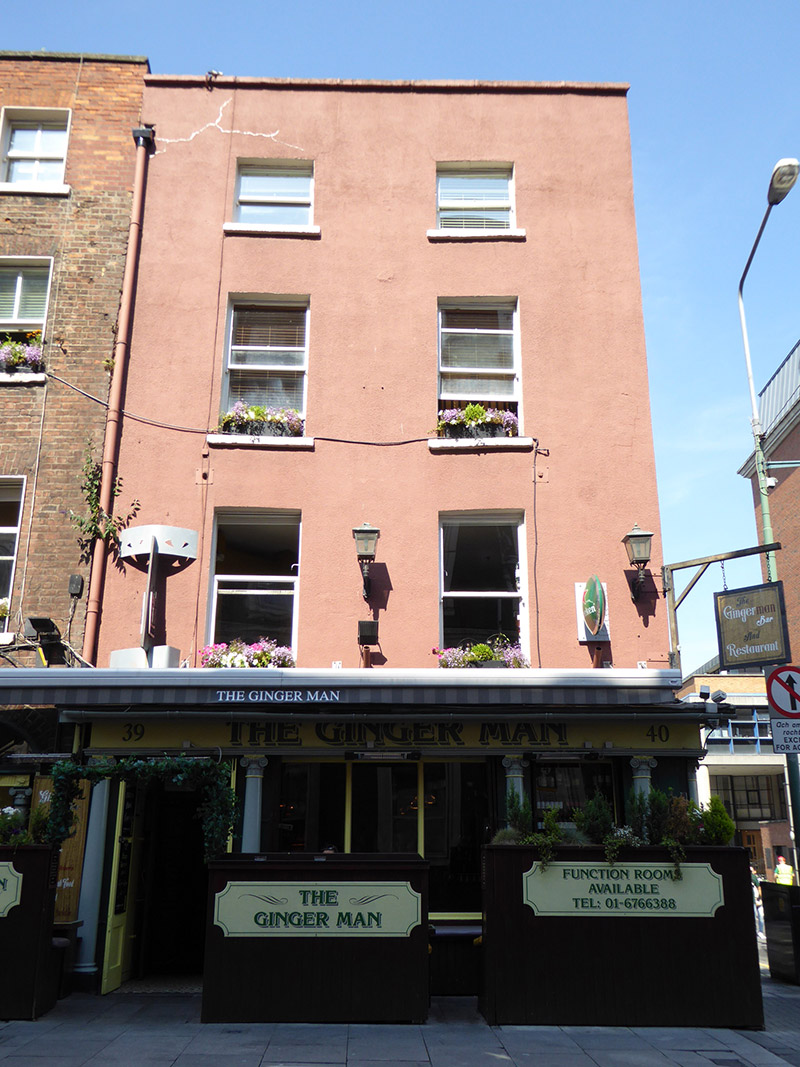 The Ginger Manhouse · 116 yd
 Davenport Hotelgospel hall, hall · 142 yd
 Bernardo O'HigginsMemorial · 154 yd
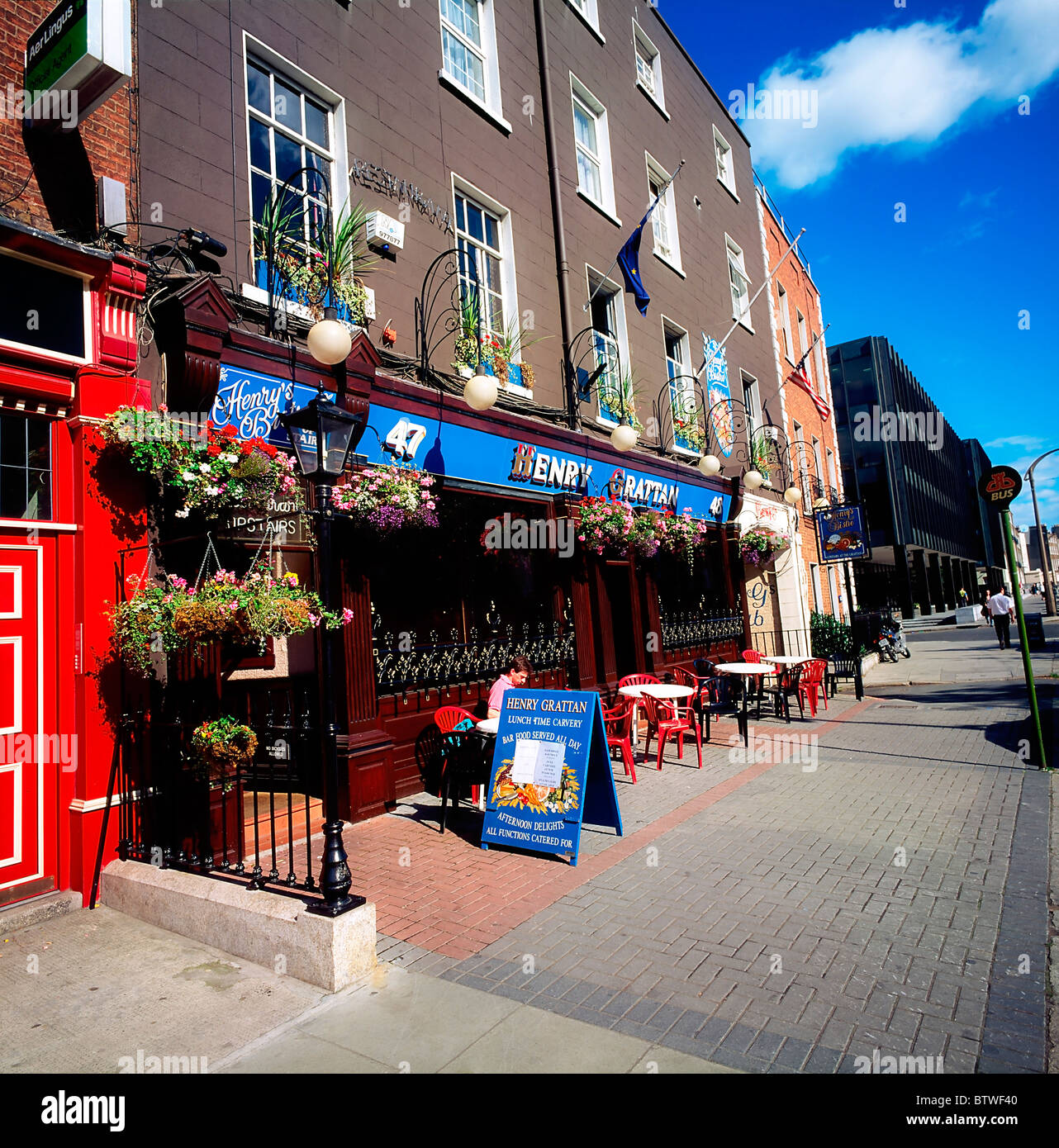 Henry GrattanMemorial · 173 yd
 The Giant's GardenHeritage attraction · 201 yd
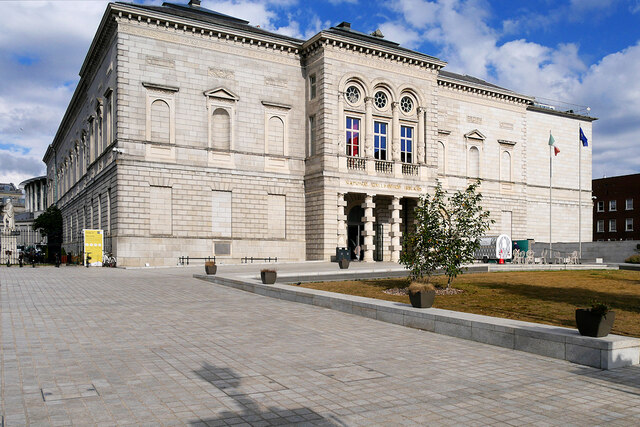 National Gallery of IrelandMemorial · 312 yd
 Statue of Surgeon-Major ParkeMonument · 387 yd
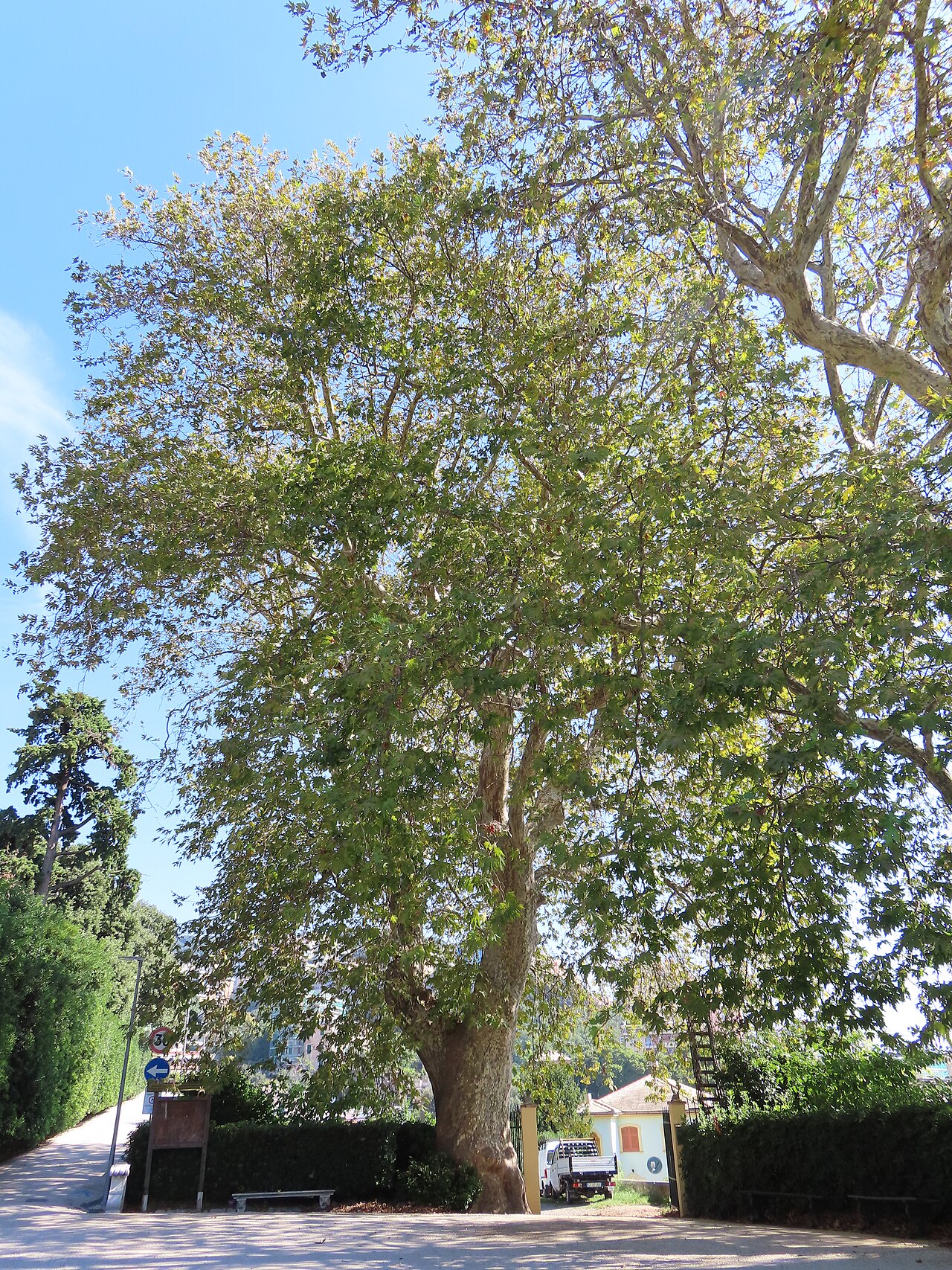 Oriental planeOriental plane · 624 yd
 Library in Unknown TownlandLibrary · 699 yd
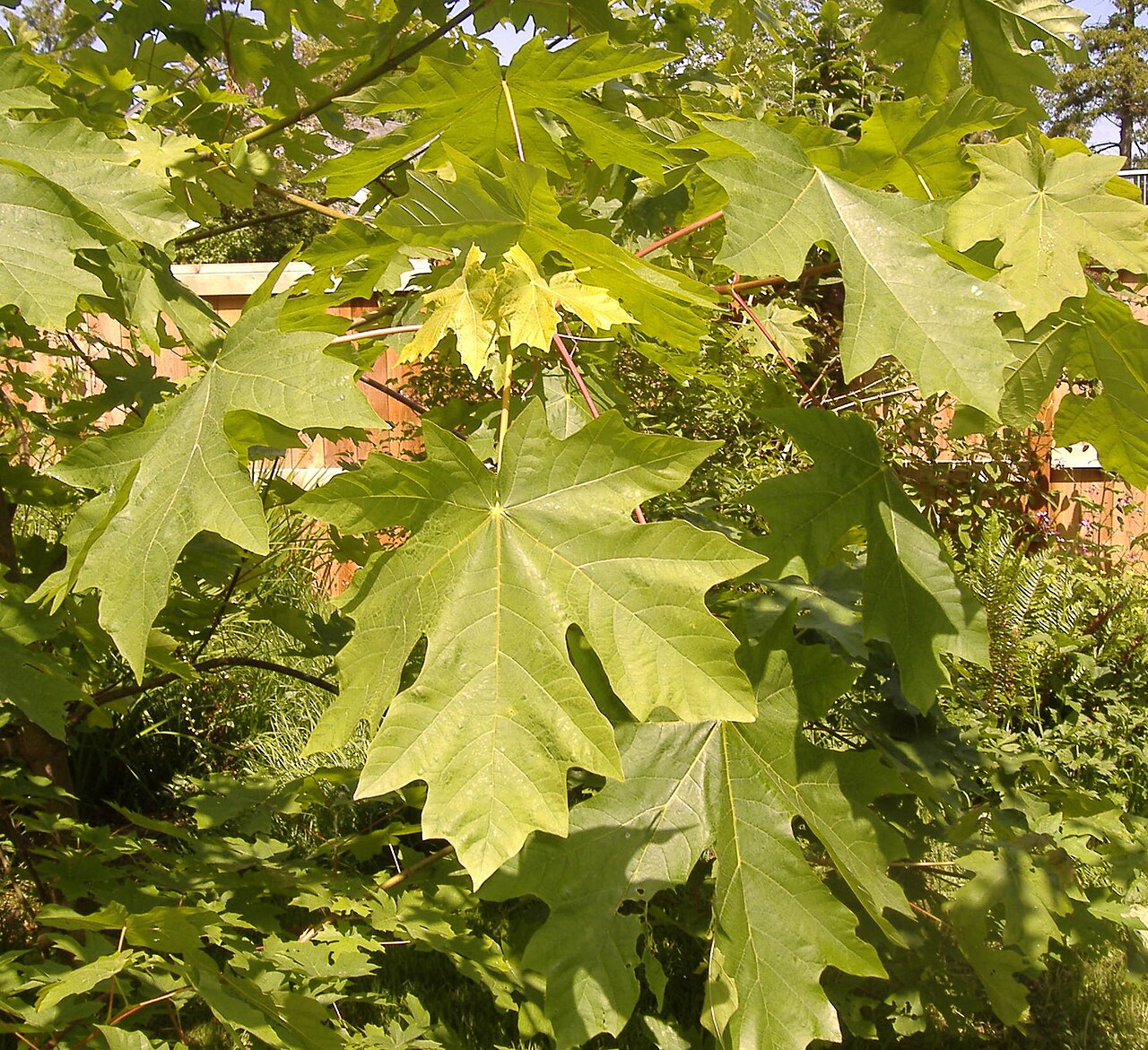 Bigleaf MapleBigleaf Maple · 707 yd
 Burning of the Custom Housearmed conflict · 928 yd
 Burial ground in Unknown TownlandBurial ground · 1.0 mi
Other information
Photo: National Inventory of Architectural Heritage · Website use allowed for educational or private purposes with source credit