What is recorded here
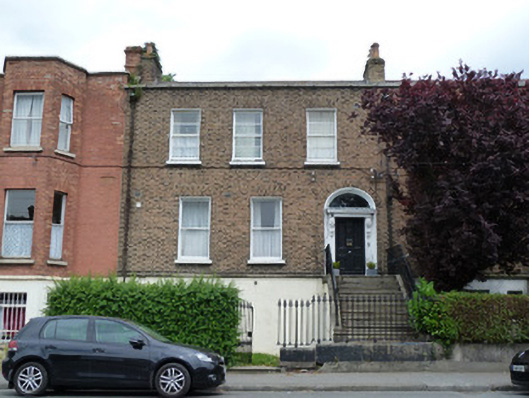
Terraced three-bay two-storey former house over raised basement, built c.1850. Now converted to apartments. Double span pitched roof hidden behind brick parapet wall with granite coping. Brick chimneystacks to party walls with cast-iron rainwater goods. Brown brick laid in Flemish bond to ground and first floors with granite plinth course over rendered basement walling. Square-headed window openings with brick voussoirs and rendered reveals, granite sills and timber sliding sash windows, one-over-one pane to ground floor, horizontally divided two-over-two pane to first floor and three-over-three pane with iron window guards to basement. Round-headed door opening with brick voussoirs and moulded surround. Timber bolection-moulded four-panelled door flanked by timber panelled pilasters with carved foliate console brackets supporting timber dentil frieze and cornice with plain fanlight. Granite platform with cast-iron bootscrape. Nosed granite steps with cast-iron balusters and wrought-iron handrail. Cast-iron railings on moulded granite plinth wall to front and cast-iron pedestrian gate.
The architectural form of the houses of Cabra Road is derived from the Dublin townhouse, though on a more modest scale due to its location at the edge of the city. The basement is raised allowing the inclusion of a front garden area. The survival of the cast-iron railings and pedestrian gates which bounded the garden areas provides a sense of enclosure marking out the private space associated with each house. The terrace named 'Cabra Parade' on the early Ordnance Survey maps is well-composed, maintaining a unified parapet line and window alignment. Some slight variations in design are evident, in this case the inclusion of a third bay, possibly indicating the work of individual builders or developers. Much of the early fabric is retained including the cast-iron railings, bootscrapers, granite steps and brickwork.
This does not grant access. Most recorded buildings are privately owned; view them only from public ground unless the owner allows entry.
Places near here
 Churchview Nursing Homehouse · 45 yd
 Orbyhouse · 53 yd
 Liam WhelanMemorial · 307 yd
 Conor Hickey - 3 December 2011Memorial · 505 yd
 Campus Information PointVisitor information · 714 yd
 Welcome to PhibsboroughVisitor information · 816 yd
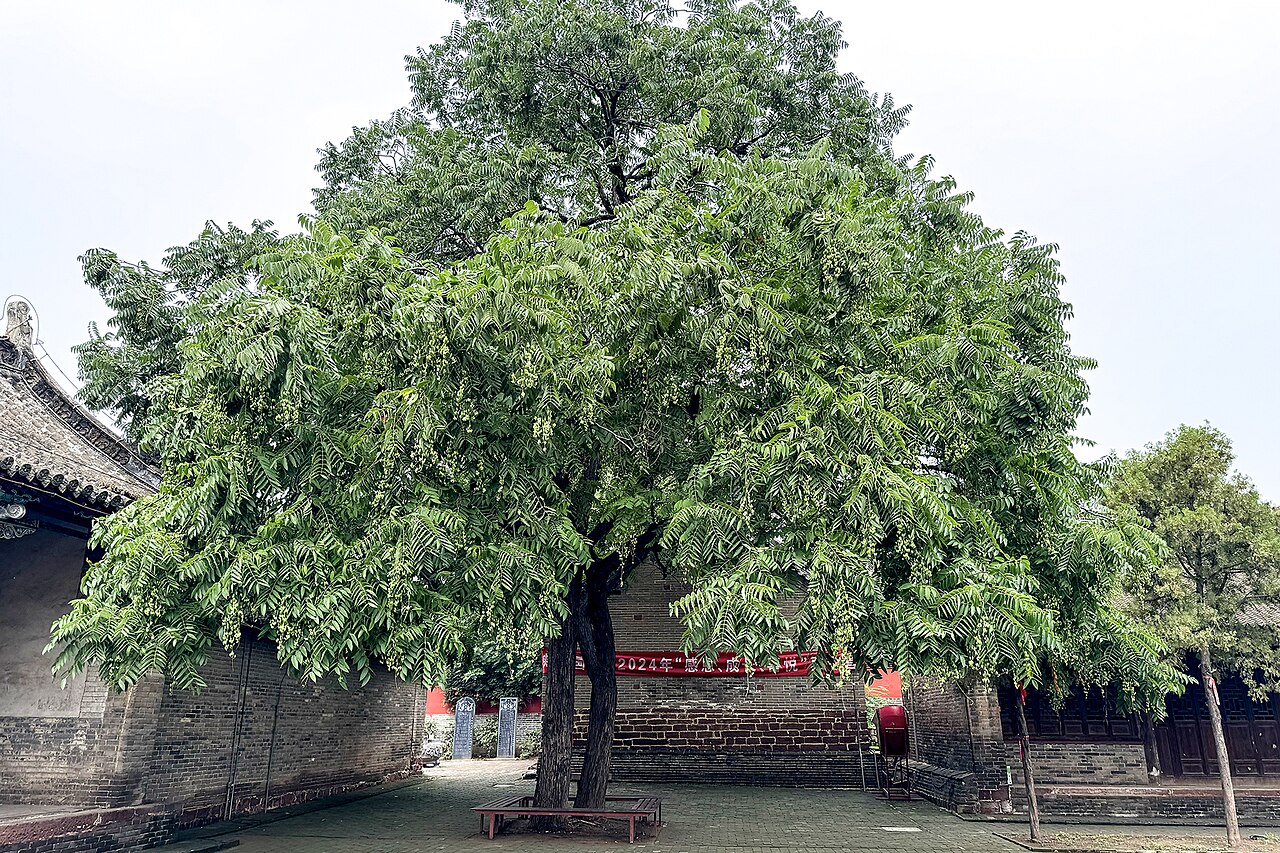 Chinese ToonChinese Toon · 1048 yd
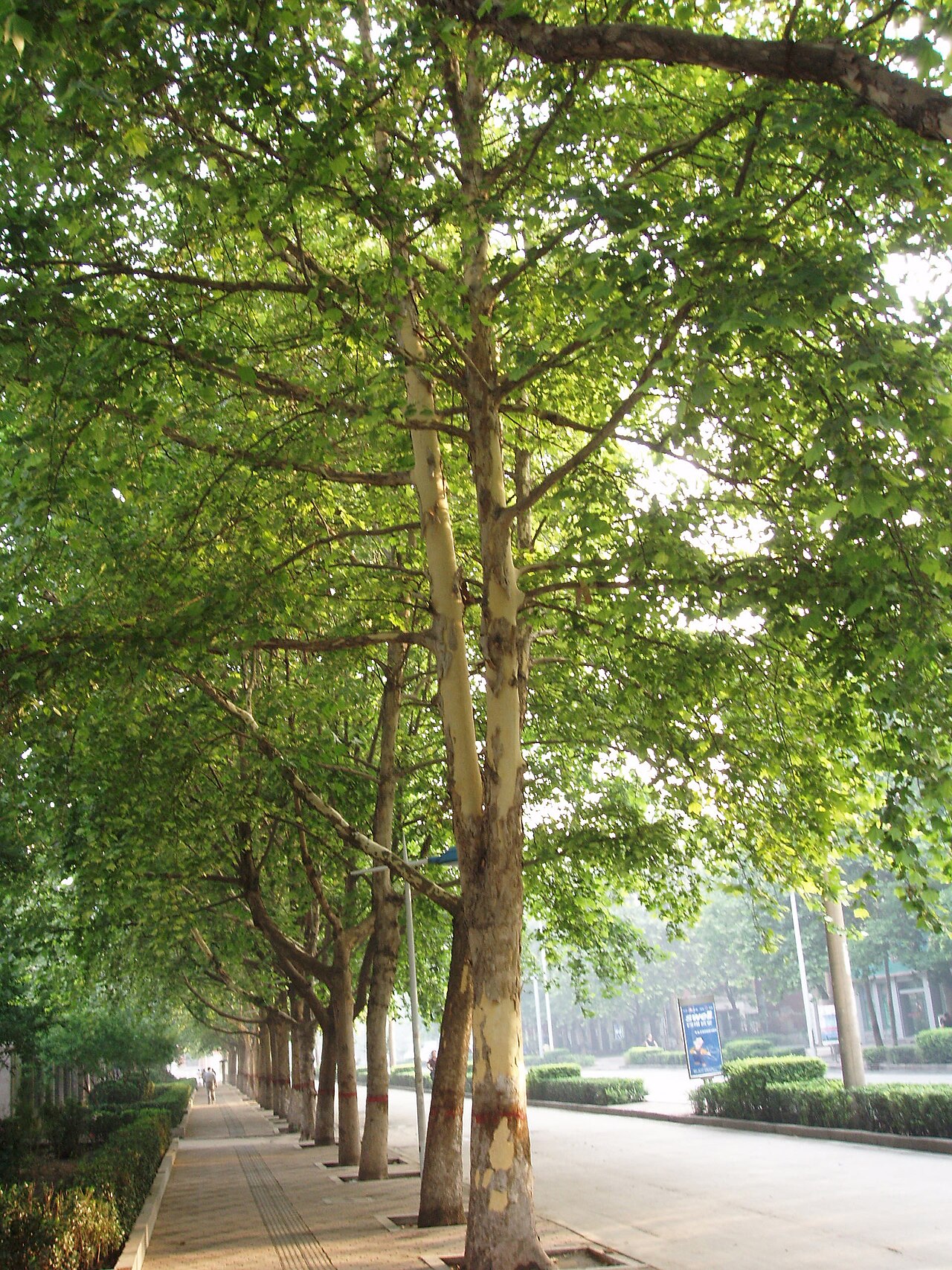 London PlaneLondon Plane · 1271 yd
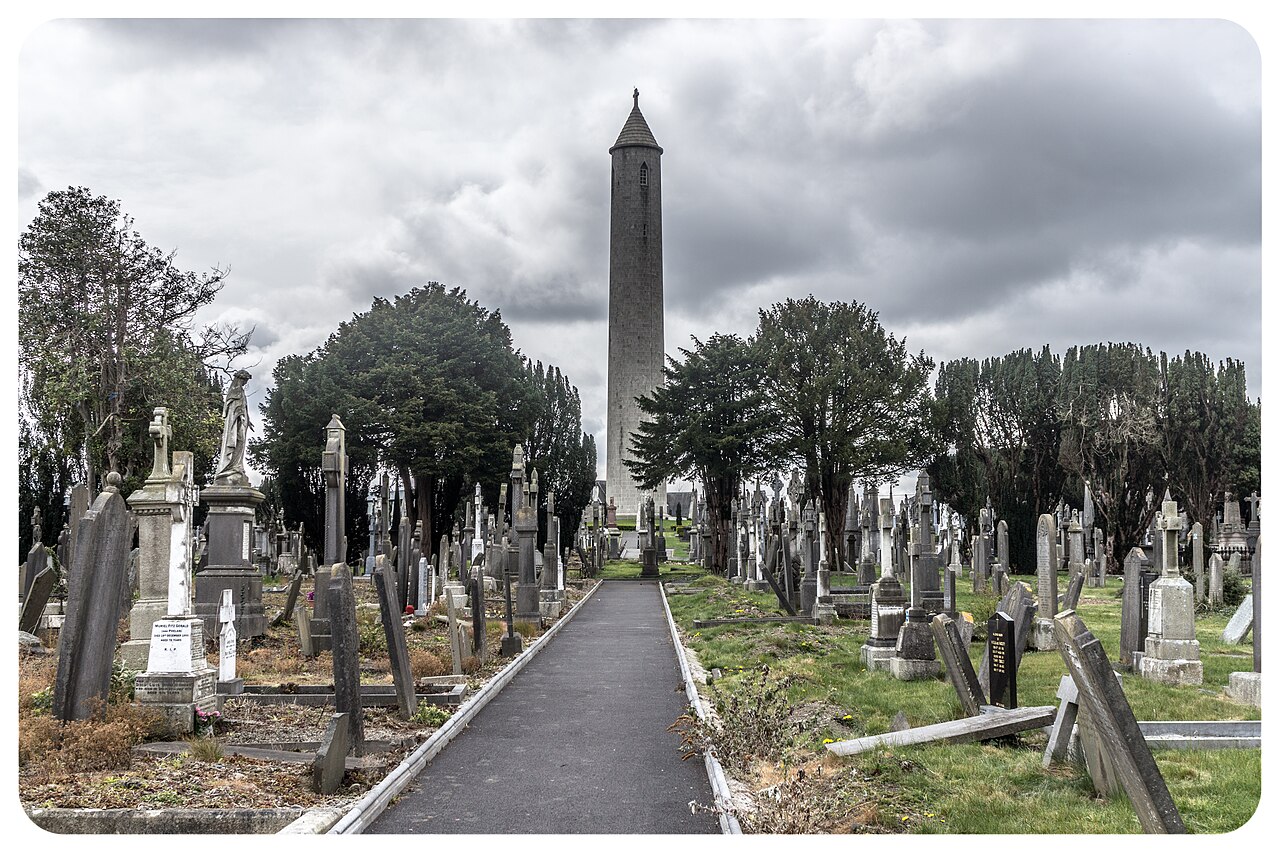 Glasnevin CemeteryHistoric cemetery · 1349 yd
 National Museum of Ireland (Decorative Arts & History)Museum · 1523 yd
 Burial in Unknown TownlandBurial · 1530 yd
 CastleCastle, unclassified · 1553 yd
Other information
Photo: National Inventory of Architectural Heritage · Website use allowed for educational or private purposes with source credit