
What is recorded here
Holy wells across Ireland and Britain mark ancient human reverence for living water. They appear as small pools, seeping springs or deeper wells where people prayed, healed wounds and tied cloth to nearby trees. The practice predates Christian saints, although later tradition named many wells after them. What began as pagan respect for water and hidden life became layered with church story, yet the human impulse remained the same: to meet the divine in something visible, touching and alive.
In grove, on break in S-facing slope. Stone-faced well; cross of quartz pebbles in wall. According to Power (1923, 191), 'Forty years ago "rounds" were quite frequent here'.
The above description is derived from the published 'Archaeological Inventory of County Cork. Volume 2: East and South Cork' (Dublin: Stationery Office, 1994). In certain instances the entries have been revised and updated in the light of recent research.
Date of upload/revision: 14 January 2009
The monument record does not grant public access. Check the route and ask the landowner before entering private land.
- What survives
- Recorded monument
Places near here
 IndicatedFairy fort / earthen ringfort · 340 yd
 G YdGraveyard · 1481 yd
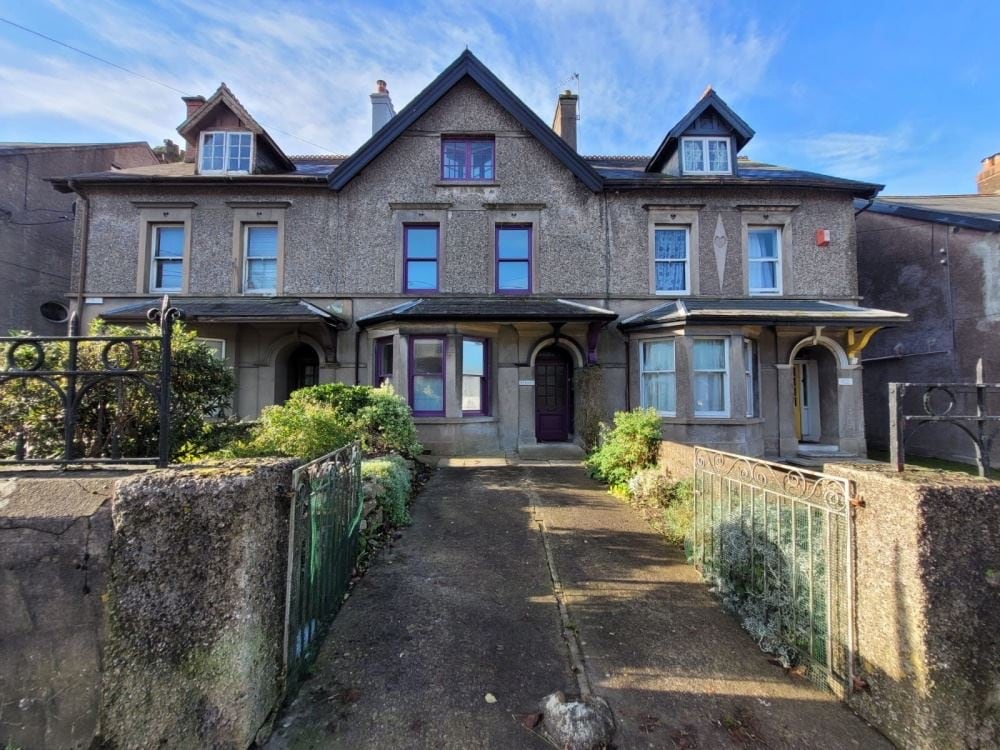 Anngrove HouseCountry house · 1719 yd
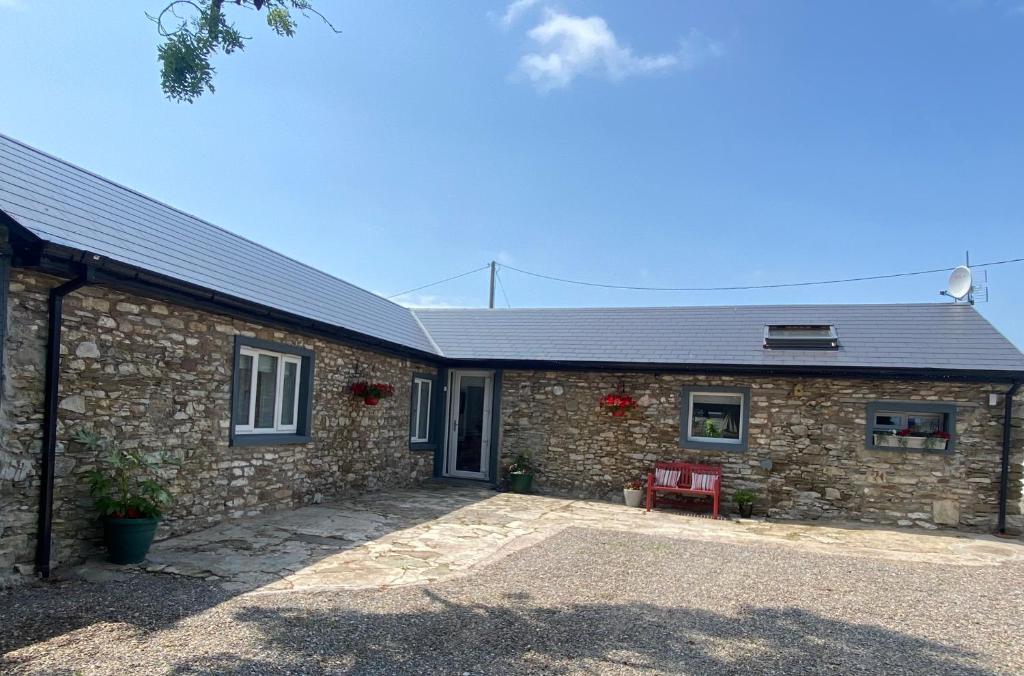 Union LodgeCountry house · 1.1 mi
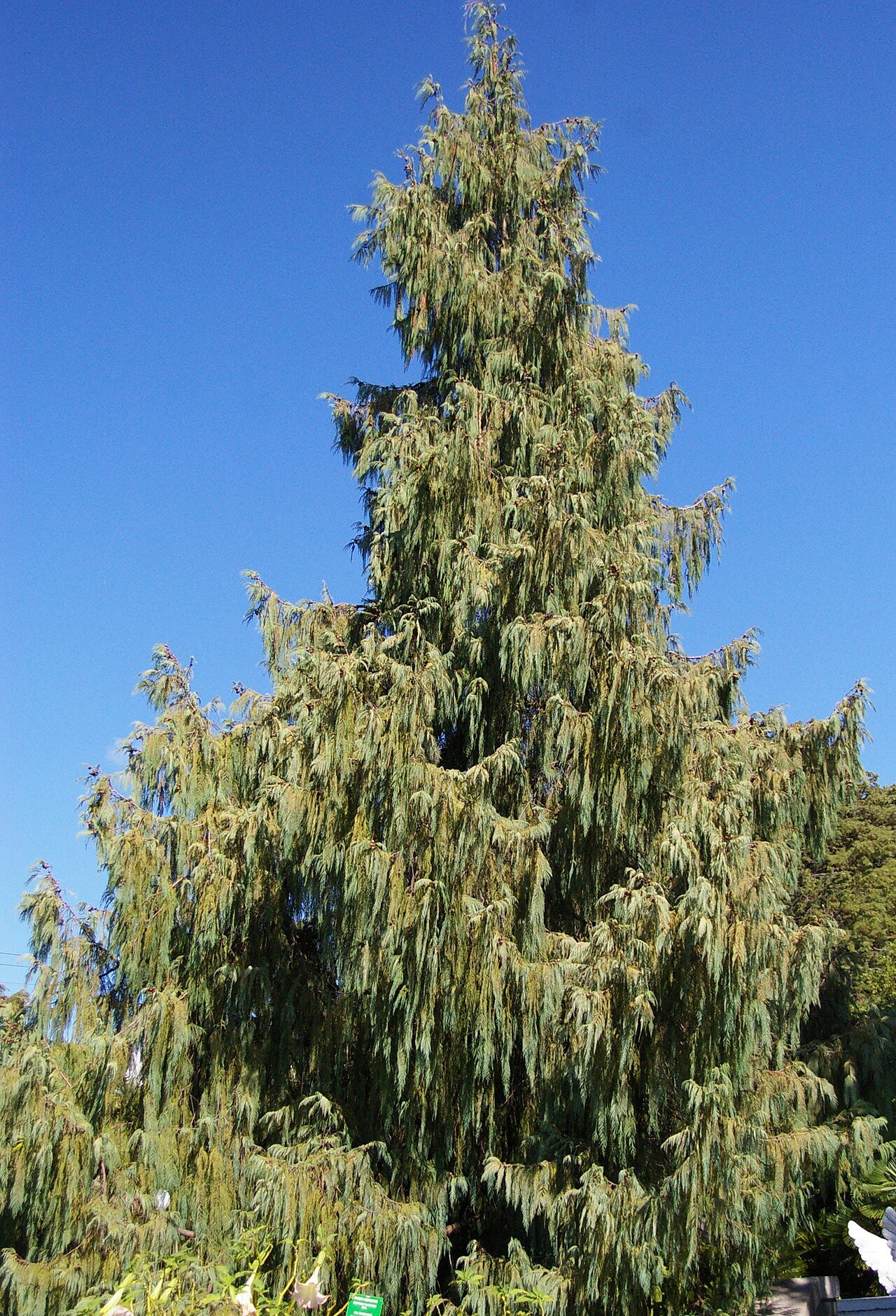 Bhutan CypressBhutan Cypress · 2.0 mi
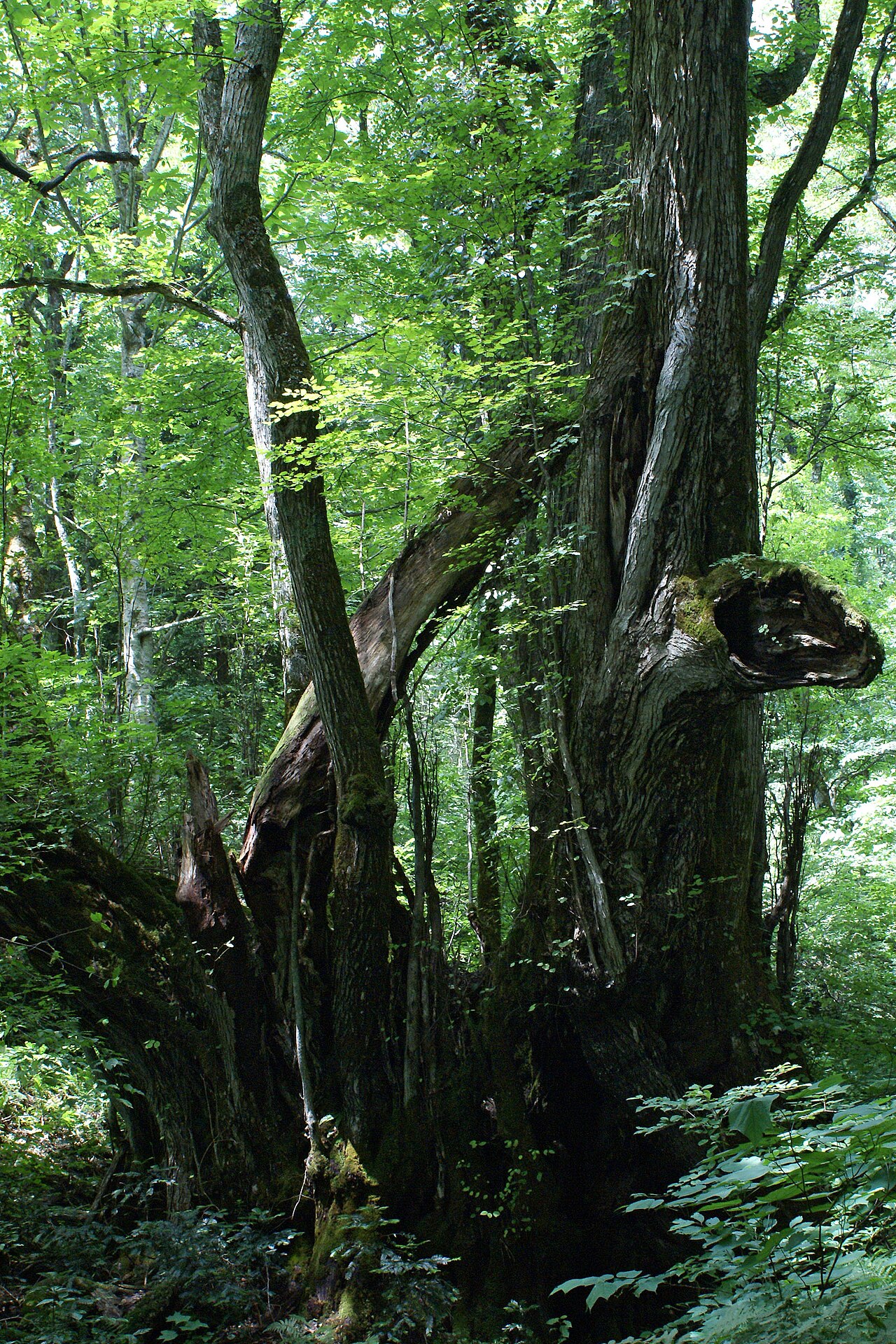 Katsura treeKatsura tree · 2.0 mi
 Harper's IslandIslet · 2.1 mi
 Barryscourt CastleCastle · 2.4 mi
 Barrys Court Castle, Tower(s)Castle, tower house · 2.4 mi
 Leamlara Castle (in Ruins)Castle, tower house · 2.7 mi
 Lough MahonBay · 4.4 mi
 Great IslandIsland · 4.7 mi
Other information
Photo: Credit not shown in the picture search · Rights wording not checked; contact us if this picture should be removed