What is recorded here
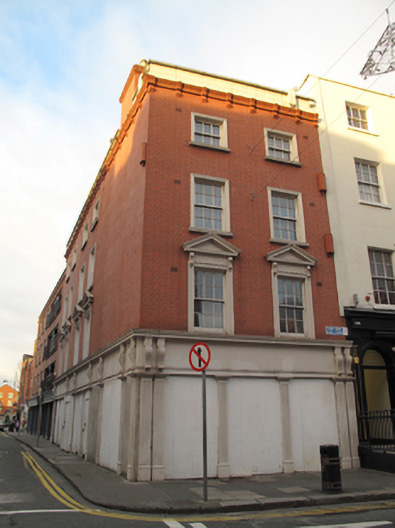
Corner-sited four-storey commercial building, built c.1790, with four-bay elevation to Britain Street and two-bay elevation to Capel Street, with shopfronts to ground floor. Not currently in use. Flat roof having red brick stepped chimneystack with clay pots to south parapet wall, hidden behind ruled-and-lined rendered parapet having masonry coping. Cast-iron rainwater goods to west elevation. Moulded red brick cornice with moulded red brick consoles over red brick walls laid in Flemish bond. Square-headed window openings, diminishing to upper floor, having moulded masonry architrave surrounds and timber sliding sash windows, three-over-three pane to third floor, six-over-six to first and second floors. Pedimented lintels on scrolled consoles over first floor windows. Shopfront to ground floor comprising fluted engaged pilasters on plinth bases, paired to ends, some with scrolled consoles supporting moulded masonry cornice over plain entablature. Square-headed openings to shopfront boarded throughout.
Capel Street, laid out in the late seventeenth century to connect Essex Bridge to North Circular Road, was one of the primary commercial thoroughfares of the city as well as the principal northern route into the city. This building represents the eighteenth-century development of the area and commemorates the street's continuing commercial importance, while archaeological investigations to the rear have revealed possible traces of a seventeenth-century house. This commercial premises, though not currently in use, retains much of its original form and fabric, including a variety of timber sash windows, and most notably, the well-executed shopfront to the ground floor. The fluted pilasters are complemented by elegant scrolled consoles which are replicated in the window surrounds to the first floor, adding artistic as well as contextual interest. Window surrounds and a red brick cornice to the wall enliven the façade. The surviving details as well as the illusion of height created by the diminishing window openings enhance the buildings presence on the streetscape and highlight its importance to the built heritage of Dublin City as a whole.
This does not grant access. Most recorded buildings are privately owned; view them only from public ground unless the owner allows entry.
Places near here
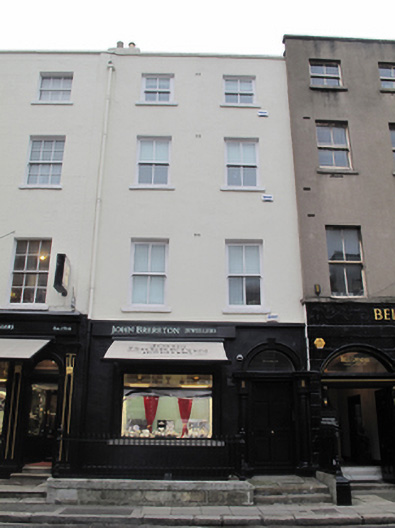 John Brereton Jewellershouse · 14 yd
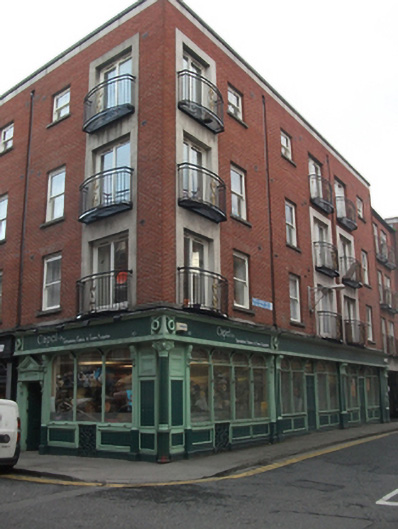 Capel Court Upholstery Fabric & Foam Suppliesshop/retail outlet · 20 yd
 Burial in Unknown TownlandBurial · 150 yd
 Sir John T GilbertMemorial · 201 yd
 National Leprechaun MuseumHeritage attraction · 271 yd
 14 Henrietta Street museumMuseum · 347 yd
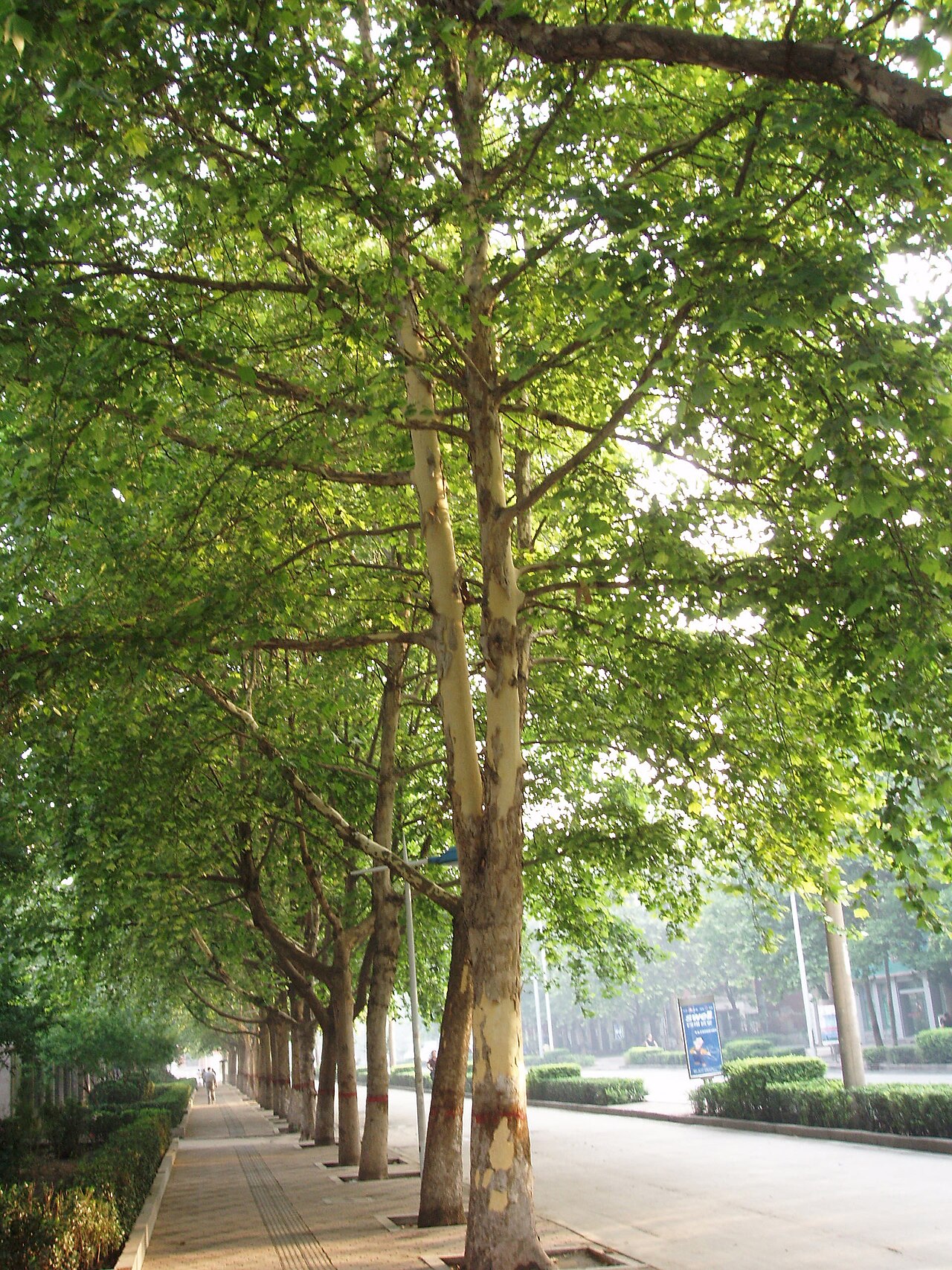 London PlaneLondon Plane · 411 yd
 Habitation site in Unknown TownlandHabitation site · 445 yd
 Burial ground in Unknown TownlandBurial ground · 871 yd
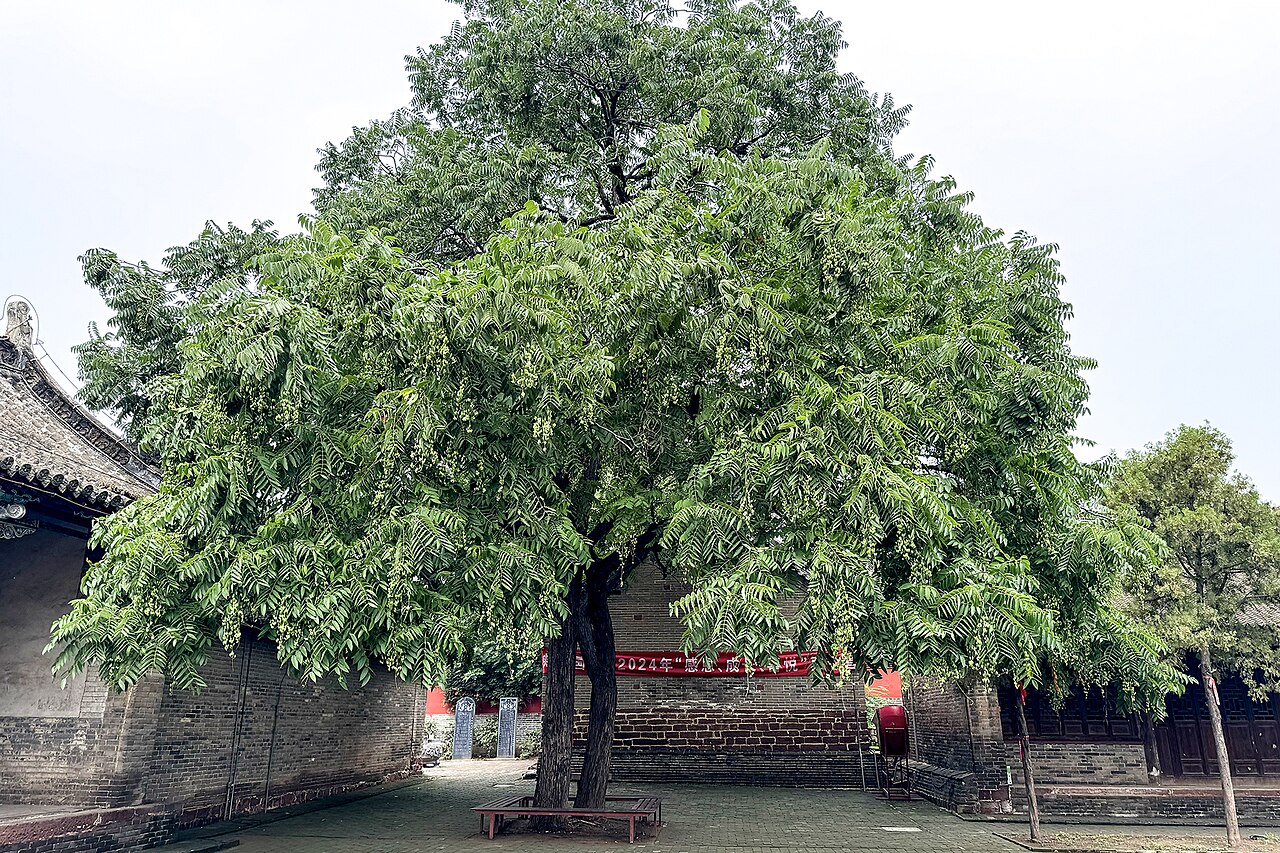 Chinese ToonChinese Toon · 997 yd
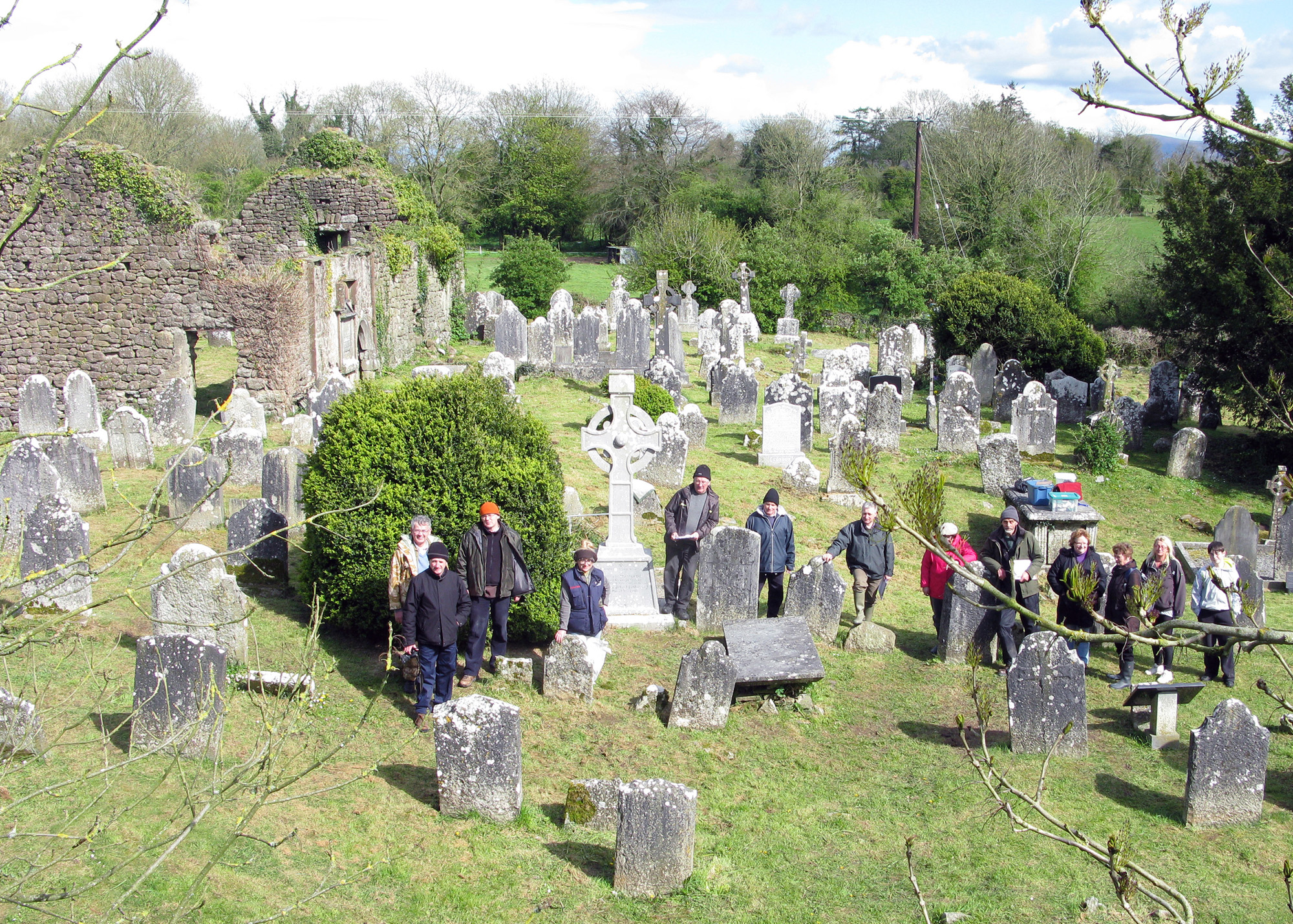 Graveyard in Unknown TownlandGraveyard · 1009 yd
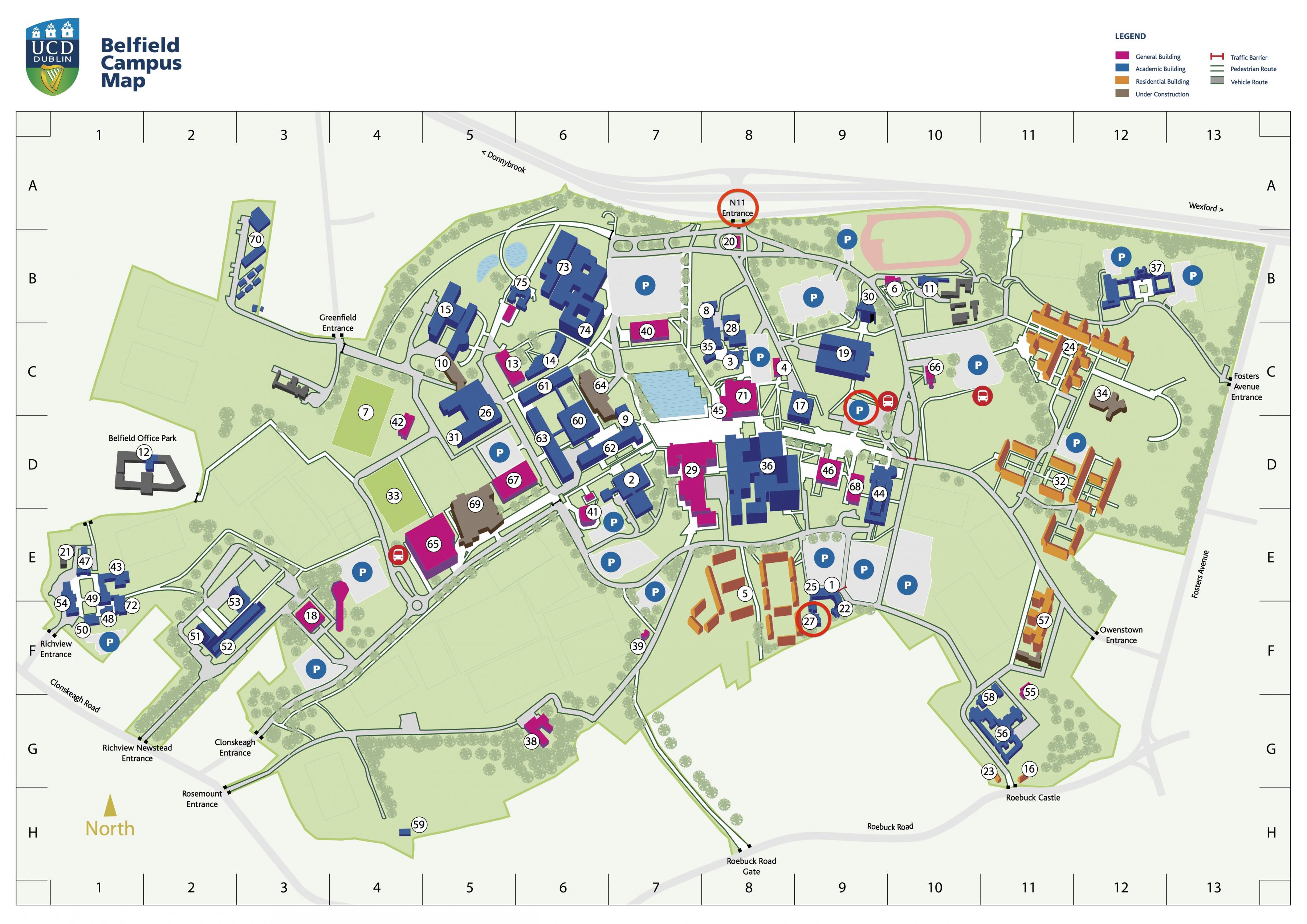 Campus Information PointVisitor information · 1087 yd
Other information
Photo: National Inventory of Architectural Heritage · Website use allowed for educational or private purposes with source credit