
What is recorded here
Detached three-bay single-storey railway station with half-dormer attic, opened 1846, on a T-shaped plan centred on single-bay single-storey gabled advanced breakfront. Occupied, 1901; 1911. Now disused. Pitched slate roof on a T-shaped plan centred on pitched (gabled) slate roof (breakfront), clay ridge tiles, yellow brick Flemish bond central chimney stack on chamfered cushion course on yellow brick Flemish bond base having stringcourse below capping supporting terracotta tapered pots, cut-granite chamfered coping to gables on ogee kneelers including cut-granite chamfered coping to gable (breakfront) on ogee kneelers with abbreviated finial to apex, and replacement uPVC rainwater goods on eaves boards. Repointed yellow brick Flemish bond walls on cut-granite plinth with cut-granite quoins to corners. Tudor-headed central door opening, cut-granite surround having chamfered rebated reveals with fitting now boarded up. Square-headed flanking window openings, cut-granite surrounds having chamfered reveals with hood mouldings framing boarded-up fittings. Square-headed window openings (gables) with cut-granite sills, and concealed dressings having chamfered reveals framing rendered infill. Set in own grounds.
A railway station identified as an important component of the mid nineteenth-century built heritage of south County Dublin on account of the connections with the development of the Great Southern and Western Railway (GSWR) line opened (1846) by the Great Southern and Western Railway (GSWR) Company with the architectural value of the composition, one resembling a scaled-down version of the contemporary Carlow Railway Station (1845-6) and thereby attributable to Sir John Benjamin MacNeill (c.1793-1880), confirmed by such attributes as the compact plan form centred on a restrained Tudor-esque doorcase; the construction in a honey-coloured yellow brick with granite dressings not only demonstrating good quality workmanship, but also producing a pleasing two-tone palette; and the high pitched roof. NOTE: Occupied (1901) by Thomas Young (----), 'Railway Station Master' (NA 1901; and (1911) by Richard Cousins (----), 'Railway Agent' (NA 1911).
This does not grant access. Most recorded buildings are privately owned; view them only from public ground unless the owner allows entry.
Places near here
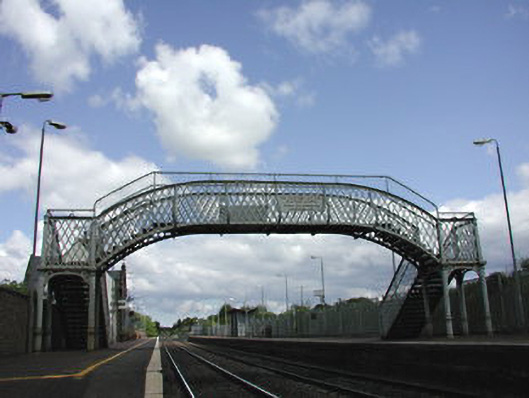 Hazelhatch and Celbridge Railway Stationfoot bridge · 32 yd
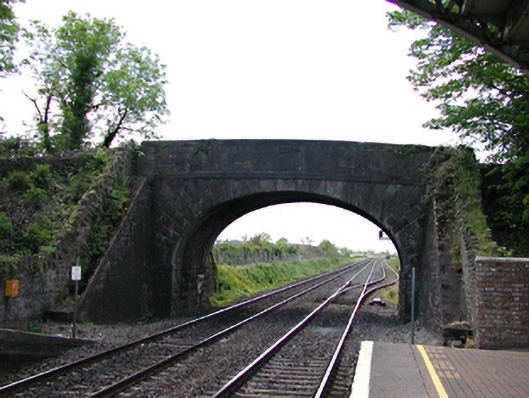 bridgebridge · 63 yd
 Earthwork in RingwoodEarthwork · 293 yd
 Enclosure in RingwoodEnclosure · 477 yd
 Grand Canal WayWalking route · 1.1 mi
 CastleCastle, tower house · 1.1 mi
 Castle (site of)Castle, unclassified · 1.2 mi
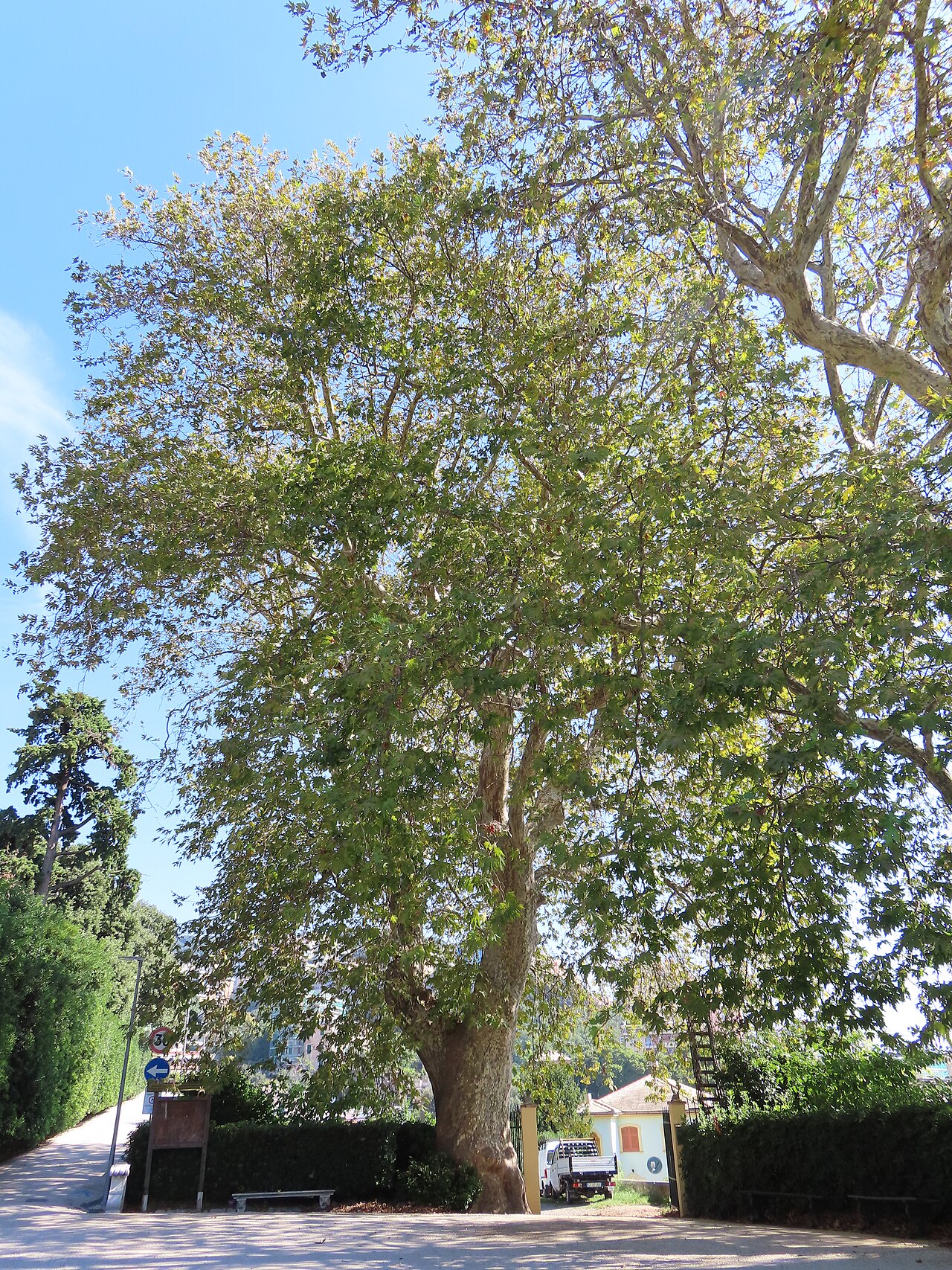 Oriental planeOriental plane · 1.2 mi
 John McLaughlinMemorial · 1.3 mi
 Arthur GuinessMemorial · 1.4 mi
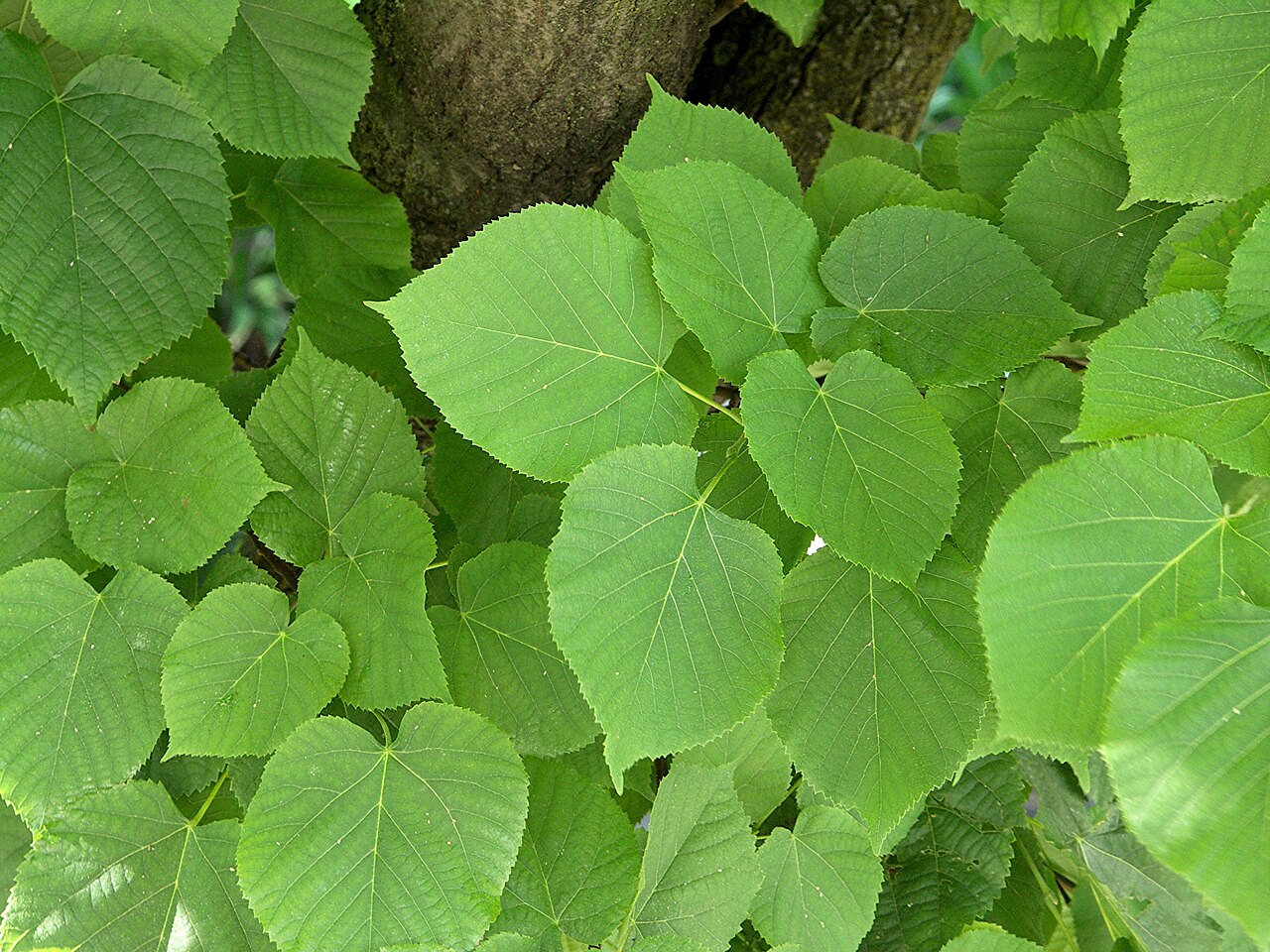 Common LimeCommon Lime · 1.4 mi
 Saint Wolstan'sHeritage attraction · 1.6 mi
Other information
Photo: Nigel Thompson · Creative Commons Attribution-ShareAlike 2.0