What is recorded here
Graveslab in Townparks North is a thirteenth or fourteenth-century Purbeck limestone slab, broken into two pieces and set into a disused doorway in the ruined chancel of St Patrick's church. It once bore a Lombardic brass inscription naming an archdeacon, but decay and time have erased most of the lettering, leaving only faint indents and a ghost of greenish metal. The slab travelled from Dorsetshire to County Meath, carrying a life now half-forgotten into a church that no longer stands complete.
From Potterton (2005, App. 13, 395, No. 2):
Thirteenth/fourteenth-century Purbeck slab
This monument was set by Butler into a disused doorway in the north wall of the ruined chancel of St Patrick's church (ME036-048012-). A recent examination confirmed that this badly decayed memorial slab, now in two pieces, is of stone imported from the Isle of Purbeck in Dorsetshire (Gittos and Gittos 1998, 5, 12, 13). Although usually described as ‘marble’, the stone from Purbeck is in fact a dark, fossiliferous limestone, favoured by masons in the thirteenth and fourteenth centuries. This late-thirteenth- or early fourteenth-century, coffin-shaped slab also has indents for a marginal Lombardic brass inscription, enclosed on both the inside and outside by a lcm-thick border. Conwell (1872-3, 400-01) noted that there was a speck of greenish metal remaining in the inscription when he inspected it in the early 1870s. With the exception of a small number of letters, the lettering on the matrix is now indecipherable. Even when Conwell was writing in the 1870s it was impossible to decipher the name of the ecclesiastic, but he was able to identify a cross followed by the letters IVID and space for about six more letters. The name is followed by an inscription which Butler recorded as...HIC: RECTOR: ET: ARC[HILE V1TES]: HIC: JACET: IRA: DEI: PACIFICETVR: El: (Butler 1854, 155). The word archilevites has been translated as archdeacon. In England, monuments of this type are known from as early as the 1270s, but the presence at the head of this slab of what was once identifiable as the bust of an ecclesiastic under a pinnacled and crocketted canopy, led King (1994, 124) to suggest a date in the first decades of the fourteenth century. A monument of similar style is the tomb of Sir Richard de Boselyngthorpe, at Buslingthorpe in Lincolnshire, which dates to c. 1290. [Length: 200cm; Width: 80-75cm; Depth of indent: c.2mm)
Medieval Christian funerary slab; 13th–14th century. Repurposed as part of a church structure, indicating reuse of materials in later ecclesiastical construction.
The monument record does not grant public access. Check the route and ask the landowner before entering private land.
- What survives
- Recorded monument
Places near here
 Saint Patrick's Cathedral (Trim)cathedral · 26 yd
 Cross in Townparks NorthCross · 37 yd
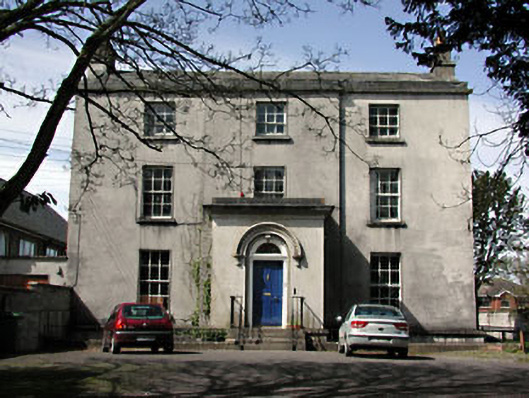 The Old Rectoryrectory/glebe/vicarage/curate's house · 129 yd
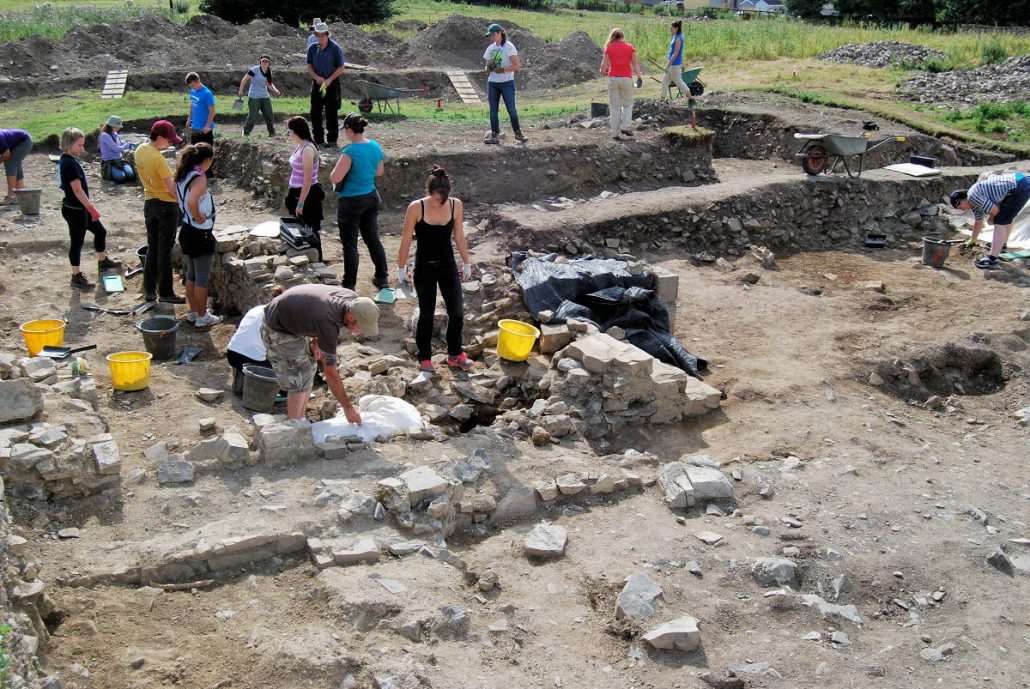 The Blackfriary Community Heritage and Archaeology ProjectArchaeological place · 227 yd
 CastleCastle, hall-house · 436 yd
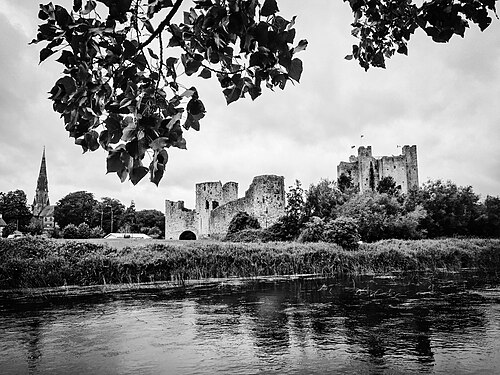 Trim CastleCastle, Anglo-Norman masonry castle · 511 yd
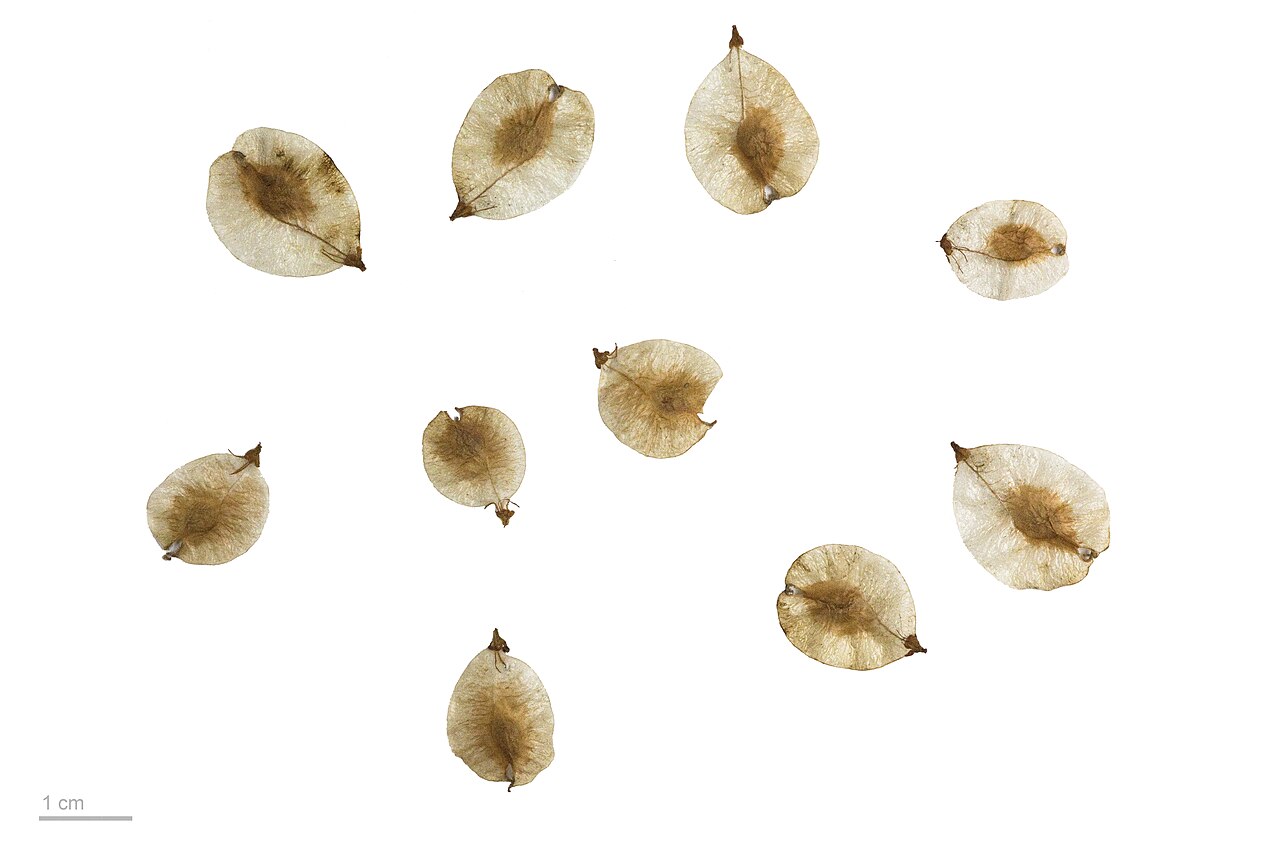 Small-leaved ElmSmall-leaved Elm · 3.6 mi
 Wych ElmWych Elm · 3.7 mi
 Tara Open StudioGallery · 7.6 mi
 Kilgar GardensHeritage attraction · 9.4 mi
 MullaghMountain / peak · 9.5 mi
 Old Bog Road made famous by Teresa Bryton 1868-1943Memorial · 9.5 mi