Places near here
Photo credits
- Joseph Mischyshyn, Geograph · CC BY-SA 2.0
- N Chadwick, Wikimedia Commons · CC BY-SA 2.0
- National Inventory of Architectural Heritage
- Patrice78500, Wikimedia Commons · CC BY-SA 3.0
- Vadim Manuylov, Wikimedia Commons · CC BY-SA 3.0
- dalvenjah on Flickr, Wikimedia Commons · CC BY-SA 2.0
- Kenneth Allen, Geograph · CC BY-SA 2.0
- Rossographer, Geograph · CC BY-SA 2.0
- Rossographer, Wikimedia Commons · CC BY-SA 2.0
 Lackagh BridgeBridge · 1.5 mi
Explorer Tom Lackagh Bridge was built around 1750 by William Wray and Thomas Smith, with £207 granted by the Donegal Grand Jury. Its single arch has a keystone that sticks out. I thought the keystone was demanding the whole budget for itself; the rest of the dressed stones might disagree.
 Doe CastleHeritage attraction · 2.1 mi
Explorer Tom Doe Castle has water on three sides and a moat cut into rock on the fourth. I would call that a tidy defence, if I were not the fellow trying to get in. A Quinn family stronghold rose around 1420; the MacSweeneys held it by the 1440s and gave this Donegal corner a long clan story. The four-storey tower stands within outer walls on its peninsula, looking across Sheephaven Bay. Owen Roe O'Neill landed here in 1642 on his return to lead an Ulster army, a date the walls have carried through several later changes of owner. Restoration in the 1990s gave the tower its present shape. The grounds can be visited, while tours inside may be limited, so check before promising yourself the top floor. Walk the landward side and notice the moat first. If I had to choose a castle address, I would let the water do half my work too.
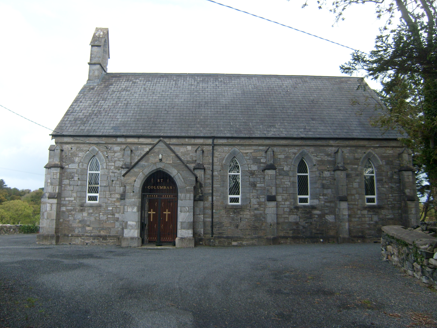 Saint Columba's Church (Kilmacrenan)Church/chapel · 2.3 mi
Explorer Tom Saint Columba's Church (Kilmacrenan) was built in 1847, but it keeps a font from 1684 inside. That tiny basin is older than the whole stone shell around it! I bet it has been sitting there quietly, listening to centuries of sermons without once spilling a single drop.
 Loughsalt MountainMountain / peak · 2.9 mi
Explorer Tom Right then, we’re heading up Loughsalt Mountain, a proper peak in County Donegal that sits at 469 metres. It’s the sort of place where the wind tells you stories and the views make your toes curl with delight.
 Ards Friary Coastal LoopOfficial walking route · 3.0 mi
Explorer Tom Ards Friary Coastal Loop would bring a bottle of wine and a dramatic monologue about its own decay to any party it attended. It’s a loop that feels like it’s trying to tell you a secret but keeps forgetting the punchline mid-sentence. Visit, then text me what you think. I'll pretend to read it.
 Monterey Cypress3.0 mi
Explorer Tom Monterey Cypress in County Donegal would have told Saint Patrick to go away because he was blocking the light and making too much noise about snakes. It’s got that old-tree wisdom where it knows better than to get involved in religious debates. Visit, then text me what you think. I'll pretend to read it.
 Monterey Pine3.0 mi
Explorer Tom Monterey Pine in County Donegal was saved by a hero nobody remembers, who probably just shouted 'don't cut that' while eating an apple. It’s standing there looking very Californian in the middle of Irish drizzle, which is quite rude really. Stand on the spot and imagine the gossip it's heard.
 Caife Na SraideCafé · 3.6 mi
Explorer Tom Caife Na Sraide in County Donegal is on the street, so expect to share your pastry with pigeons. It's charming, it's chaotic, and the coffee is probably strong enough to wake the dead. Make a wish, it's had centuries of practice at this game.
 Carrigart HotelHotel · 3.7 mi
Explorer Tom Carrigart Hotel on Main Street is where ghosts go to relax after haunting castles all day long. Ask for room four; if it’s cold, just say you prefer the arctic breeze there. Best visited with a curious kid and no timetable.
 Clonmass IslandIslet · 4.1 mi
Explorer Tom Clonmass Island in County Donegal was designed by a mother-in-law who wanted to make sure nobody could get comfortable there. It sits right next to Little Isle, acting like the strict older sister of the whole bay. Spot the oldest stone on the beach and give it a proper name.
 DowningsOfficial bathing water · 4.7 mi
Explorer Tom Downings gets to sit snug in Sheephaven Bay while Rosguill takes the Atlantic full in the face. I can almost hear the peninsula boasting about the arrangement. Donegal tourism lists windsurfing here, though the wind gets the final say on any plans for the water.
 Ballymore Lower Tomb near DunfanaghyMegalithic tomb · 4.9 mi
Explorer Tom Ballymore Lower Tomb near Dunfanaghy offers a massive view toward Muckish Mountain, even if the stones themselves are a bit of a puzzle. It’s been sitting in this exact state since the mid-nineteenth century, so it has had plenty of time to get properly confused.
More historic places in County Donegal · All of County Donegal

What do you know about this place?Tap to add a comment or ask a question