What is recorded here
No grave exists beneath the bog, only a tall slab standing beside a shallow hole. Men dug that hole after the marsh swallowed the stone, inventing a death for Fionn Mac Cumhaill because an empty landscape felt like a forgotten promise. The bog gave back neither bone nor answer, but it gave back a story worth carrying home.
This feature, first shown on the 1848-9 edition of the OS 6-inch map, is on a bog-grown hill-ridge. It consists of a single slab on edge near the eastern side of a hole measuring 4m N-S 1.8m E-W and 0.5m deep in an uncut portion of bog. The slab is 2.8m long (N-S) 0.45m thick and 0.7m in exposed height. In around the middle of the 19th century the stone, said to mark the grave of the mythical hero Fionn Mac Cumhaill, was nearly covered by the bog (OS Revision Name Book, 1848-9), and so it appears that the hole has been dug since then. Despite the name accorded to the site on the OS 6-inch map, there is now no convincing evidence that the stone formed part of a megalithic tomb.
OS Revision Name Book, sheet 27 (1848-9), 24; L.W. Lucas 1962, 13; Ó Nualláin 1983a, 48, no. 166; SMR 1987, 27:20; RMP 1995, 27:20.
The above description was published in the 'Survey of the Megalithic Tombs of Ireland. Volume VI, County Donegal.' Compiled by: Eamon Cody (Dublin: Stationery Office, 2002).
Date of upload: 22 September 2008
A portal dolmen dating to the Neolithic period; its significance lies in its association with early megalithic funerary traditions in the region.
The monument record does not grant public access. Check the route and ask the landowner before entering private land.
- What survives
- Recorded monument
Places near here
 Cratlagh Earthen RingfortFairy fort / earthen ringfort · 1.9 mi
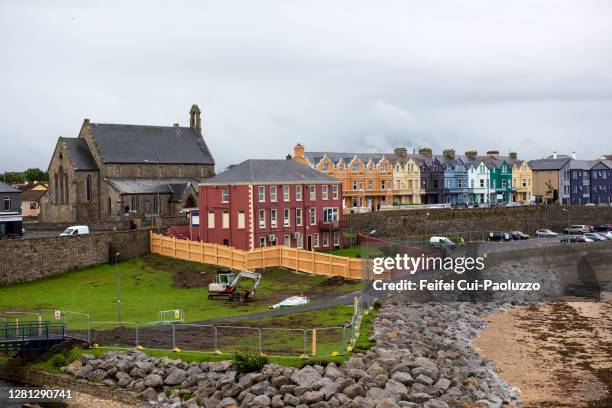 DoonbaneArchaeological place · 2.0 mi
 WoodquarterForest recreation place · 2.1 mi
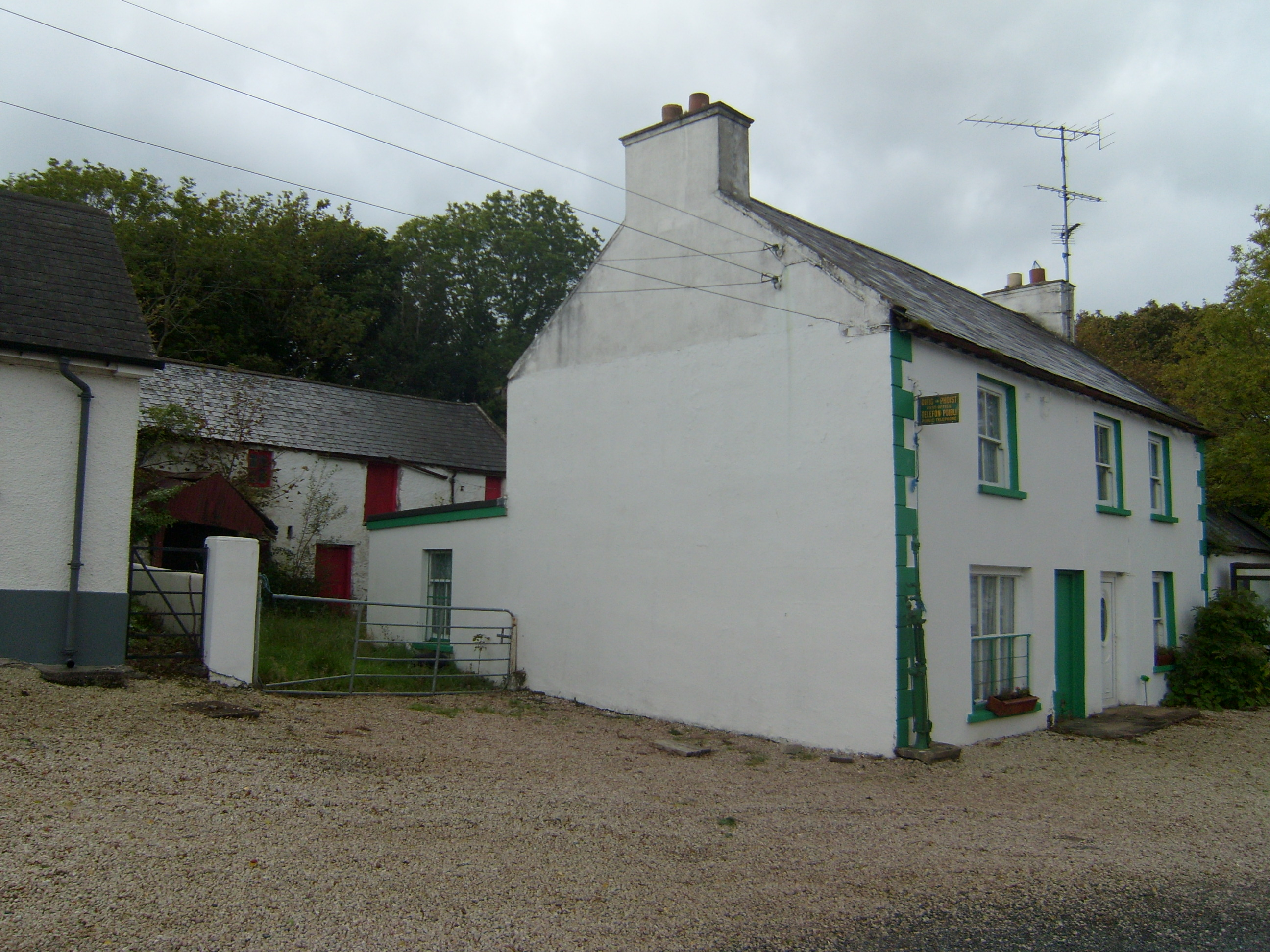 Glen Post Officehouse · 2.3 mi
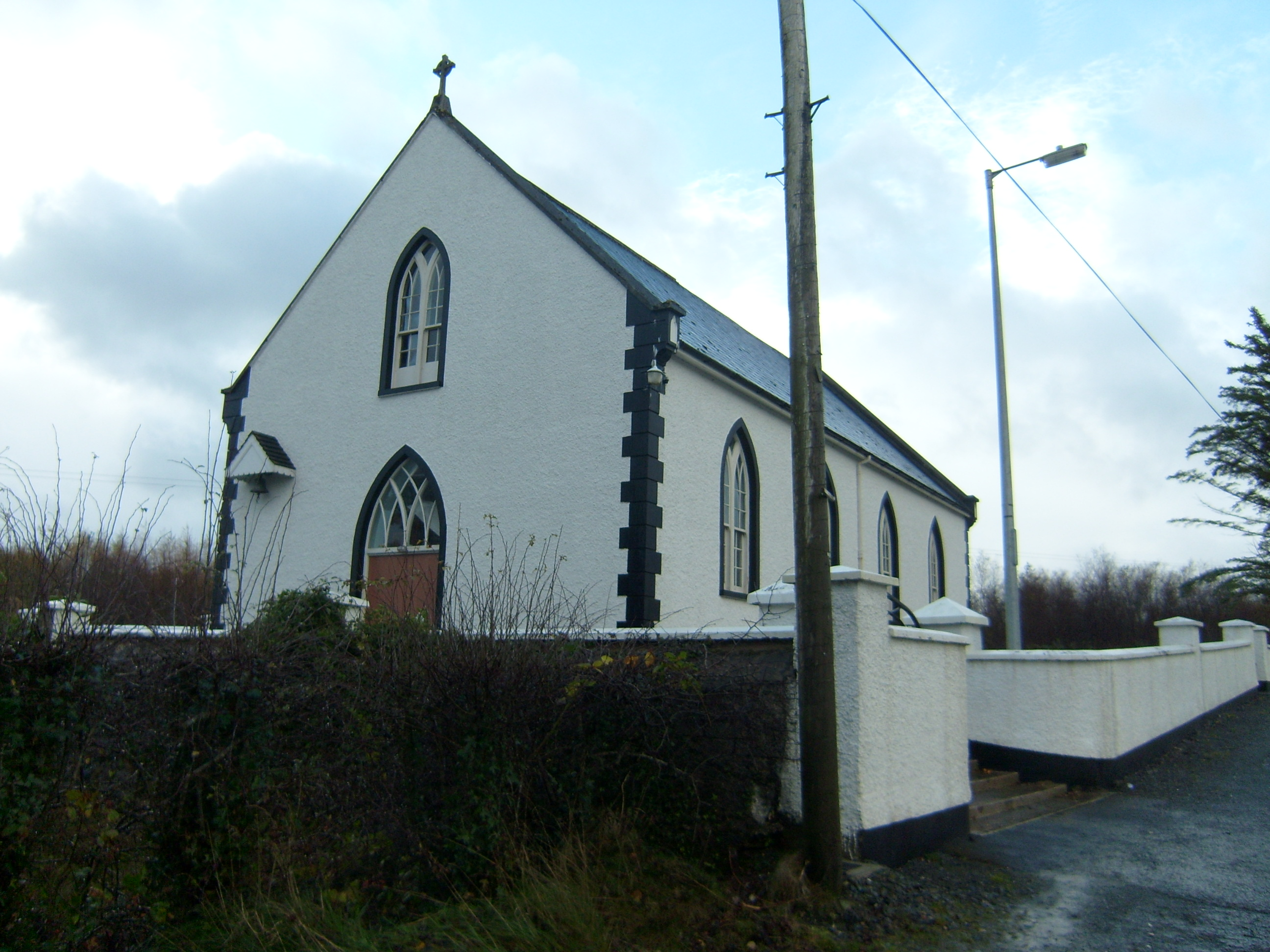 Saint Brigid's Catholic Churchchurch/chapel · 2.4 mi
 Cranberry IslandIslet · 2.6 mi
 Rough IslandIslet · 2.7 mi
 Loughsalt MountainMountain / peak · 2.8 mi
 Doe CastleCastle, tower house · 4.4 mi
 Àn Trá MorBeach / strand · 4.5 mi
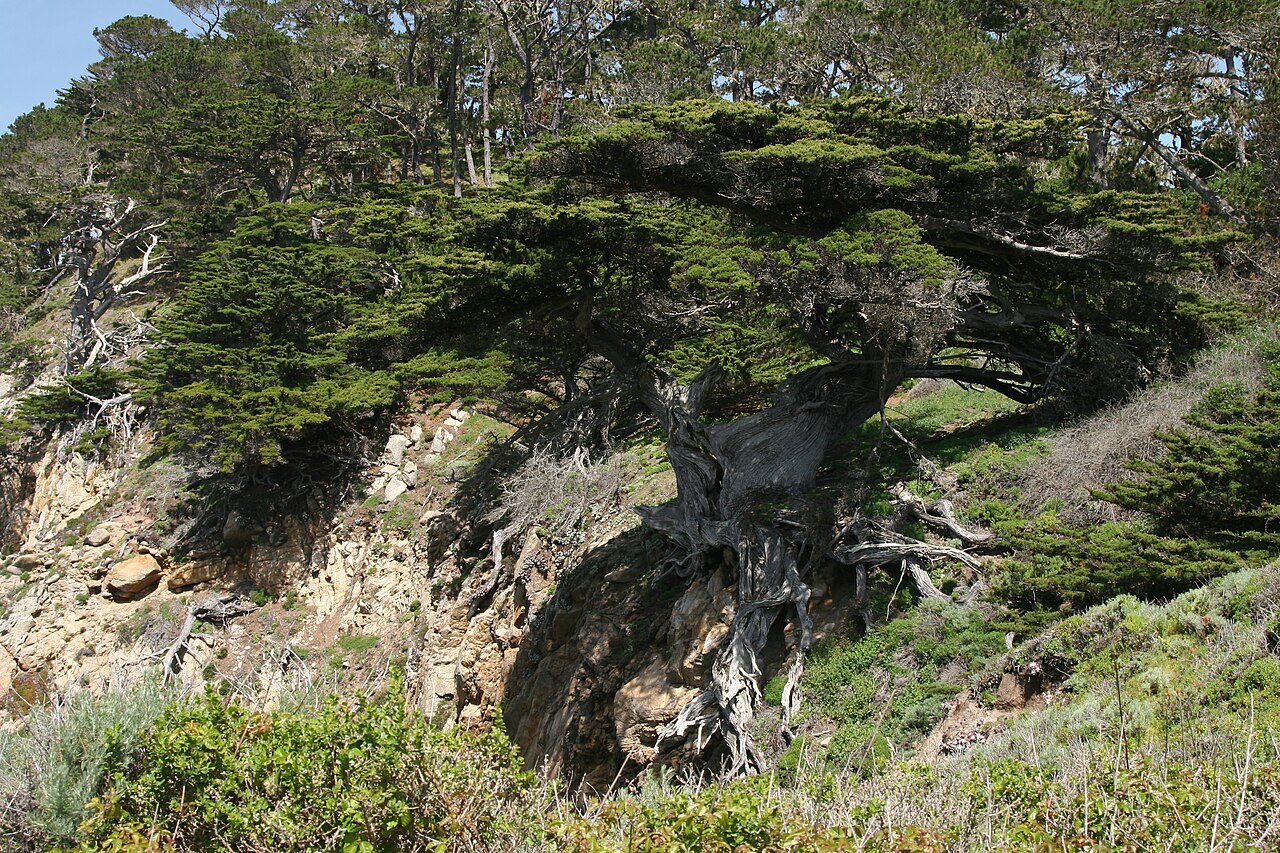 Monterey CypressMonterey Cypress · 5.0 mi
 Ards Friary Coastal LoopOfficial walking route · 5.0 mi