What is recorded here
Hot stones crashed into water, shaking the trough and filling the low ground with steam. People heated food, cloth or instruments beside the pond, then left the pit to rot and bury itself under centuries of silt. The industrial dig in 2007 opened that forgotten kitchen again, exposing heat-shattered rock and charcoal from nearly a thousand years before Christ.
In low-lying wet ground, to the S of an infilled pond. A spread of heat-shattered stones, under which was a series of pits including a trough, was discovered in 2007 during archaeological monitoring in advance of the construction of an industrial development. Three post-holes were recorded to the NW of the trough and ten stake-holes were to the S of a pit. The trough was c. 4m S of the pond. The pit was irregular in plan and the edges sloped into a second steep-sided pit that probably housed the trough lining. The fill comprised layers of heat-shattered stones and charcoal-rich silt and charcoal. This fulacht fia was radiocarbon dated to 996-920 cal. BC (2804±31) (UBA 8452). A second fulacht fia (CO076-120----) lies c. 220m to the NNW. (pers. comm. Rose M. Cleary)
The above description is derived from 'The Archaeological Inventory of County Cork. Volume 5' (Dublin: Stationery Office, 2009).
Date of upload: 22 December 2009
The monument record does not grant public access. Check the route and ask the landowner before entering private land.
- What survives
- Recorded monument
Places near here
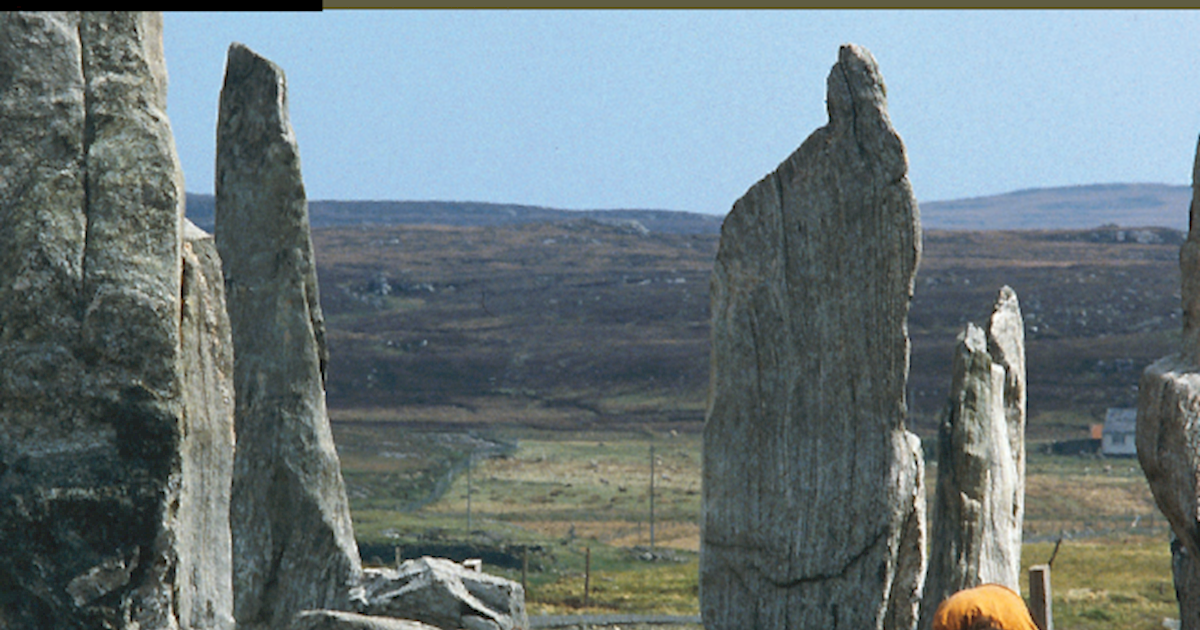 ExcavationExcavation, miscellaneous · 787 yd
 Fulacht fia in CarrigtohillFulacht fia · 920 yd
 Franciscan FriaryRuins · 1.1 mi
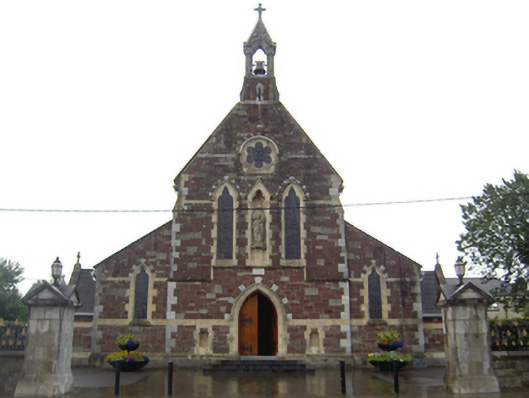 Saint Mary's Catholic Churchchurch/chapel · 1.2 mi
 Barryscourt CastleCastle · 1.3 mi
 Barrys Court Castle, Tower(s)Castle, tower house · 1.3 mi
 Ballyvodock Castle (in Ruins)Castle, tower house · 2.0 mi
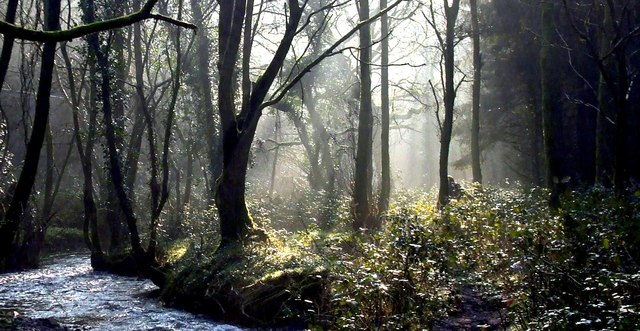 Curragh WoodsWood · 2.1 mi
 Rossmore BayBay · 2.1 mi
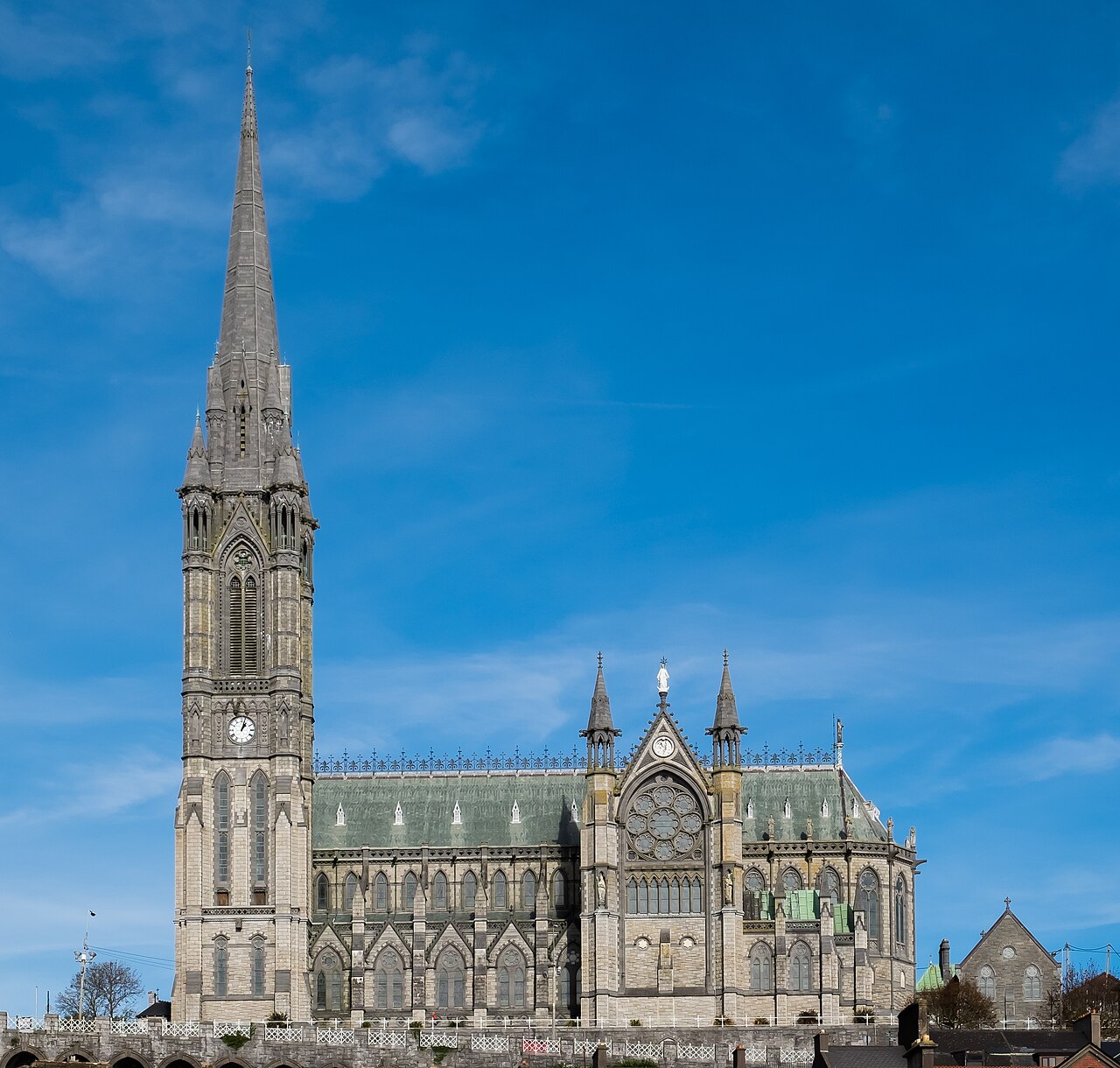 Saint Colman's Cathedral, CobhCathedral · 5.0 mi
 Cork Harbour TragedyMemorial · 5.0 mi
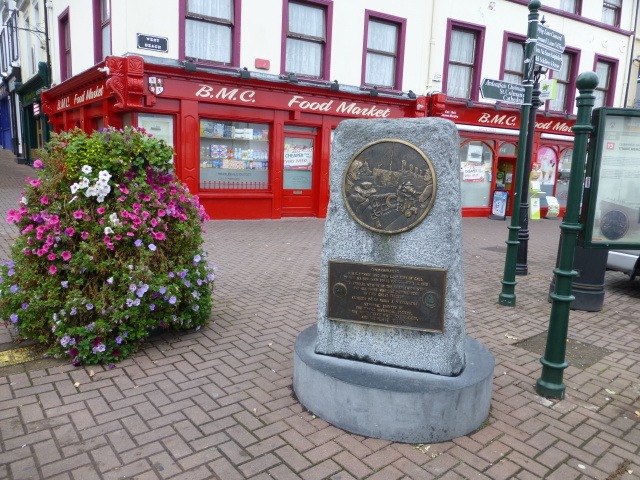 Titanic MemorialMemorial · 5.1 mi