
Places near here
Photo credits
- Stephen McKay, Wikimedia Commons · CC BY-SA 2.0
- Christine Matthews, Wikimedia Commons · CC BY-SA 2.0
- Olivier BEZES, Wikimedia Commons · CC BY 2.5
- N Chadwick, Wikimedia Commons · CC BY-SA 2.0
- Des Blenkinsopp, Wikimedia Commons · CC BY-SA 2.0
- Bilbo, Wikimedia Commons · CC BY-SA 2.0
- Peter Trimming, Wikimedia Commons · CC BY-SA 2.0
- User:Millfield Manager, Wikimedia Commons · CC BY-SA 3.0
 Forty HallListed building · 4 yd
 Lion Statue, Forty Hall, EnfieldMonument or public art · 51 yd
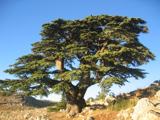 Cedar of LebanonLebanon Cedar · 51 yd
 Wrought Iron Screen and Railings at End of Forty Hill Near Junction of Clay HillListed building · 455 yd
 Statue, Myddelton House, EnfieldMonument or public art · 755 yd
 George III Monument, Myddelton House, EnfieldMonument or public art · 857 yd
 London loopVisitor information · 1188 yd
 Enfield CrematoriumCemetery · 1267 yd
 Whitewebbs WoodWood · 1621 yd
 Flash Lane AqueductArchaeological place · 1.0 mi
 Enfield War MemorialMemorial · 1.4 mi
 Dugdale CentreVisitor information · 1.4 mi
More things to do in London Borough of Enfield · All of London Borough of Enfield

What do you know about this place?Tap to add a comment or ask a question