
Places near here
Photo credits
- Suckindiesel, Wikimedia Commons · CC BY 2.5
- Rob Hurson, Wikimedia Commons · CC BY-SA 4.0
- National Inventory of Architectural Heritage
- Joe King, Wikimedia Commons · CC BY-SA 3.0
- Raymond Okonski, Geograph · Creative Commons Attribution-ShareAlike 2.0
- William Murphy from Dublin, Ireland, Wikimedia Commons · CC BY-SA 2.0
- Vadim Manuylov, Wikimedia Commons · CC BY-SA 3.0
- Livioandronico2013, Wikimedia Commons · CC BY-SA 4.0
- William Murphy, Wikimedia Commons · CC BY-SA 3.0
 Puck's CastleCastle · 120 yd
Explorer Tom Puck's Castle has the sort of name that invites me to blame every missing sock on a púca. The ruined tower near Rathmichael is thought to have been built around 1537, probably by Peter Talbot, as part of the Pale's defences. It stands three storeys high in its old form, about ten metres long and seven wide. The folklore name belongs to a shape-shifting spirit, but the masonry was built for very human arguments over land and security. I would happily invent a ghost tour until the castle's real history tells me to behave. Check present legal access and keep away from loose stone; a view from safe ground is enough. Notice how compact the tower is. It did not need to be large to make its point.
Bawn in RathmichaelBawn · 152 ydExplorer Tom Bawn in Rathmichael is an earthwork that explains the 1800s to a teenager like it’s a bad reality TV show. It surrounds Puck’s Castle, acting as the dramatic backdrop nobody asked for but everyone needs for context. It’s curvilinear and full of secrets. Take the long way round, it deserves the effort.
Rathmichael WalkWalking route · 558 ydExplorer Tom Rathmichael Walk in County Dublin spends all its time rearranging the leaves when nobody is looking, just to see if anyone notices the difference at all. It's a bit like playing hide-and-seek with the wind and always winning because you're rooted firmly in place. Pretend you're a lost aristocrat, nobody will check.
 Rathmichael ChurchChurch · 753 yd
Explorer Tom Rathmichael Church has been lying in ruins for four hundred years, but still hosts a graveyard party. St Michael is watching over it from the Carrickgollogan slopes. Don’t forget to check the landowner before you wander in!
 Ballycorus Lead WorksGates/railings/walls · 970 yd
Explorer Tom Ballycorus Lead Works gates are incredibly proud of how neat and tidy they look next to the manager's house, like they’re trying for a design award. They think they make a grand visual statement on Mine Hill Lane that everyone should appreciate. Grandly wave at them from your car window.
 Carrickgollogan HillMountain / peak · 1.0 mi
Explorer Tom Carrickgollogan has a view of Dublin and Wicklow, but its strangest feature is a chimney that once worked a very long distance from the fire. The Ballycorus lead works built a flue about two kilometres long up the hill in 1836, letting metal in the fumes settle before smoke escaped. The granite chimney became so visible that sailors used it as a landmark. I would offer to sweep the flue with one enormous brush, and be told to go and read the plans. The hill rises 276 metres above Rathmichael and Shankill, with woodland and heath on top. Check the current public trail, stay out of ruined industrial structures and keep to safe paths. Find the chimney in the landscape; it is a remarkable monument to both invention and pollution.
 Tully Grave YardGraveyard · 1.1 mi
Explorer Tom Tully graveyard is where a goat once ruled with an iron hoof, demanding tribute in exchange for not eating all the flowers. It sits beside a lane at the foot of the Dublin mountains, surrounded by enclosures that look like giant stone hula hoops. Perfect spot to practise your best tour-guide voice.
Barnaslingan - Scalp Lookout TrailWalking route · 1.1 miExplorer Tom Barnaslingan - Scalp Lookout Trail in County Dublin has a secret talent for making you feel taller than you actually are, which is handy if you’re trying to impress someone or just need a bit of confidence before heading into town. It’s got that windy hilltop energy but with the vibe of a place where the sheep have more opinions about your life choices than you do. Sit on
 CrossCross, High cross · 1.1 mi
Explorer Tom The high Cross in Laughanstown has secrets that would make your head spin after just two pints of stout, like who actually carved that shingle design on the roof so perfectly. It’s been standing there since the tenth century, watching everyone come and go without saying a single word. Pretend it's yours and plan the housewarming.
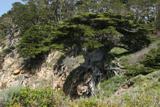 Monterey Cypress1.8 mi
Explorer Tom Monterey Cypress in County Dublin would survive a zombie attack by simply standing still and letting them think it’s a rock or a very confused scarecrow. It’s got that eerie, windswept look that makes it perfect for any horror movie set, even if the budget was low. Bring your nan, she'll know more than me about which branch is the spookiest.
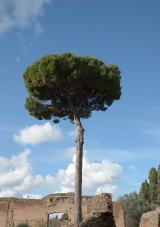 Stone Pine2.4 mi
Explorer Tom Stone Pine in County Wicklow nearly made the news when someone thought it was a rare species, but it turned out to be just a really good-looking pine. It’s been waiting for its moment of fame, maybe wearing a little hat, but nothing has happened yet. It’s got that 'I’m special' energy even though it’s just standing there doing its job. Have a sandwich here and call it a heritage lunch.
 Killiney BeachBeach / strand · 2.6 mi
Explorer Tom Killiney Beach lays a long line of rounded stones beneath its Dublin hillside, with Bray Head and Dalkey Island arguing for your attention across the water. I came expecting soft sand for a grand entrance; the pebbles gave my feet a more honest welcome. The beach is reached near Killiney railway station, with a walkway from the parking area and other ramped approaches. From the shore you can pick out Sorrento Terrace and the rocky edges of the bay. It is a public place for walking and, in suitable conditions, swimming, with summer lifeguard cover listed by the tourism service. That cover is seasonal. A calm-looking morning in October is not the same thing as a supervised summer swim. The stones shift and click underfoot as waves run in. I suspect they are gossiping about every visitor's choice of shoes, but they also make this strand feel quite different from Dublin's sandy beaches. Walk a little distance before settling on a view; Dalkey Island changes its place in the picture as you move. The railway nearby is part of the scene, though the safe routes to the shore use marked crossings and paths, never the tracks. Killiney is free to visit, and the local beach group helps organise clean-ups. Check current water notices and beach signs before entering the sea, and use the designated approaches. Bring footwear that can manage stones, then let this elegant bay persuade you that a beach needs no sand to hold a good afternoon.
More archaeology and monuments in County Dublin · All of County Dublin

What do you know about this place?Tap to add a comment or ask a question