
What is recorded here
Double lock, constructed c.1790, as part of Royal Canal. Ashlar limestone chamber walls with gate recesses, cast-iron mooring rings and dressed limestone coping. Replacement timber and mild steel lock gates with timber balance beams. Walls of lower chamber slope up to middle gate with replacement stone steps. Recesses for stop gates to east end. Walls to west end expand to form canal harbour with dressed limestone walls. Squared rubble limestone wall with segmental coping to north. Westmoreland Bridge located to east and former flour mill to southwest.
This lock was named for the Earl of Westmoreland, who laid the first stone at this site in 1790. The chambers exhibit good quality stonework, with attractive sloping edges to cope with the change in height between the lower and higher levels. One of a number of double-chambered locks on this stretch of the canal, it attests to the skills of the engineers employed by the company. The setting of the lock is enhanced by the presence of a number of other industrial structures, including Westmoreland (now Crossguns) Bridge, the adjacent railway bridge, the former North City Flour mills and a former railway siding. The Royal Canal Company was established in 1789 to construct a canal to provide freight and passenger transport between Dublin and the River Shannon.
From the Buildings of Ireland (National Inventory of Architectural Heritage) record 50060184
This does not grant access. Most recorded buildings are privately owned; view them only from public ground unless the owner allows entry.
Places near here
 Cross Guns BridgeBridge · 45 yd
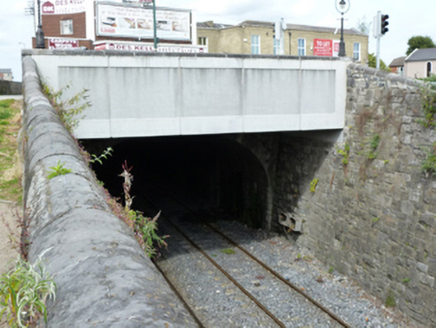 Cross Guns TunnelTunnel · 52 yd
 North City Flour MillsMill (water) · 57 yd
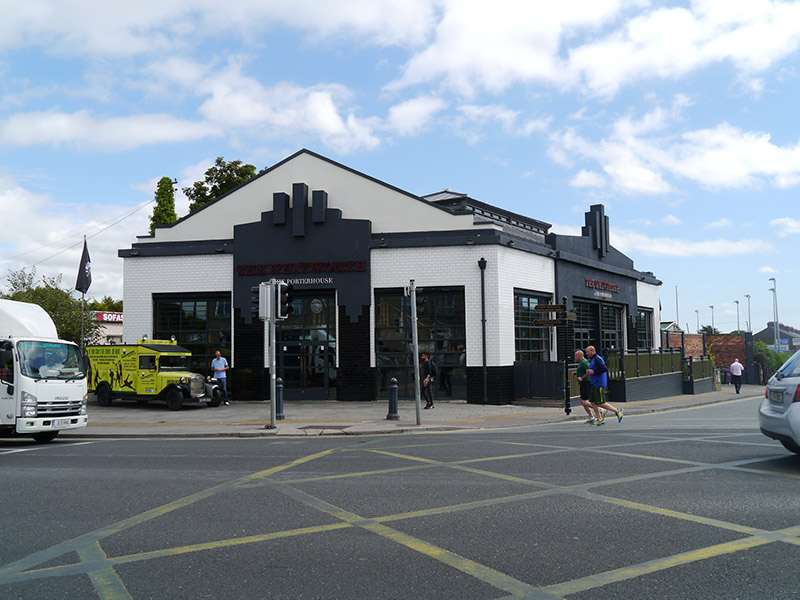 The PorterhouseGarage · 73 yd
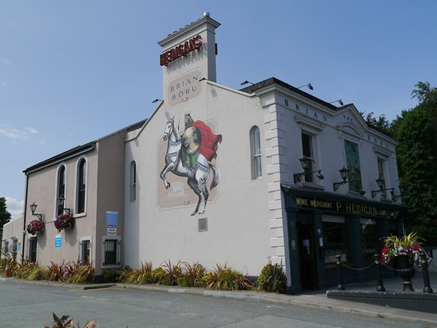 P. Hedigan\The Brian BoruPublic house · 91 yd
 Frank DuffMemorial · 176 yd
 Irish Volunteers memorialMonument · 482 yd
 Glasnevin cemetery Ireland's necropolisVisitor information · 629 yd
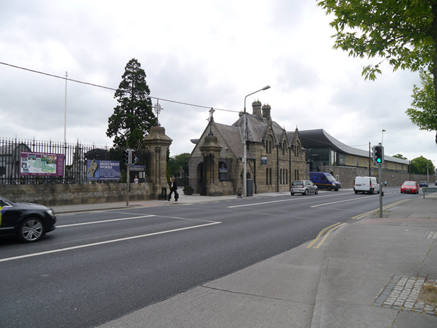 Glasnevin CemeteryGates/railings/walls · 747 yd
 The O'Connell TowerHeritage attraction · 774 yd
 Chinese Toon865 yd
 Caucasian zelkova868 yd
Pictures: Gareth James, Geograph · CC BY-SA 2.0; National Inventory of Architectural Heritage; Cograng, Wikimedia Commons · CC BY-SA 4.0; Eric Jones, Geograph · CC BY-SA 2.0; Windmemories, Wikimedia Commons · CC BY-SA 4.0; Kurt Stüber [1], Wikimedia Commons · CC BY-SA 3.0
More historic places in County Dublin · All of County Dublin
What do you know about this place?