Places near here
Photo credits
- Sitomon, Wikimedia Commons · CC BY-SA 2.0
- National Inventory of Architectural Heritage
- Martin Richard Phelan, Geograph · Creative Commons Attribution-ShareAlike 2.0
- Andreas F. Borchert, Wikimedia Commons · CC BY-SA 4.0
- Mike Searle, Geograph · CC BY-SA 2.0
- N Chadwick, Geograph · CC BY-SA 2.0
- A.-K. D., Wikimedia Commons · CC BY-SA 4.0
- Algirdas at Lithuanian Wikipedia, Wikimedia Commons · Public domain
- Jonathan Thacker, Geograph · CC BY-SA 2.0
- Chmouel Boudjnah Original uploader was Chmouel at fr.wikipedia, Wikimedia Commons · CC BY-SA 3.0
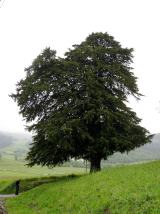 European Yew60 yd
Explorer Tom This European Yew in County Tipperary claims to hold the world record for looking the most unbothered by everything happening around it. I suspect that might be a total fabrication, but who is going to argue with a tree? Ideal for a moody photo you'll pretend wasn't posed.
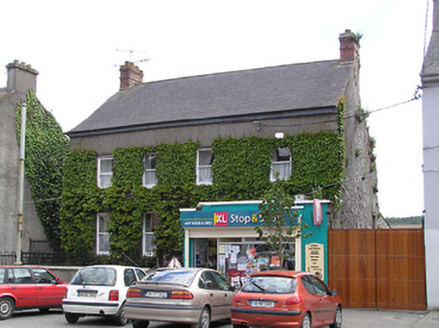 Ivy VillaHouse · 69 yd
Explorer Tom Ivy Villa in Fethard looks like a modern, polite house from the outside, but it’s hiding a medieval skeleton underneath all that nice paint. The first owner had an escape plan involving a secret window, which is always useful when you’re hiding from the law. Just admire the facade and try not to scratch at the walls looking for hidden doors!
 Grave YardGraveyard · 72 yd
Explorer Tom Graveyard in Fethard had a fiddler who played there all night until the stones started dancing. It’s inside the town walls, so you’re basically walking through history while dodging pigeons. Bring wellies and low expectations, leave delighted.
 Holy Trinity Church (Fethard)Church/chapel · 83 yd
Explorer Tom Holy Trinity Church in Fethard would complain to the council that the pigeons are unionizing and demanding better perching conditions. It’s been around since medieval times, so it has plenty of stories to tell if you’re willing to listen to the stone talk. Ending idea: Never copy
Church in FethardChurch · 84 ydExplorer Tom Church in Fethard has strict rules for visitors: no touching, no shouting, and absolutely no asking why the walls look like they’ve been chewed on. It’s been there since 1208 so it expects you to know your manners and act polite. Linger, it's not going anywhere and neither should you.
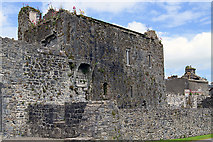 Edmond's CastleCastle · 129 yd
Explorer Tom Edmond’s Castle employed a matchmaker who specialized in pairing knights with lances for maximum combat efficiency and romance. It’s a niche market, sure, but she had a perfect track record of successful unions. Sit on a wall near it and pretend you're in a painting.
 IndicatedCastle, tower house · 130 yd
Explorer Tom Castle in Fethard sits right next to the church graveyard because it’s too shy to stand alone in the open field without a witness. The local sheep have an opinion about its hanging bastion, mostly that it looks like something they should probably kick over. Snap one photo, then put the phone away and actually look.
 Sheela-na-gig in FethardSheela-na-gig · 188 yd
Explorer Tom Sheela-na-gig in Fethard makes a sound at night that is basically a long, disappointed sigh followed by a crunch of gravel. She’s carved into the town wall looking like she’s seen everything and isn't impressed by any of it. Walk past slowly like you're in a film.
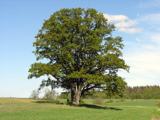 Pedunculate Oak1.5 mi
Explorer Tom Pedunculate Oak in County Tipperary is currently being managed by a very aggressive dog who barks at anyone who comes too close to its trunk. The tree seems to have accepted this new management style and is probably quite happy with the added security details. Grand place for a sulk or a snog, your call.
 Hore AbbeyHeritage attraction · 9.3 mi
Explorer Tom Hore Abbey sits below the Rock of Cashel looking as if somebody dropped a second great ruin into the picture for good measure. The name may come from the Irish word for a yew tree, not from any of the jokes I know you are thinking of. Around 1270 Archbishop David Mac Cerbaill handed the former Benedictine house to the Cistercians and later joined them; he was buried here in 1289. Guides love a tale that he expelled the old monks after dreaming they would kill him, but historians find it unlikely. I could tell it more dramatically and still be wrong. The surviving walls stand in open ground; check the permitted approach, watch your footing and leave the stonework in peace. Look up from the abbey toward Cashel's skyline. Two huge histories are trying to get into one photograph.
 Caher AbbeyHeritage attraction · 11 mi
Explorer Tom Caher Abbey in County Tipperary is secretly proud of one specific potato that grew near its wall and somehow survived the famine despite all odds. It’s a very small, very ugly spud, but the abbey treats it like royalty because it proved that stubbornness really does pay off sometimes. Wave at the cows, they're the real locals.
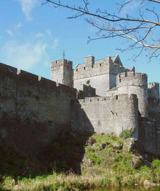 Siege of Cahir CastleSiege · 12 mi
Explorer Tom The Siege of Cahir Castle happened when someone got really angry about walls and probably ran out of bread. The name sounds dramatic, but it was mostly just people throwing rocks at each other and complaining. The castle is still there, pretending it didn’t get a bit of chipping. Pick a stone, any stone, and invent its biography.
More historic places in County Tipperary · All of County Tipperary

What do you know about this place?Tap to add a comment or ask a question