What is recorded here
In 390BC a person was cremated inside a shallow Kerry pit, the charcoal buried over a quartz stone as if returning heat to the earth. Two thousand years later a house excavator bit through the memory, exposing fire-red clay and cream gravel still hardened by ancient flame. The dead did not leave empty; they left texture, temperature and a marker beneath the soot.
'During the unlicensed monitoring of the digging of house foundation trenches for a private dwelling at Rockfield, Ballymacelligott, a large pit was partially truncated by the mechanical excavator. The pit was truncated on its south-western side, but around two thirds of its circumference was still extant. The remaining portion of the pit measured 1.06m north-west/south-east by 0.74m and 0.6m deep. The pit was filled with three different layers of material: an upper topsoil layer, a middle layer of grey, silty clay and a lower layer of pure wood charcoal, 0.27m deep. Fragments of cremated bone were recovered from the lower two layers of fill, as were numerous heat-shattered red sandstone cobbles. The cream-coloured gravel subsoil that formed the walls of the pit had been baked hard and fire reddened by in situ burning. The lower fill of pure charcoal appeared to have been redeposited, possibly following the retrieval of cremated bone, as it rested on a large unburnt lump of quartz, placed in the base of the pit. Charcoal from this pit produced a radiocarbon date of 2190+/-60 BP (calibrated σ2 390-60BC), placing it firmly in the Early Iron Age.'
Description from ‘The Prehistoric Settlement of the Lee Valley, Tralee, Co. Kerry; A Landscape Perspective’ by Michael Connolly. PhD Thesis UCC 2008
Date of upload: 11 July 2012
The monument record does not grant public access. Check the route and ask the landowner before entering private land.
- What survives
- Recorded monument
Places near here
 Site of Rockfield Ho.Castle, unclassified · 370 yd
 LissaphuraArchaeological place · 1447 yd
 Enclosure in Ballydwyer EastEnclosure · 1520 yd
 Site of McElligotts CastleCastle, unclassified · 1.1 mi
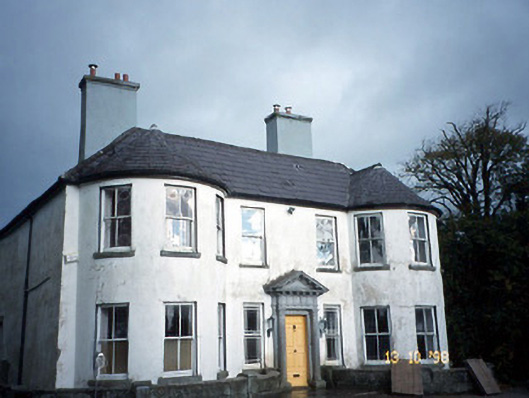 Arabela Househouse · 1.2 mi
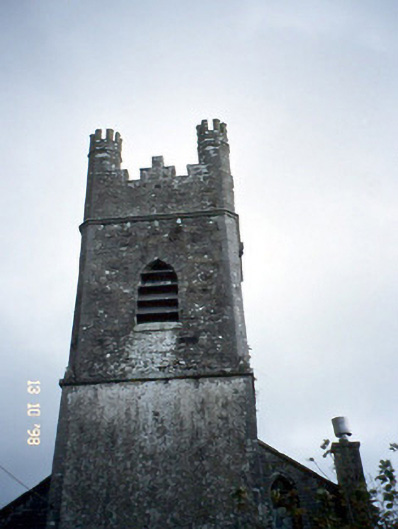 Ballymacelligott Churchchurch/chapel · 1.3 mi
 PoulatouirtCave · 2.3 mi
 Poulclashcannon (blocked)Cave · 2.4 mi
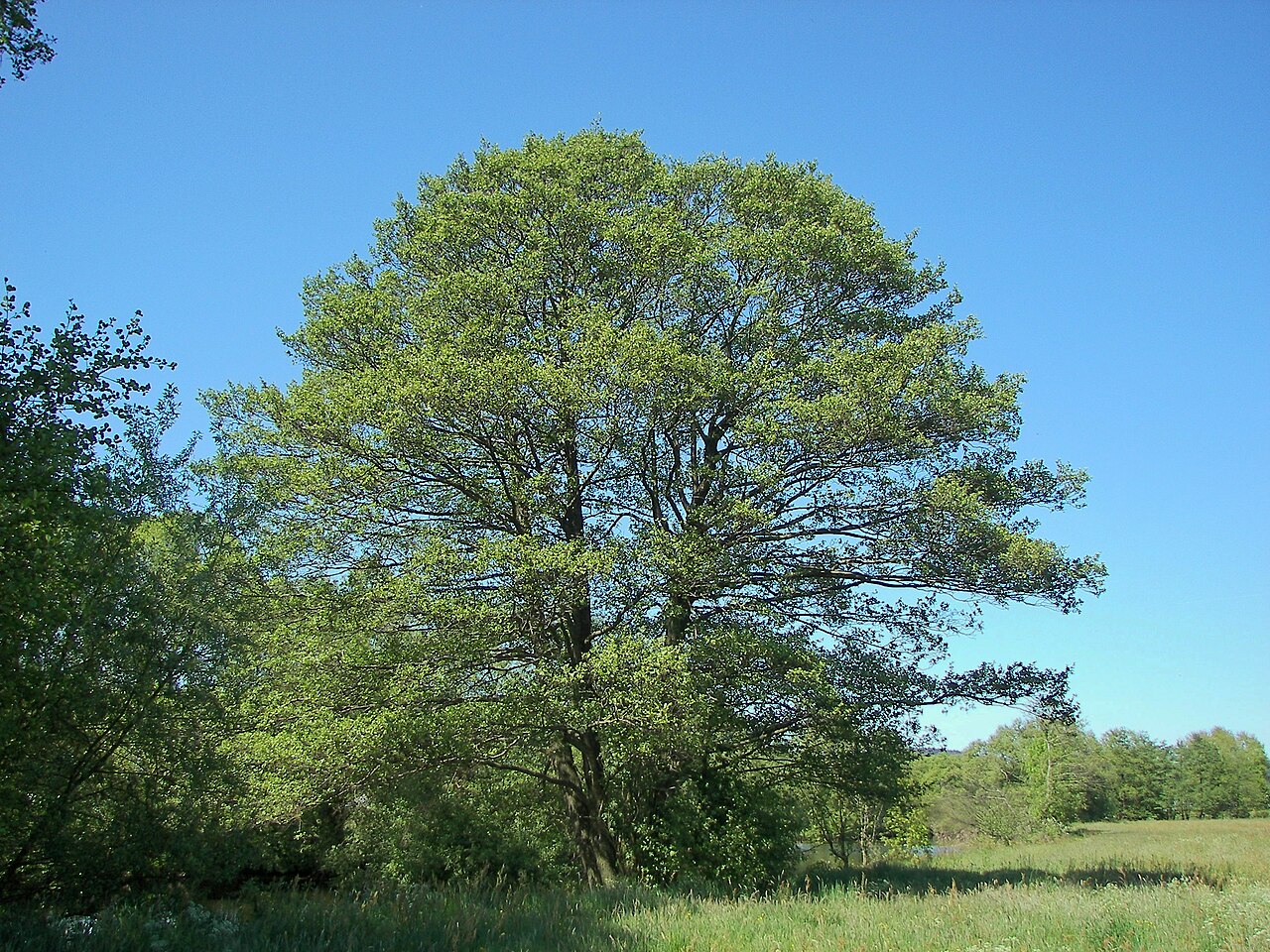 Common AlderCommon Alder · 3.1 mi
 Monument WoodWood · 3.5 mi
 Ballincollig HillMountain / peak · 4.2 mi
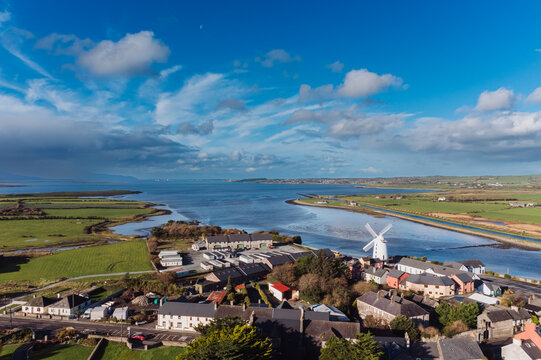 CruslineMountain / peak · 4.9 mi