What is recorded here
Cloghermore held two kinds of death before it became a story. The first phase belonged to a small local non-Christian population in the 8th century, and the second received six burials of Scandinavian character in the late 9th century. Bone, cremated animal remains and more than three hundred artefacts filled the place, while one articulated burial stood apart from the rest. Whatever enclosure they built around that cave, it was not a boundary for the living but a chamber where forgotten people could be remembered through what they left behind.
'The Cave at Cloghermore was excavated over two seasons between 1999-2000 under license number 99E0431. The site produced large quantities of disarticulated human and animal bone, as well as cremated animal bone, over 300 artefacts and a single articulated burial. The site is interpreted as being a two phase burial site, the first phase of use representing a small local non-Christian population in the 8th century, while the second phase involved the insertion of 6 burials (KE030-089----) of Scandinavian character in the late 9th century. A total of 19 radiocarbon dates were taken from the site.' (Connolly et al. 2005)
Description from ‘The Prehistoric Settlement of the Lee Valley, Tralee, Co. Kerry; A Landscape Perspective’ by Michael Connolly. PhD Thesis UCC 2008
The monument record does not grant public access. Check the route and ask the landowner before entering private land.
- What survives
- Recorded monument
Places near here
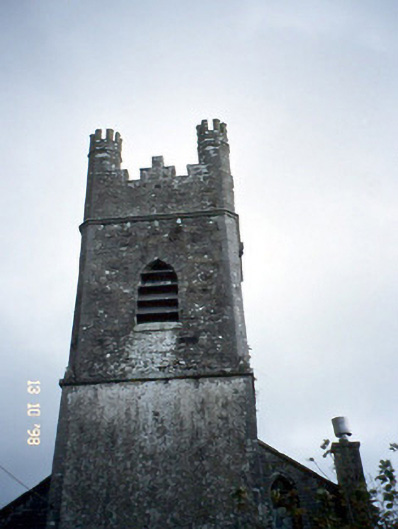 Ballymacelligott Churchchurch/chapel · 785 yd
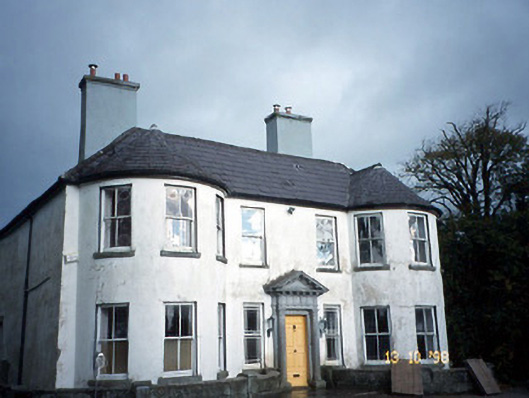 Arabela Househouse · 925 yd
 Site of McElligotts CastleCastle, unclassified · 942 yd
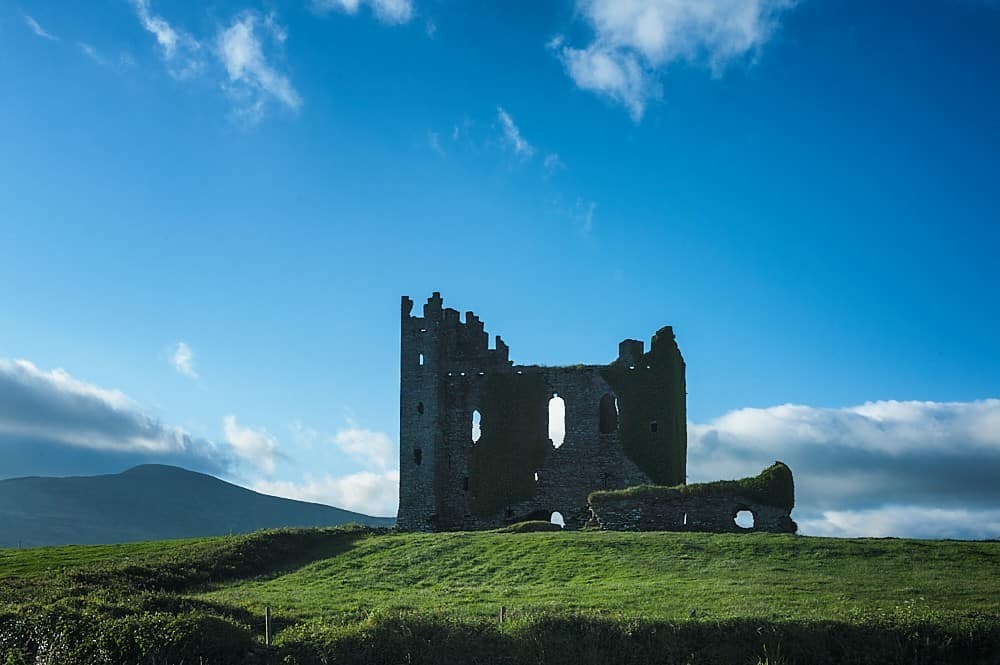 Enclosure in BallyfinogeEnclosure · 987 yd
 Field system in BallymacthomasField system · 1008 yd
 PoulatouirtCave · 1719 yd
 Bealagrellagh CastleCastle · 1.1 mi
 Poulclashcannon (blocked)Cave · 1.1 mi
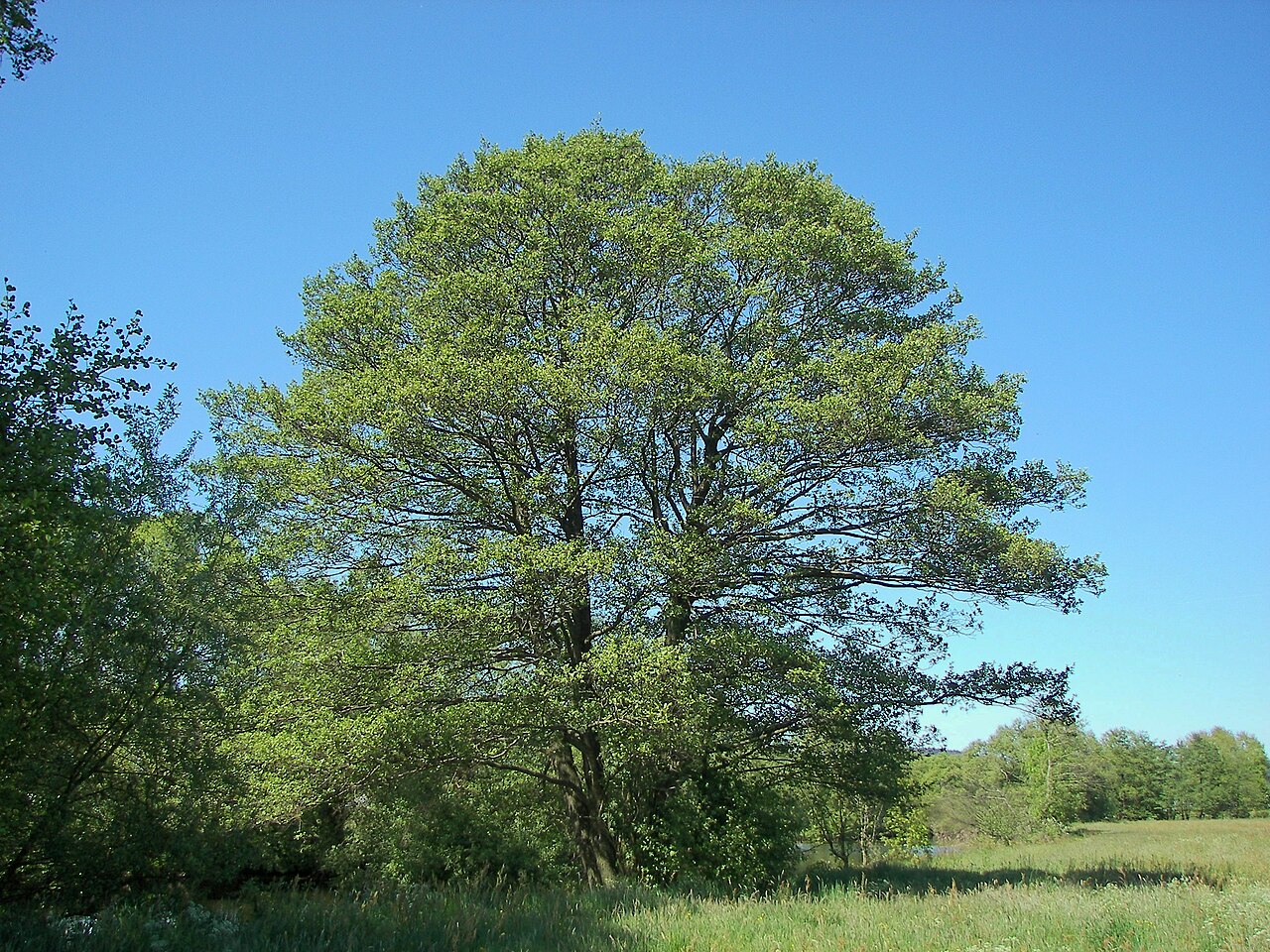 Common AlderCommon Alder · 1.6 mi
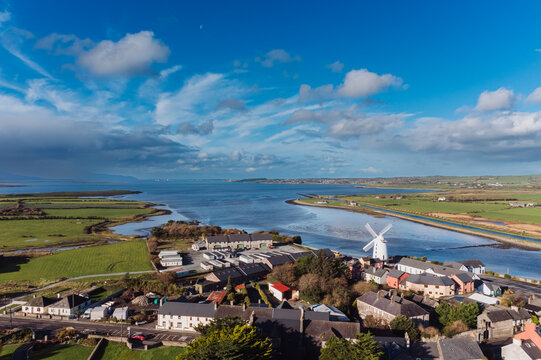 CruslineMountain / peak · 3.9 mi
 Civil War MemorialMemorial · 3.9 mi
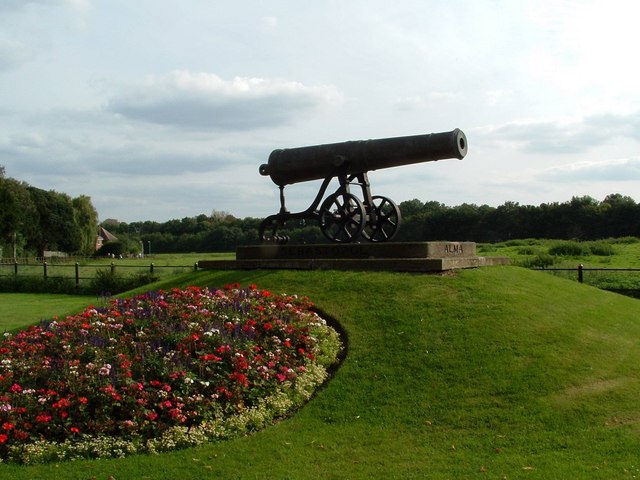 Crimea Cannon and War MemorialMonument · 4.3 mi