What is recorded here
Dysert Aenghusa stood inside a strong square wall that still showed fragments in 1868, marking the monastery of St. Aonghas and its Céile Dé community. The enclosure may have been a pre-Norman cashel built at the same time as the first church, giving the sacred precinct a defensible edge. Conn, son of Maelpadraig, served as erenagh there until his death in 1033, linking the place to Mungret and the wider circle of Aonghas.
Dysert Aenghusa (Diseart Aonghasa) was a monastery belonging to the 'Céile Dé' or 'Client of God' (Ó Carragáin 2010, 308). The monastery was dedicated to St. Aonghas who is also associated with Dyasrtenos (LA013-059001-), Co. Laois (Gwynn and Hadcock 1970, 383). In the year 1033 the Annals of the Four Masters recorded the death of ‘Conn, son of Maelpadraig, airchinnech [erenagh] of Mungairit [Mungret] and Disert-Oenghusa [Aonghasa]’ (O’Donovan 1856, 827). This reference links the monastery of Mungret (LI013-009001-), Co. Limerick located 13km to the NNE with Dysert-Aonghasa. This Aonghas appears to have been the Aonghas of Tallaght monastery (DU021-037002-) who wrote the metrical martyrology known as Féilire Aonghasa (Ó Riain 2011, 79). The preface added to the Féilire Aonghasa in the late twelfth century recorded details in his life which bring him from a church named after him at Dysert (Diseart Aonghasa), to Coolbanagher (Cúil Bheannchair) (LA008-014001-), a little north of Dysartenos (Diseart Aonghasa), in Laois, where he allegedly began his metrical martyrology, and finally to Tallaght, where he finished the Féilire Aonghasa (ibid.). Aonghas was reputedly buried at Clonenagh (LA017-003001-), Co. Laois, after his death some time between 815-830, his feast day was the 11th of March (Stokes 1905, xxvi).
Present remains consist of a multi-period church (LI030-018002-) with round tower (LI030-018004-) immediately to N with graveyard (LI030-018003-) to S of church as depicted on the 1st ed. OS 6-inch map. Dysert Church incorporates part of a pre-Norman church which appears to have stood inside a small square shaped cashel. This ecclesiastical enclosure was described in 1826 as following; 'The entire was surrounded with a strong square wall, parts of which still remain’ (Fitzgerald and MacGregor 1826, 332). In 1868 the enclosure was described as 'Some remains of the foundation of a massive wall which once inclosed the precincts of the church and tower are still in existence' (Brash 1868, 60-1). This square wall surrounding the pre-Norman church of Dysert Aonghusa may have served as a monastic cashel of pre-Norman date contemporaneous with the church.
Compiled by: Caimin O'Brien
Date of upload: 24 April 2018
The monument record does not grant public access. Check the route and ask the landowner before entering private land.
- What survives
- Recorded monument
Places near here
 Dysert AenghusaHeritage attraction · 8 yd
 Church (in ruins)Church · 11 yd
 Hachured (1924).Barrow, bowl-barrow · 863 yd
 Saint Mary's Presbyterypresbytery/parochial/curate's house · 1398 yd
 Burnt spread in CroomBurnt spread · 1426 yd
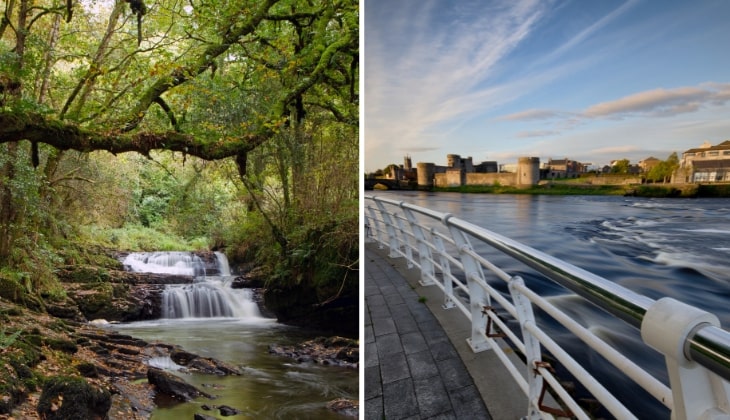 Biodiversity in the Maigue CatchmentVisitor information · 1.1 mi
 Bawn in DunnamanBawn · 1.5 mi
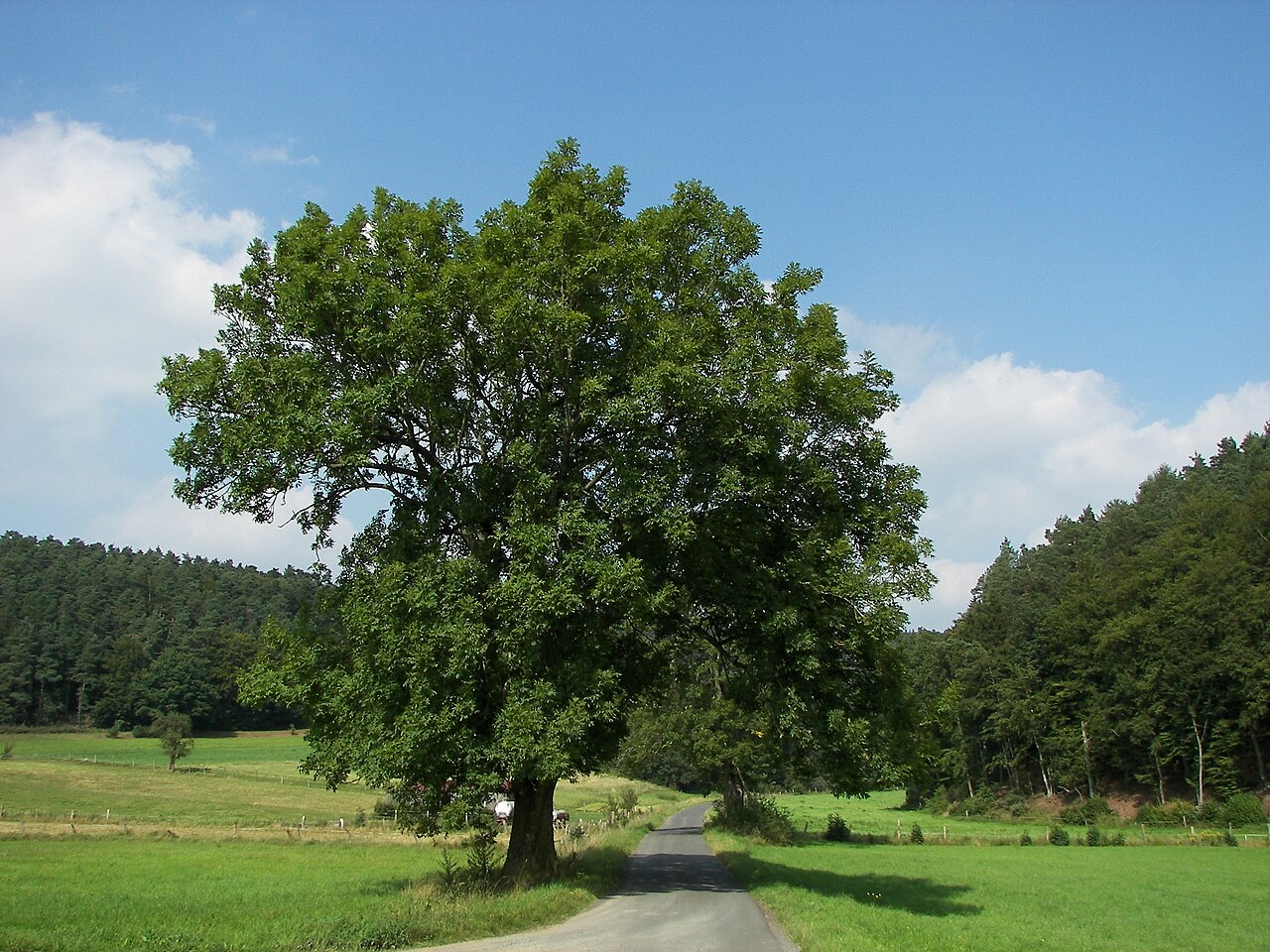 European ashEuropean ash · 1.7 mi
 CastleCastle, unclassified · 1.7 mi
 Kinnoor WellSpring · 1.8 mi
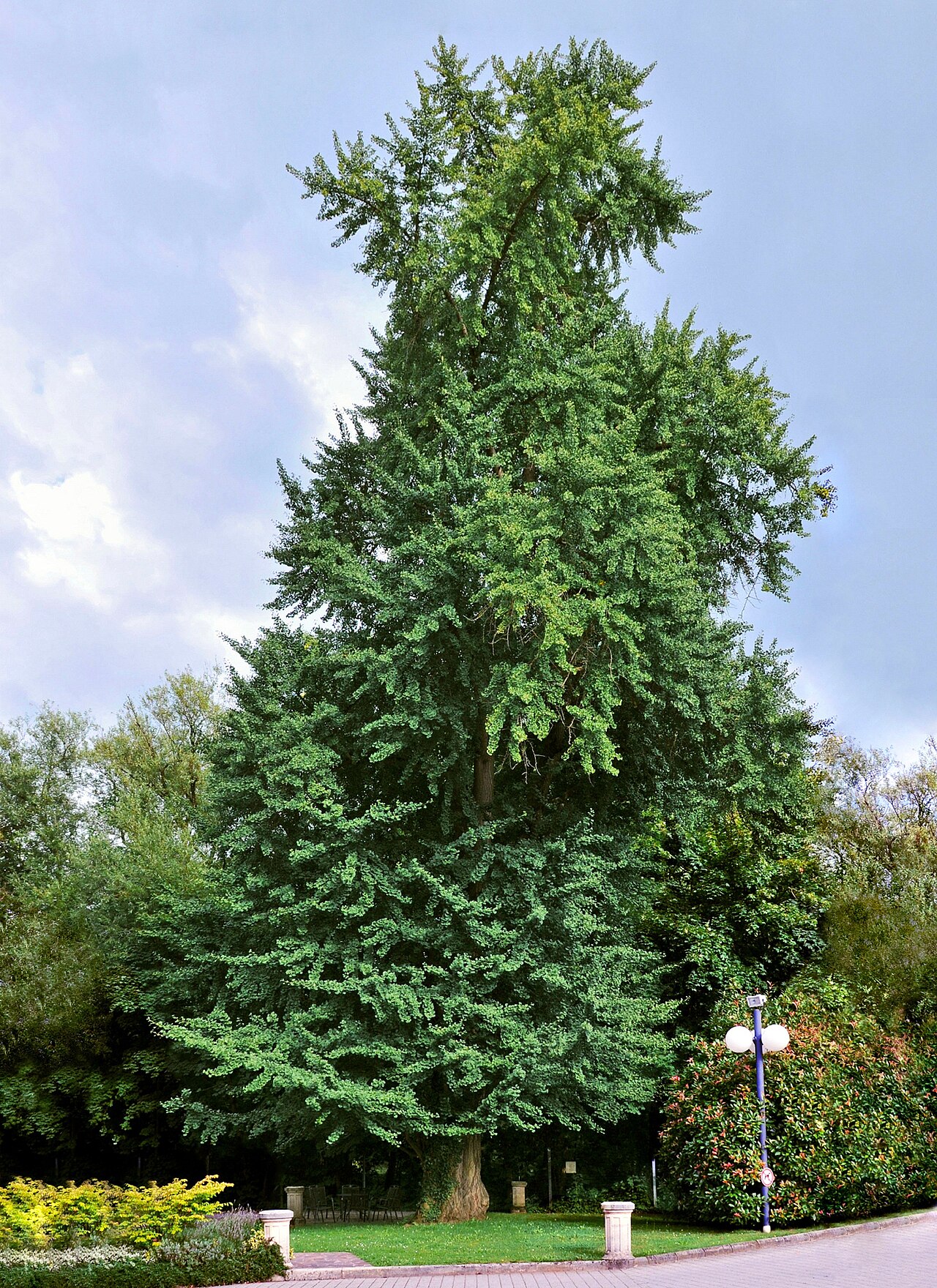 GinkgoGinkgo · 3.1 mi
 Monasteranenagh AbbeyHeritage attraction · 3.5 mi