What is recorded here
The following description is derived from the published 'Archaeological Inventory of County Meath' (Dublin: Stationery Office, 1987). In certain instances the entries have been revised and updated in the light of recent research.
Date of upload/revision: 10 July 2007
This great mound, comparable in original size with those at Newgrange (ME019-045----) and (ME019-030----), is not as well preserved. Much of the material to W was removed at various times in the past and in 1847, when in the course of excavation a large crater was dug into the top of the mound. This monument comprises a kerbed mound, 85m in diam., and 15m in H, covering two passage-tombs opening onto its W side. The N tomb, 12.5m long, is of cruciform shape; an annex of two chambers opens off S recess. A reconstructed stone basin lies in centre of chamber. S tomb is 8.25m long and comprises a short passage leading to a sub-circular chamber with a single recess opening off its SE side. A number of kerb stones and structural stones in both tombs bear megalithic art. (Man-made underground passage (ME020-017001-) built into the mound. (PRIA 1983, 5-190)
Neolithic passage tomb, dating to approximately 3500–2500 BCE. Dowth is part of the Brú na Bóinne complex, a UNESCO World Heritage Site, and is significant for its astronomical alignments and elaborate internal chamber structure.
The monument record does not grant public access. Check the route and ask the landowner before entering private land.
- What survives
- Recorded monument
Places near here
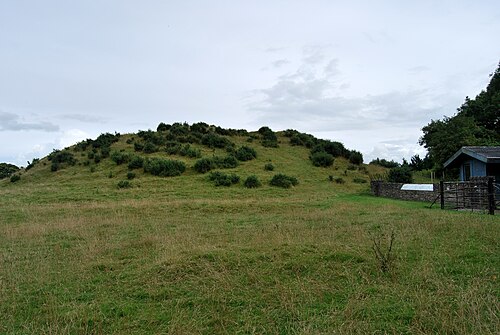 DowthNeolithic passage tomb · 149 yd
 St. Bernards WellHoly well · 188 yd
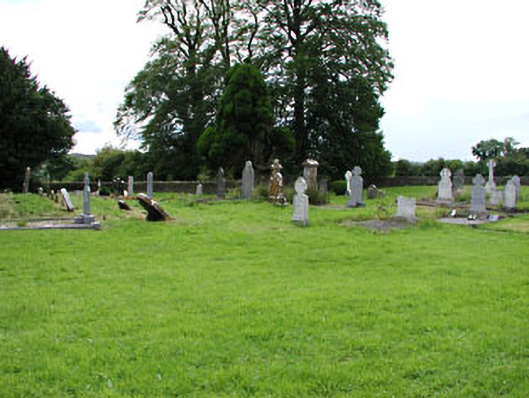 Netterville Manorgraveyard/cemetery · 211 yd
 Church (in Ruins)Church · 224 yd
 Dowth CastleCastle, tower house · 268 yd
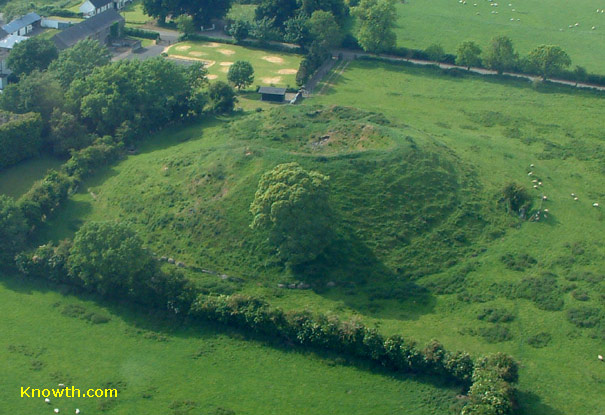 Concentric enclosure in DowthConcentric enclosure · 983 yd
 Brú na Bóinne Visitor Centre AccessHeritage attraction · 1180 yd
 Brú na Bóinne Visitors CentreVisitor information · 1257 yd
 Glenmore ForestWood · 1740 yd
 Proudfootstown CastleCastle, unclassified · 1.1 mi
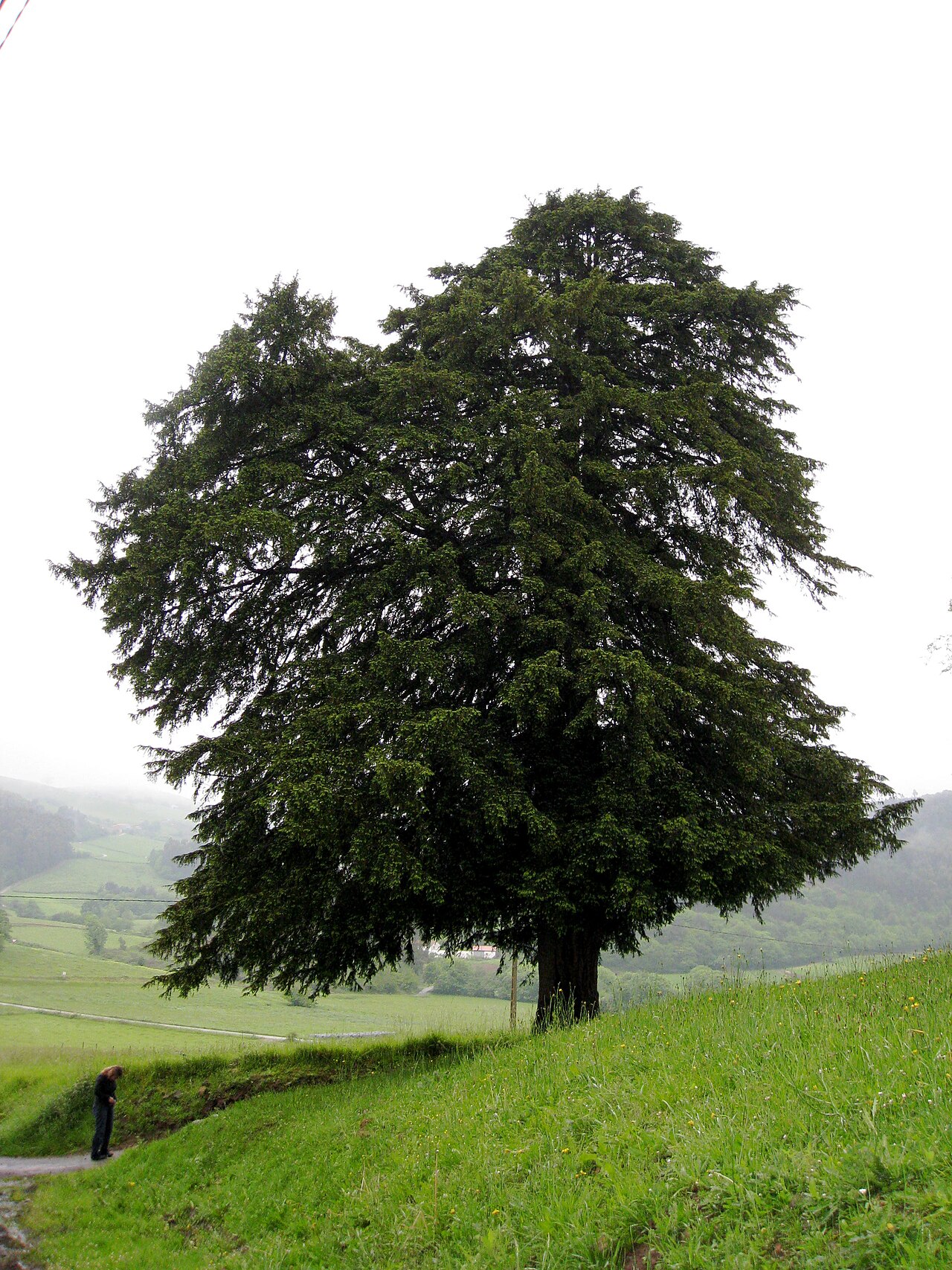 European YewEuropean Yew · 1.6 mi
 Battle of the BoyneMajor battlefield · 1.7 mi