What is recorded here
Situated in scrub at the crest of a N-facing slope. This is an undifferentiated passage (L 3m; Wth 0.9m) oriented E-W with three sidestones on each side and one surviving lintel. A blocking-stone, two stones of a façade and outer-walling on the S side of the passage also survive. (Ó Nualláin and Walsh 1986, 26, 28) There is a large orthostat (dims. 2.45m x 0.7m; H 1.6m) NW of the wedge tomb. A field boundary runs immediately W of the tomb and dumped along the W side of this boundary for 22m N of the tomb and 9m to S there are small to medium sized stones from field clearance. These terminate 10m S of the tomb in a group of four large flat-sided boulders, one of which (dims. 2.1m x 0.7m; H 1.05m) is upright against the field boundary, one is lying against the field boundary (2.6m x 1.3m x T 0.6m), one is partially resting on the former (2m x 1.5m x T 0.6m) and the third (2m x 1.3m x T 0.5m) is partially resting on this one.
The above description is derived from the published 'Archaeological Inventory of County Waterford' (Dublin: Stationery Office, 1999). In certain instances the entries have been revised and updated in the light of recent research.
Date of revised upload: 12 October 2016
Portal dolmen; likely dates to the Neolithic or early Bronze Age. Its orientation and surviving architectural elements indicate a significant ritual or funerary function in the prehistoric landscape.
The monument record does not grant public access. Check the route and ask the landowner before entering private land.
- What survives
- Recorded monument
Places near here
 Knockeen Portal TombArchaeological place · 447 yd
 DolmenPortal tomb · 449 yd
 Sugar Loaf RockMountain / peak · 1371 yd
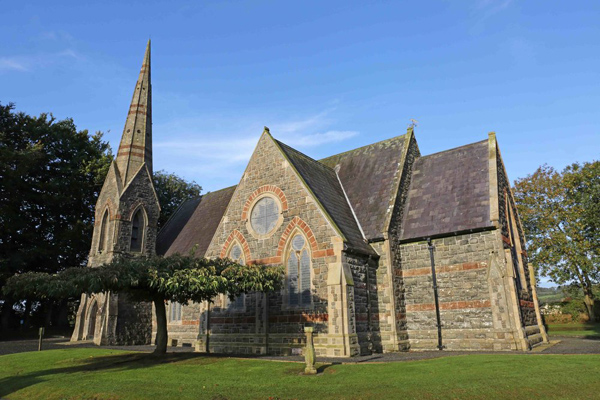 St, Brigets Church (in ruins)Church · 1.0 mi
 Cullen Castle (in ruins)Castle, tower house · 1.3 mi
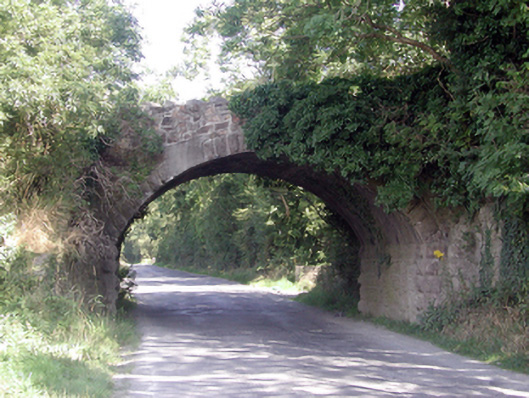 Historic buildingOfficially recorded historic building · 1.3 mi
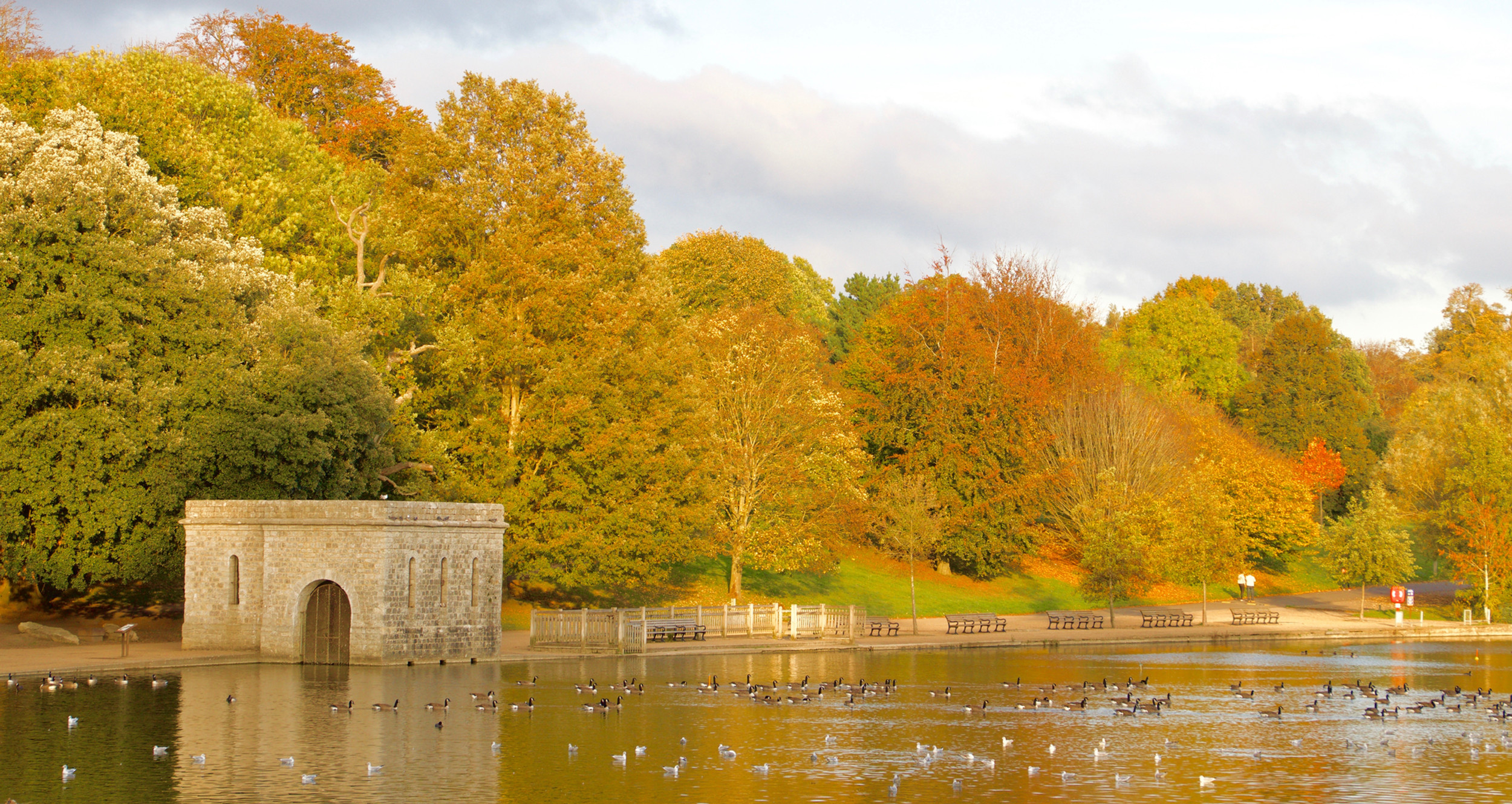 Mote or TumulusCastle, motte · 2.5 mi
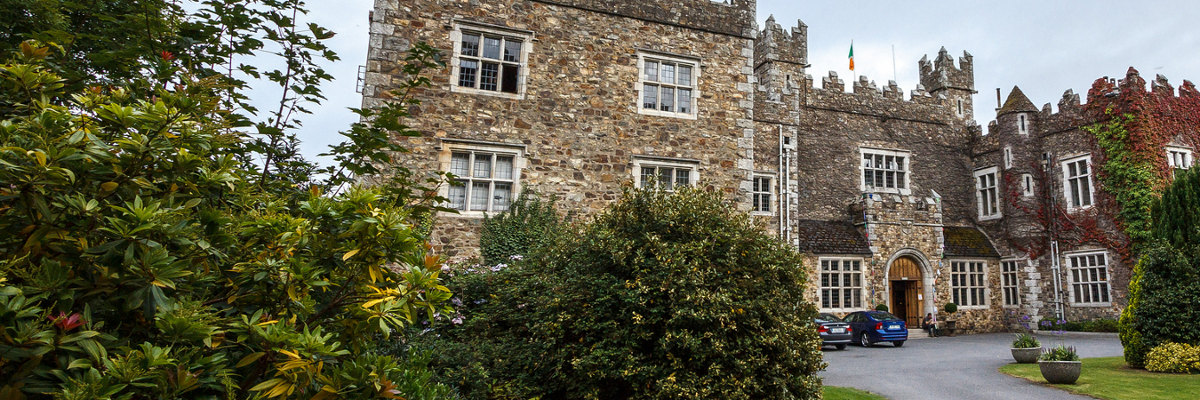 Tourist InformationVisitor information · 3.0 mi
 Tramore Dunes WalkWalking route · 3.3 mi
 Doneraile WalkWalking route · 3.3 mi
 Mount Congreve GardensHeritage attraction · 3.5 mi
 Ballyscanlon HillMountain / peak · 3.7 mi