
More pictures of this place


What is recorded here
Map note: Near Derby, England, the map records Derby Gaol as a museum. See what else is around it before planning your day.
From OpenStreetMap (© OpenStreetMap contributors) n308265028
Places near here
Photo credits
- J147, Wikimedia Commons · CC BY-SA 2.0
- Stephen Richards, Wikimedia Commons · CC BY-SA 2.0
- Malcolm Neal, Wikimedia Commons · CC BY-SA 2.0
- Betty Longbottom, Wikimedia Commons · CC BY-SA 2.0
- JThomas, Wikimedia Commons · CC BY-SA 2.0
- Eamon Curry, Wikimedia Commons · CC BY-SA 2.0
 Reform Bill HeadsPublic artwork · 60 yd
 42, Friar GateListed building · 87 yd
 Pickford's House MuseumMuseum · 109 yd
Explorer Tom Pickford's House on Derby's Friar Gate lets you walk through the rooms of the architect who built it for his own…
 41, Friar GateListed building · 114 yd
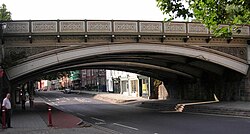 Friar Gate Railway BridgeListed building · 157 yd
 32, Friar GateListed building · 180 yd
 99, Friar GateListed building · 197 yd
 Uttoxeter New Road CemeteryCemetery · 835 yd
 Markeaton ParkVisitor information · 1244 yd
 Florence Nightingale statueMemorial · 1520 yd
 The Waterfall, DerbyWaterfall · 1.1 mi
 Waterfall at Markeaton Park, DerbyWaterfall · 1.1 mi
More things to do in Derby · All of Derby

What do you know about this place?Tap to add a comment or ask a question