
Places near here
Photo credits
- National Inventory of Architectural Heritage
- Kenneth Allen, Wikimedia Commons · CC BY-SA 2.0
- Ronnie Nijboer, Wikimedia Commons · CC0
- EecherplazGinkgo06.jpg : Cayambe derivative work: Ginkgotree ( talk ), Wikimedia Commons · CC BY-SA 3.0
- C Michael Hogan, Wikimedia Commons · CC BY-SA 2.0
- David Dixon, Wikimedia Commons · CC BY-SA 2.0
- Kenneth Allen, Geograph · CC BY-SA 2.0
- Andreas F. Borchert, Wikimedia Commons · CC BY-SA 4.0
- louise price, Geograph · CC BY-SA 2.0
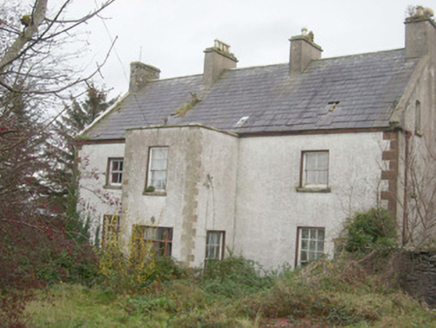 rectory/glebe/vicarage/curate's house409 yd
Explorer Tom Rectory in Beaugreen Glebe had an Orange lodge inside it, formed by Revd. Moriarty! I bet the boys practiced their marching steps right on top of the parson’s breakfast table. It must have been very loud for anyone trying to read a hymn.
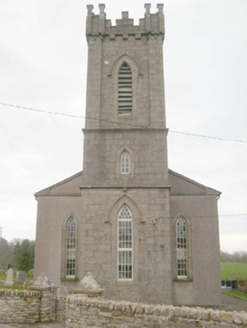 St. Peter's Church of Ireland ChurchChurch/chapel · 530 yd
Explorer Tom St. Peter's Church of Ireland refuses to fall down because it knows it has the best stained glass in Beaugreen Glebe. Those spiky finials are probably its way of saying 'back off.' Give a little nod to that ashlar tower!
 Killaghtee Old Church GraveyardGraveyard · 665 yd
Explorer Tom Killaghtee Old Church Graveyard sits beside the old church; inside the graveyard, southwest of that church, the survey records a cross-inscribed slab. The Civil Survey called the church 'in reparation', and it remained in use until 1826. I like how one small mapped area holds separate records for the graveyard, church and stone.
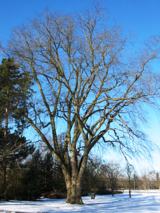 Wych Elm865 yd
Explorer Tom Wych Elm four in County Donegal is just standing there looking confused about why you need permission to see a tree. It's probably thinking about the past. Ask it if it remembers when elms were cool again.
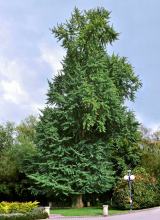 Ginkgo1137 yd
Explorer Tom Ginkgo in County Donegal is basically a dinosaur wearing a leafy coat, surviving things that would kill other trees instantly. It’s exotic, weird, and definitely not what you’d expect to find in Donegal. Pack a picnic and an excuse for why you’re talking to a tree so loudly.
 Cashel Town Wedge TombsWedge tomb · 1.2 mi
Explorer Tom Cashel Town Wedge Tombs are unique because three galleries sit side-by-side in a single circular kerb. One roofstone is four metres long, and locals once found giant human bones here, which is either brilliant or terrifying.
 Rashenny PointHeadland · 2.5 mi
Explorer Tom Rashenny Point thinks its secret talent is competitive napping, and honestly? It’s good at it. The headland is just vibing out there in the sun. Take the long way round, because this spot deserves the extra effort and scenic drive.
 Tara HotelHotel · 2.5 mi
Explorer Tom Tara Hotel in Killybegs is probably where some forgotten hero saved it from a tidal wave nobody else remembers. The Wi-Fi might be slow, but the stories fly faster than a gull on Main Street. Walk past slowly like you're in a film.
 MellysRestaurant · 2.5 mi
Explorer Tom Mellys serves fish and chips, which is basically a hug from the sea with a grudge against the rain. Wrap it tight so the salt doesn’t ruin your phone case. Stand back, squint, and it looks like a castle.
 St Catherine's WellHoly well · 2.6 mi
Explorer Tom St Catherine's Well in Killybegs was once a famous pilgrimage site, but there’s a daft legend that a Protestant rector tried to fill it up with dirt. The next day, a spring burst into his drawing room, terrifying his wife until he reopened the well. It’s still cleaned for St. Catherine’s Day, sitting beside the ruins of 'Cat Castle' in marshy pasture.
 Cat CastleCastle, tower house · 2.6 mi
Explorer Tom Cat Castle is named after St. Catherine, but really it’s just a tiny stone corner standing on a hill above Killybegs Harbour. It’s been shrinking since 1355, and now only a 3-metre wall survives. It’s a bit pathetic, sure, but looking out over the harbour makes you wonder what that bishop’s manor looked like when it was whole.
 Carntullagh HeadHeadland · 2.7 mi
Explorer Tom Carntullagh Head is a rugged County Donegal point that apparently doubles as a fish farm. I imagine the wild seabirds looking down at their new plastic neighbours with mild confusion, wondering if this is still the natural order of things.
More historic places in County Donegal · All of County Donegal

What do you know about this place?Tap to add a comment or ask a question