What is recorded here
Gallen’s west wall holds a small cross-slab from the monastery founded by St. Canoc, its double-lined petals stopping just short of a hollow centre inside a triple circle. That missing touch makes the cross hover rather than pierce, as if the stone withheld its final wound. Among nine slabs recovered from the church site, it still suggests a place where prayer was measured, marked and remembered in hard white stone.
West Wall, West Facing, South off centre.
Diagram C3
Inventory of Carved Stone ID 000088
Dimensions: Height .395m Width .40m
Cross slab. Incised double outline compass drawn cross or petal design with tips truncated, enclosed in triple outline circle. Intersections of petals occur short of circular hollow in centre, creating a lozenge figure.
Description from Inventory of Carved Stone, National Monuments Service Archive.
Possible 8th-century cross-slab with a four-lined cross-of-arcs, also forming a cross pattée design with central hollow, all of which is framed within a triple-lined circle (Kendrick 1939 Fig. 3 A 78). Cross-slab (A 78) described by Kendrick (1939, 19) as a; 'Slab L. 1' 4" (0.4m); double line petals; intersections short of pitted
centre; triple containing circle'. Gallen was the site of an Early Christian monastery (OF014-029008-) founded by St. Canoc in 492 AD. A large collection of early Christian cross-slabs (OF014-029003-) dating from the 8th/11th-centuries were uncovered along with the site of an early medieval church (OF014-029008-) during excavations at Gallen in 1934-5. This cross-of-arcs type cross-slab is one of nine cross-slabs to come from Gallen monastery. A large selection of cross-slabs were inserted into a display wall on the site of the excavated medieval church.
To see a 3D model of this cross-slab, visit; https://skfb.ly/oxtwL
Revised by: Caimin O'Brien
Date of revised upload: 24 August 2022
Date likely to the early medieval period, associated with the introduction of Christianity to the area. The cross design may have had a liturgical or commemorative function, or marked a significant local site.
The monument record does not grant public access. Check the route and ask the landowner before entering private land.
- What survives
- Recorded monument
Places near here
 Church in GallenChurch · 18 yd
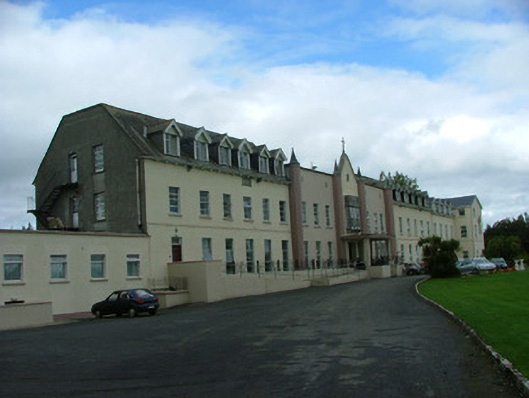 Gallen Priorycountry house · 92 yd
 Enclosure in KincoraEnclosure · 427 yd
 Enclosure in GallenEnclosure · 508 yd
 CastleCastle, unclassified · 535 yd
 Saint Reaghan's WellSpring · 1000 yd
 Ballylin Bog BoardwalkHeritage attraction · 1757 yd
 Coole CastleCastle · 1.2 mi
 Endrim HillMountain / peak · 2.7 mi
 Cloghan HillMountain / peak · 3.6 mi
 Lug Holy WellSpring · 3.7 mi
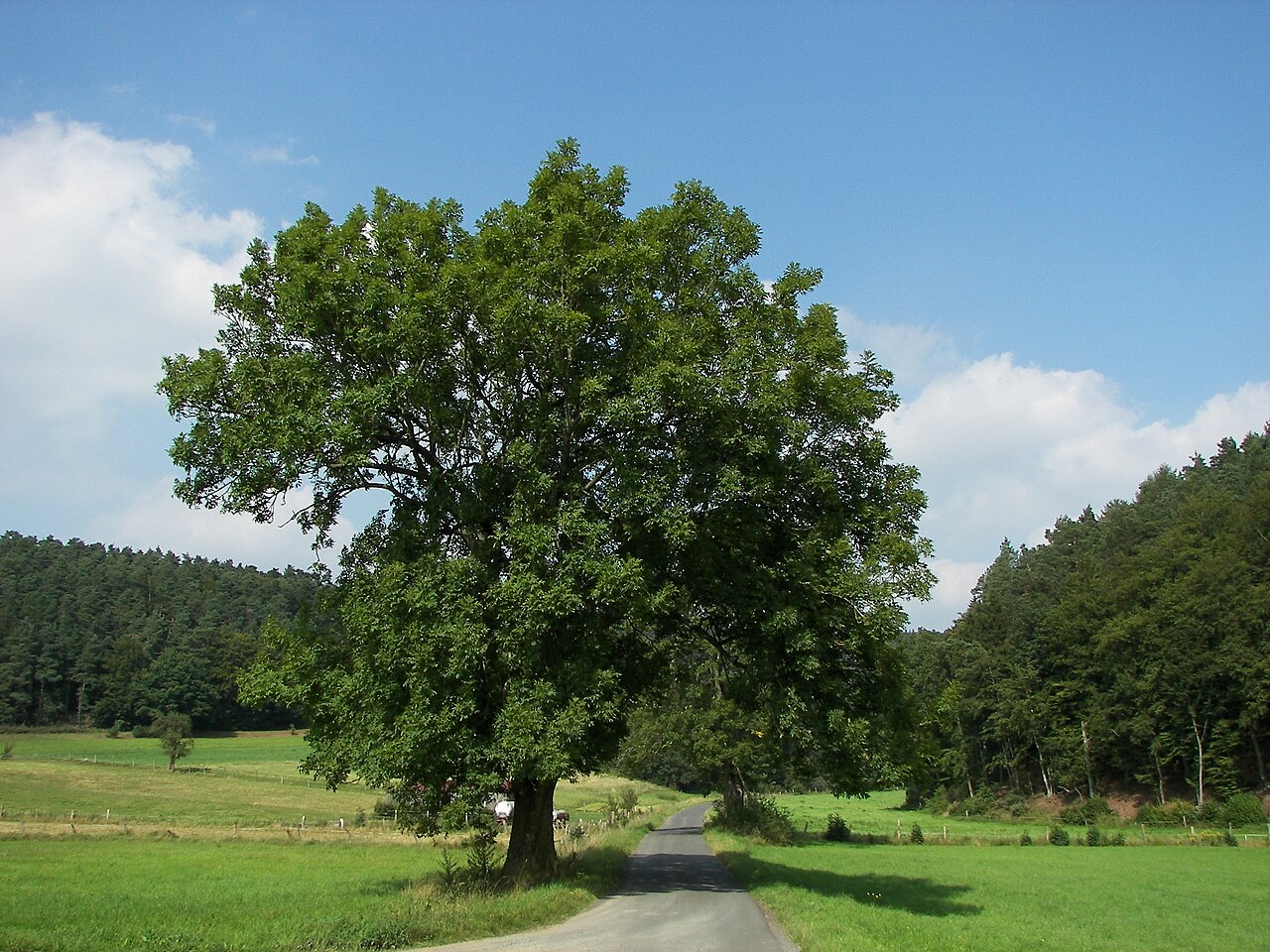 European ashEuropean ash · 3.9 mi