What is recorded here
Kilmurray church ruins stand on a south-facing slope above the river, holding a circular socket stone that visitors still call the Headache stone. People drop tokens into its hollow and press their minds against the legend that St Patrick once lived there, while the old Murray family name lingers in the local story. The cross may have risen from that base before the wall swallowed it, turning a religious marker into a medicine for human frustration.
Situated on the S facing slope of rising ground overlooking river to the S. Rectangular undivided church (OF042-014----) ruins standing in N quadrant of graveyard. At the base of the S wall at the E end of the church there is a circular shaped stone (diam. 0.75m) with central socket (diam. 0.12m; D 0.21m) which has a bulbous shaped convex base. The stone is now used as part of the fabric for the wall construction. The socket has votive offerings placed inside it by people visiting the church and is known locally as the 'Headache stone'. A shallow bullaun depression is visible on the surface of this stone which also has the appearance of a mill-stone. The circular-shaped stone may have been the possible base of a cross. The graveyard (OF042-014001-) is enclosed by a circular earth and stone bank (Wth 2m: ext. H 1.3m) which could be the possible remains of an Early Christian enclosure (OF042-014003-).
Folklore collected about this stone by Michael Morkan, a pupil from Ballincor Demesne National School recorded the following tradition; 'There is a grave yard in this district called Kilmurray. There are the ruins of an old church there. There is the shape of a saint's head in one of the walls. People visit here and leave a token because it is generally believed that if you put your head in the wall you will never suffer from headaches again. The chapel belonging to a family named Murray who lived there in the olden times. St Patrick spent some time there in the olden times. Some say the shame of the head in the wall belongs to St Patrick' (The Schools’ Collection, Volume 0819, Page 178; https://www.duchas.ie/en/cbes/5044645/5028623)
The above description is derived from the published 'Archaeological Inventory of County Offaly' (Dublin: Stationery Office, 1997). In certain instances the entries have been revised and updated in the light of recent research.
Compiled and revised by: Caimin O'Brien
Date of revised upload: 21 March 2022
The monument record does not grant public access. Check the route and ask the landowner before entering private land.
- What survives
- Recorded monument
Places near here
 Church in ruinsChurch · 8 yd
 Enclosure in GalballyEnclosure · 545 yd
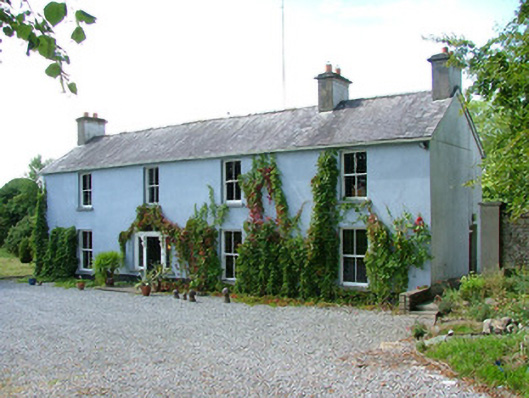 Belfield Househouse · 742 yd
 IndicatedHouse, fortified house · 1622 yd
 Burial GroundFairy fort / earthen ringfort · 1.0 mi
 Bawn in ShinroneBawn · 1.3 mi
 Cangort WoodWood · 1.5 mi
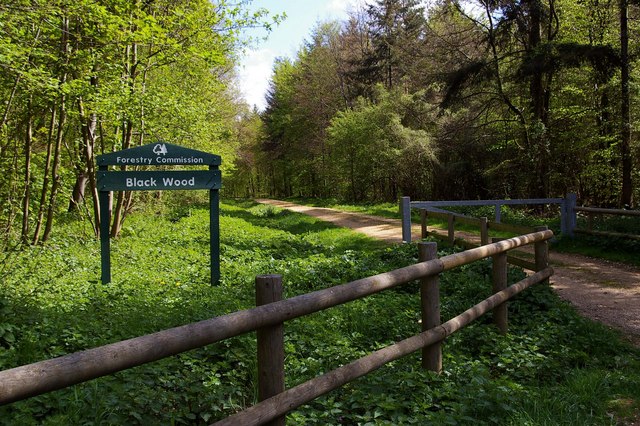 Black WoodForest · 3.6 mi
 Eagle HillMountain / peak · 4.1 mi
 Golden Grove HillMountain / peak · 5.0 mi
 MacDonagh HouseMemorial · 5.7 mi
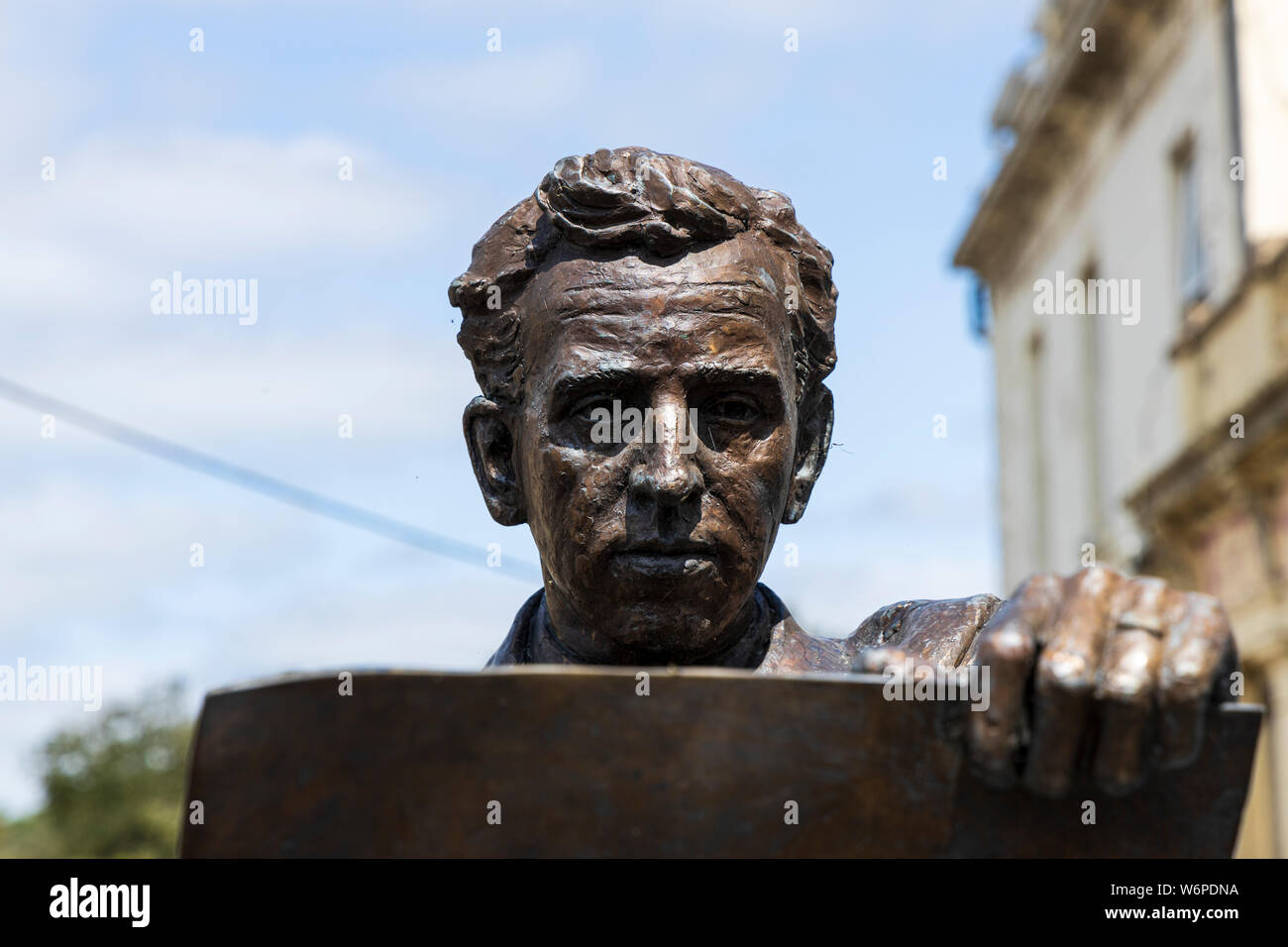 Thomas MacDonagh Heritage CentreMuseum · 5.7 mi