
Places near here
Photo credits
- Kieran Campbell, Geograph · CC BY-SA 2.0
- Mike Searle, Geograph · CC BY-SA 2.0
- National Inventory of Architectural Heritage
- Jonjobaker, Wikimedia Commons · CC BY-SA 4.0
- Sitomon, Wikimedia Commons · CC BY-SA 2.0
- Christian Pirkl, Wikimedia Commons · CC BY-SA 3.0 at
- Colin Park, Geograph · CC BY-SA 2.0
 Bremore CastleCastle · 68 yd
Explorer Tom Bremore Castle in County Dublin was once a big deal for the Barnewalls but now it's basically a fancy ruin. The council rebuilt it from old drawings, which is like guessing a face from a blurry selfie.
 CastleHouse, fortified house · 77 yd
Explorer Tom Castle Bremore gave up bread and butter for Lent, which seems like a very sensible choice for a building that’s been standing there forever. It looks like it’s just finished being rebuilt and is now showing off its new upper floors to the coastline. I’d say it’s the most dramatic renovation project in the whole of Fingal. Perfect spot to practise your best tour-guide voice.
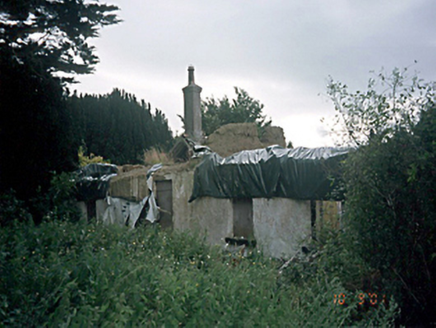 Bremore CottageHouse · 229 yd
Explorer Tom Bremore Cottage is the longest thatched house in Ireland, or so it says before it burned down in '96. It’s just sitting there now with plastic sheets, looking like it’s giving up on the whole roofing thing entirely. Perfect place to be dramatically windswept and feel completely unbothered by the rain.
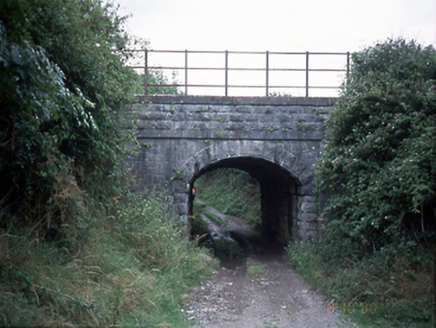 bridge376 yd
Explorer Tom Bridge in Bremore is still pretending it’s worth the granite effort, even though a cow once tried to buy it with a hoof-print and some manure. It’s a single-arch railway relic from around 1850 that looks like it hasn’t checked its reflection since Queen Victoria left town. Best visited with a curious kid and no timetable.
 Martello Tower548 yd
Explorer Tom Martello Tower in Tankardstown. Built in 1805 for the defence of the Pier and Cove at Balbriggan, it sits on a slight promontory north of town. It was manned with a full complement of Royal Artillery. A serious job guarding a small cove.
 Quay in BremoreQuay · 1315 yd
Explorer Tom Quay in Bremore: A stone pier at Newhaven is all that remains now, just a line of stones on the headland. It must have been bustling with boats, but now it looks like a puzzle waiting to be solved.
 Balrothery Heritage CentreMuseum · 2.1 mi
Explorer Tom Balrothery Heritage Centre refuses to fall down because it has a grudge against gravity and thinks it should be the most important building in the county instead of just a museum. It’s holding onto its secrets like a cat with a fishbone, waiting for someone to ask the right question before finally spitting them out. A handy spot to stretch your legs and your imagination.
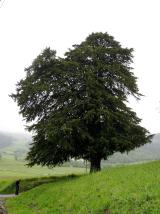 European Yew2.2 mi
Explorer Tom This European Yew in Meath apparently gave up red berries for Lent to show off its spiritual side. It’s still full of itself though, don’t let the quiet fool you. Great spot to propose. Or at least to propose lunch.
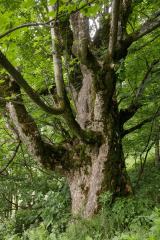 Sycamore2.4 mi
Explorer Tom Sycamore in County Meath is locked in an epic feud with its neighbour over who owns the best view. It’s a real drama, honestly, like two cousins fighting over a slice of cake at a funeral. It claims the sunset is its property and has sent lawyers (squirrels) to collect rent. Best seen with a hangover and a sausage roll.
 KnockbrackMountain / peak · 4.2 mi
Explorer Tom Knockbrack claims to be best friends with a famous actor who gets lost in the woods every time he visits for a shoot. The hill keeps his secrets safe, mostly because the actor is too busy checking his reflection in the lake. Spot the oldest stone and give it a name.
 Skerries Harbour and BeachVisitor information · 4.2 mi
Explorer Tom Skerries Harbour and Beach in County Dublin has changed its name so many times it can barely remember what it is right now. It’s been called at least twelve different things since the last century, mostly by accident or mistake. Make up your own legend and I'll swear it's true.
 Skerries BeachVisitor information · 4.3 mi
Explorer Tom Skerries Beach in County Dublin would tell a teenager that the 1800s were basically just a really long waiting room for better shoes. It says everything was slower then, even the sand was taking its time to move. Find a local and ask them the real story, then come back and tell me.
More archaeology and monuments in County Dublin · All of County Dublin
What do you know about this place?Tap to add a comment or ask a question