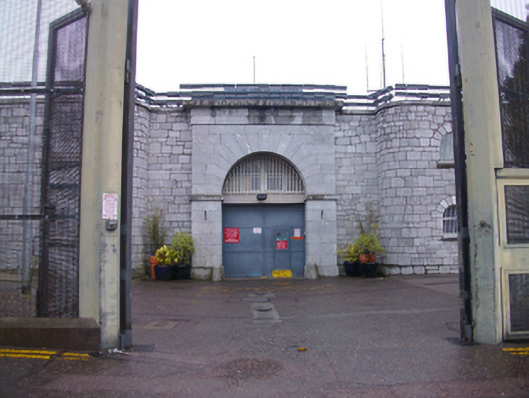
What is recorded here
Prison gatehouse and walls, built c.1860, as part of prison associated with the military barracks located to south. Converted to use as civil prison in 1971. Three-bay gatehouse comprising central bay with round-headed gateway set in projecting ashlar surround and flanked by projecting end bays with curved corners. Roof hidden. Squared rubble limestone walls with concrete coping and razor wire. Round-headed window openings to end bays stone sills, dressed limestone voussoirs to heads, metal bars and replacement windows. Round-headed gateway with limestone impost course, limestone carriage stops and replacement gates with metal railing to replacement fanlight. Rubble stone boundary wall survives to west of complex with corner bastions and topped by concrete with razor wire. Concrete walling to north and south. Stone gravemarker mounted to wall in north-west corner marking the alleged grave of Thomas Ceannt who was executed following the 1916 Rising.
Cork Prison has been operating as a detention prison for about 150 years. Built as a military prison in association with the British army barracks to the south, it was transferred to the ownership of the Free State Army in 1922, along with the barracks. In 1971 it was converted to a civil prison. It remains a valuable and interesting part of Cork's social and military history. The gatehouse, ashlar entrance, and surviving sections of boundary walls with the surviving western bastions are a foreboding and sombre ensemble. The alleged grave of Thomas Ceannt, who was the only person to be executed outside Dublin following the 1916 Rising, further adds to the site's history.
This does not grant access. Most recorded buildings are privately owned; view them only from public ground unless the owner allows entry.
Places near here
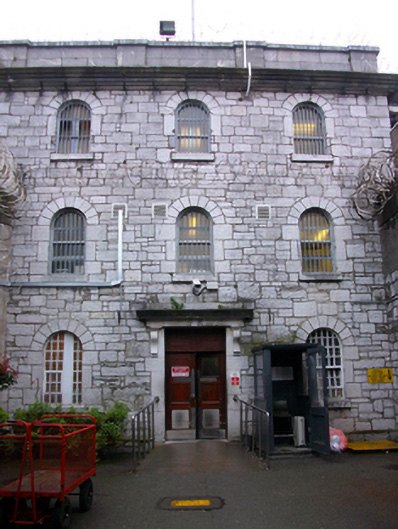 Cork Prisonprison/jail · 22 yd
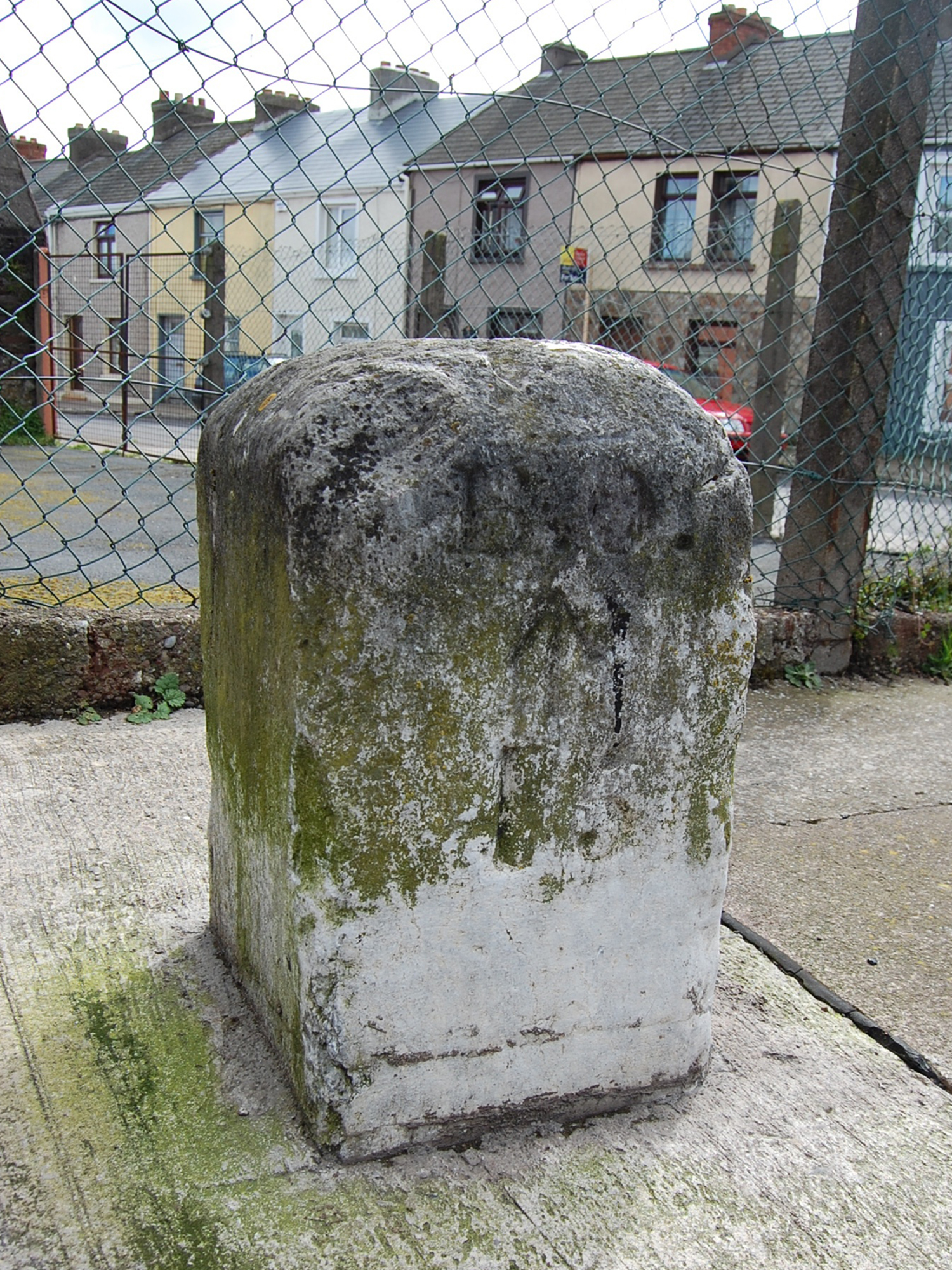 sign postsign post · 305 yd
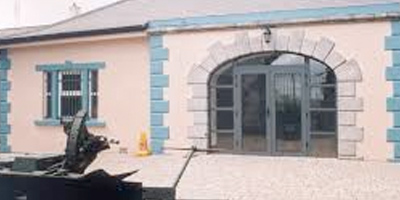 Collins Barracks Military MuseumMuseum · 335 yd
 1914-18Memorial · 585 yd
 Bell's Field (Audley Place)Viewpoint · 904 yd
 St Brendans Ch (Site of)Church · 969 yd
 Shandon Bells ViewViewpoint · 997 yd
 Ladys WellHoly well · 1052 yd
 Lavitts QuayMemorial · 1427 yd
 Mashanaglass Castle (in Ruins)Castle, tower house · 19 mi
 Ummera WoodWood · 20 mi
 Summerhouse WoodForest · 20 mi
Other information
Photo: National Inventory of Architectural Heritage · Website use allowed for educational or private purposes with source credit