What is recorded here
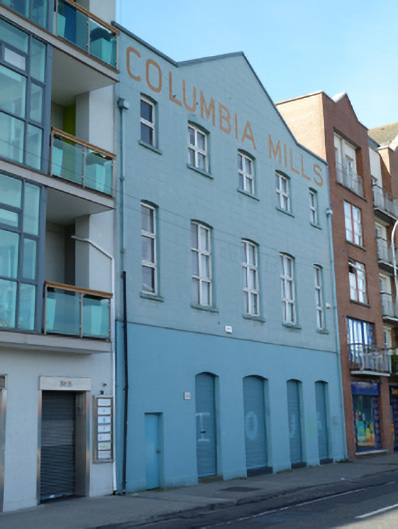
Attached gable-fronted five-bay three-storey former mill, built c.1890, now in use as offices. Pitched corrugated steel roof with roof lights, hidden behind parapet having central pediment and painted masonry coping. Lined-and-ruled rendered walls over smooth rendered walls and painted masonry plinth course to ground floor. Segmental-headed window openings with render surrounds, painted masonry sills and replacement uPVC windows. Segmental-headed door opening, concrete step and replacement glazed door, recent steel roller shutters to ground floor openings. Situated to south side and west end of Sir John Rogerson’s Quay.
In 1880 a building on this site housed Thomas Crosby’s sail cloth and canvas manufacturers. In 1894 it was occupied by H.M.Leask & Company. Its valuation climbed from £44 to £90, suggesting that it was rebuilt in the intervening years. It is referred to in James Joyce's Ulysses, "By lorries along Sir John Rogerson's quay Mr Bloom walked soberly, past Windmill lane, Leask's the linseed crusher, the postal telegraph office. Could have given that address too. And past the sailors’ home. He turned from the morning noises of the quayside and walked through Lime Street." The style and form is functional and unadorned, attesting to its industrial function. It lends historic character to this part of the quay, which is now dominated by buildings of more recent date. Sir John Rogerson’s Quay was laid out in the early eighteenth century and was named after the former Lord Mayor and city councillor who had owned land in the area from 1713. Following the development of the Grand Canal Docks, the area was characterised by mixed domestic, commercial and industrial buildings and warehousing.
This does not grant access. Most recorded buildings are privately owned; view them only from public ground unless the owner allows entry.
Places near here
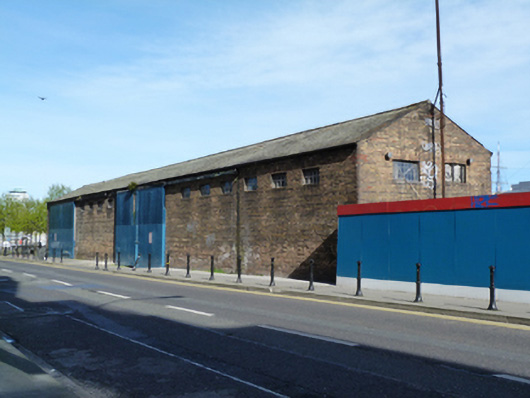 store/warehousestore/warehouse · 58 yd
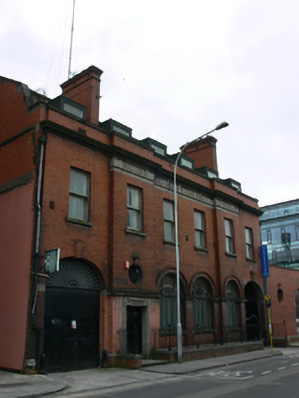 officeoffice · 103 yd
 Jeanie JohnstonMuseum · 236 yd
 Elizabeth O'Farrell ParkMemorial · 273 yd
 Samuel Beckett BridgeVisitor information · 315 yd
 EPIC The Irish Emigration MuseumMuseum · 356 yd
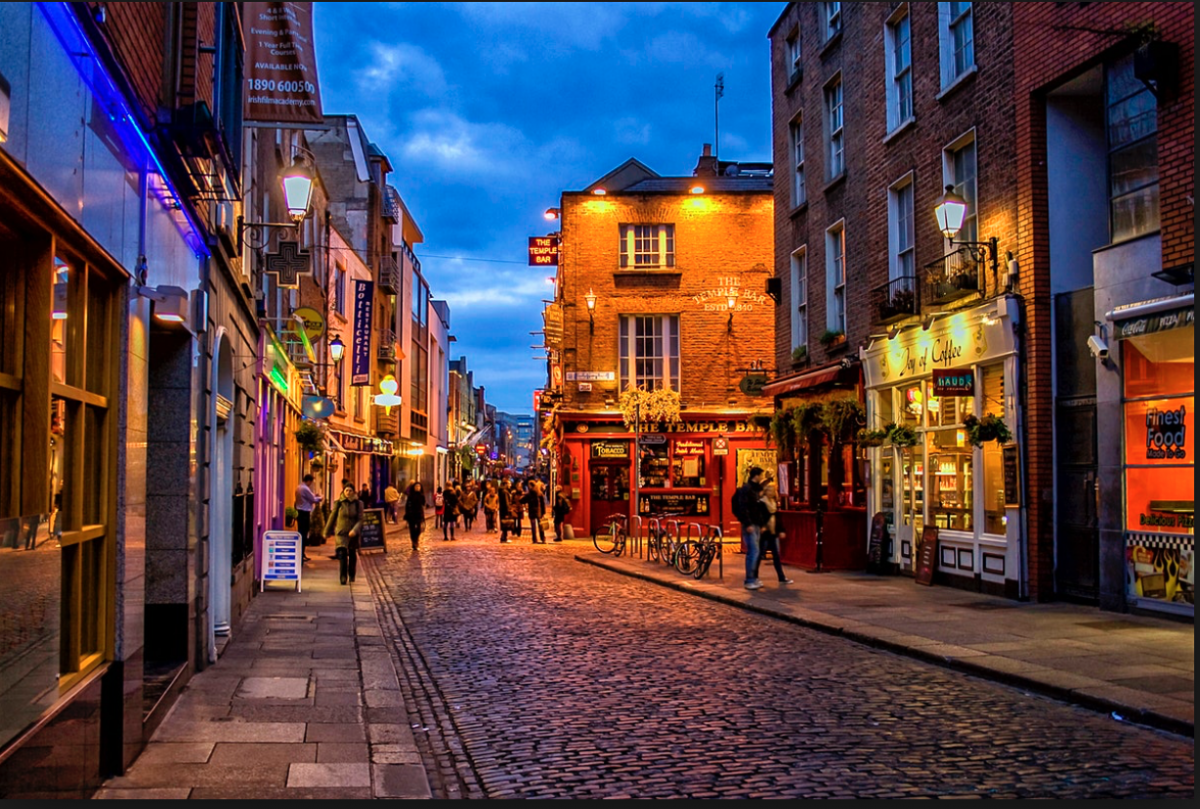 Quay in Unknown TownlandQuay · 360 yd
 Martin DohertyMemorial · 411 yd
 17 October UN International Day for the Eradication of PovertyMonument · 422 yd
 ConciergeVisitor information · 628 yd
 Burning of the Custom Housearmed conflict · 690 yd
 Bigleaf MapleBigleaf Maple · 804 yd
Other information
Photo: National Inventory of Architectural Heritage · Website use allowed for educational or private purposes with source credit