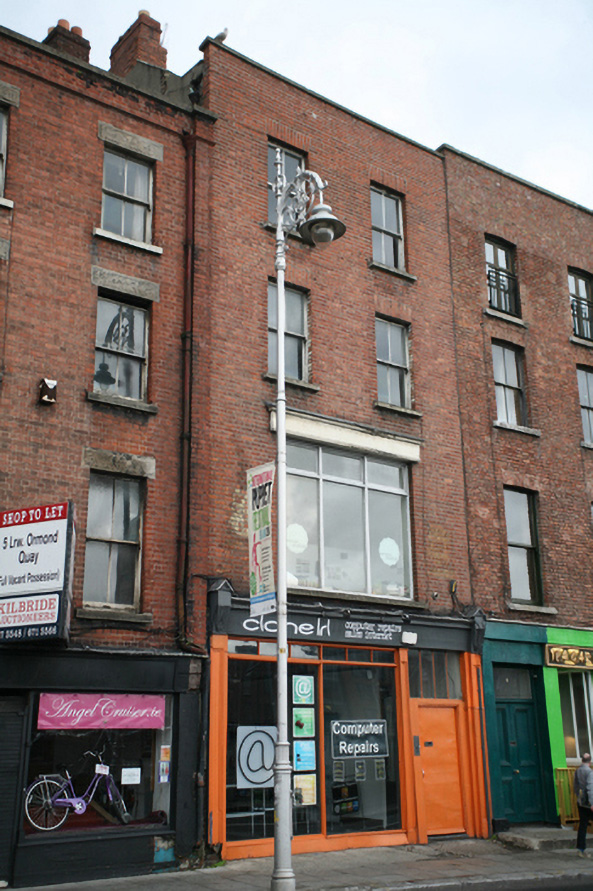
What is recorded here
Terraced two-bay four-storey commercial building over concealed basement, built c.1840, with recent shopfront to ground floor. Pitched slate roof, hipped to east with stepped brick chimneystack to west party wall. Further M-profile slate roof to rear set perpendicular to front pitch. Roof hidden behind rebuilt parapet…
Read the whole record
From the Buildings of Ireland (National Inventory of Architectural Heritage) record 50010353
Places near here
Photo credits
- National Inventory of Architectural Heritage
- YvonneM, Wikimedia Commons · CC BY-SA 3.0
- Fenian Swine at English Wikipedia, Wikimedia Commons · Public domain
- The White House, Wikimedia Commons · Public domain
- NateBergin, Wikimedia Commons · CC BY 4.0
- Andreas F. Borchert, Wikimedia Commons · CC BY-SA 4.0
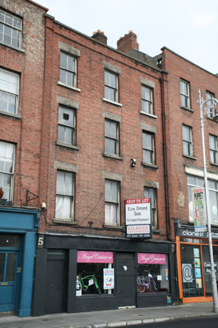 Angel CruiserHouse · 8 yd
Explorer Tom Angel Cruiser is a Georgian ghost from 1710 sitting on Ormond Quay, pretending to fit in with the Victorian terrace around it. Built when the Duke of Ormond was still cool, it’s all slate roof and brick chimneys. It’s just chilling by the river, ignoring time.
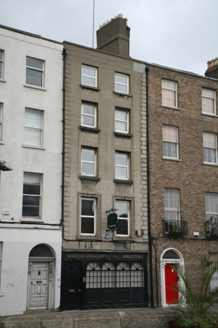 Bowler Geraghty & Co. SolicitorsHouse · 34 yd
Explorer Tom House on Ormond Quay Lower was built around 1820 and has lost most of its external fabric. It’s just standing there with a vertical emphasis, looking like a tall skinny guy in a suit. It remembers being part of the Duke's plan.
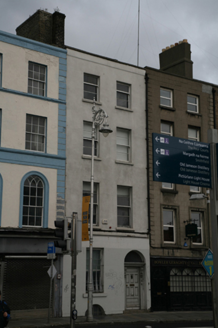 ZeusHouse · 39 yd
Explorer Tom Zeus on Ormond Quay Lower is a house named after a Greek god, which is either very confident or very confused. It has a vertical emphasis and retains an original doorcase from the 18th century, so it’s basically a temple to itself. Tell me what it would write on its dating profile: 'Tall, handsome, owns a river view.'
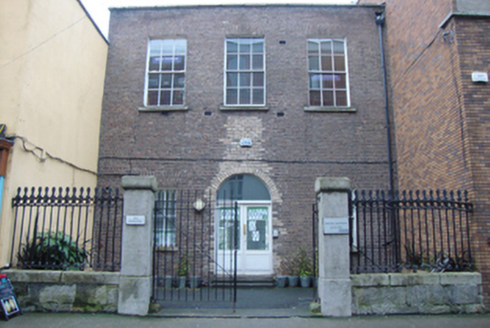 Regent HouseHouse · 40 yd
Explorer Tom Regent House on Strand Street Great is surrounded by a granite wall that looks like it’s trying to keep everyone out. It was probably a mews building, which means it used to be for horses and now it’s for people who sit in offices all day. Have a look at the railings and see if any of them are still sharp enough to cut you.
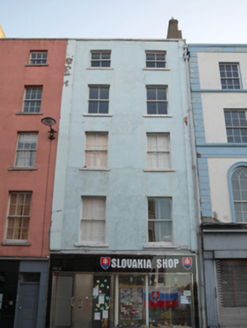 Slovakia ShopHouse · 52 yd
Explorer Tom Slovakia Shop on Capel Street is an elegant former townhouse with Doric columns and a shopfront that looks like it’s posing for a fashion shoot. It complements the classical architecture of the area and reflects neighboring properties nicely. Its dating profile would say: 'Classy, tall, and loves columns.'
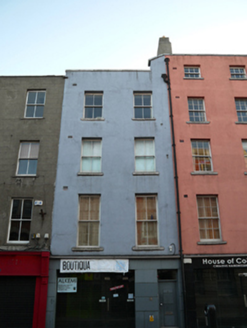 BoutiquaHouse · 55 yd
Explorer Tom Boutiqua in Capel Street was built around 1820 as an elegant house now used commercially. It retains timber sash windows and granite details. Check out that historic terrace framing the vista to City Hall for me, it looks quite the scenic route!
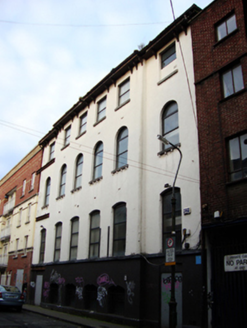 meeting house58 yd
Explorer Tom Meeting house in County Dublin was built for the Religious Society of Friends on Strand Street, where they probably debated whether bread rolls count as snacks during their meetings. John McCurdy designed it back in 1868 with a very serious face on. See if they’re still having a vote!
 National Leprechaun MuseumHeritage attraction · 186 yd
Explorer Tom National Leprechaun Museum in County Dublin is full of tiny, grumpy men hiding gold. I bet they're charging you an arm and a leg to see them. Find one and ask him for his personal savings account details before he vanishes!
 Dublin City HallHeritage attraction · 288 yd
Explorer Tom Dublin City Hall in County Dublin has some pretty floors that might make your head spin. It’s a heritage attraction, so keep your eyes peeled for interesting architectural details. The building itself is quite the show-off with its grandeur.
 CastleCastle, Anglo-Norman masonry castle · 378 yd
Explorer Tom Dublin Castle replaced an earthwork site on a ridge bounded by the Poddle river. It had a barbican gate and drawbridge right in the middle of town. Perfect spot to practise your best tour-guide voice, even if you’re wrong.
 IndicatedCathedral · 448 yd
Explorer Tom Cathedral. Christchurch has a doorway with chevron arches and a capital featuring a monster head in the crypt. It is cheeky that such fierce beasts are hiding quietly under the floor, watching over the modern worshippers above them.
 Cross-slab in Unknown TownlandCross-slab · 599 yd
Explorer Tom Cross-slab in Dublin is the Lucky Stone, which means someone probably lost a bet to get it out of the church. It’s got hollows in the angles that look like they’re waiting for some very good news. Get a photo with it before it gets a better agent.
More historic places in County Dublin · All of County Dublin

What do you know about this place?Tap to add a comment or ask a question