What is recorded here
Cist in Carrownacon is a limestone chamber buried under a low Mayo hill, holding the disturbed bones of a woman and two cremated adults. Its massive capstone still bridges the smaller cist beside it, proving that the dead were not forgotten but reused when memory changed. The chamber is no longer a private tomb but a public marker of human continuity, waiting for someone to notice the shape of loss preserved inside stone.
In pasture, located near the top of a low rounded hill. The N slope of the hill drops to an area of lowlying damp ground. Lough Carrowcon is located 540m to NE.
This is the larger of two close-set cists which were excavated in 1933 by the Second Harvard Archaeological Expedition (Movius 1934; 72-85). The smaller cist (MA100-056001-) was located 0.05m to N, and was partly overlapped by the capstone of this cist.
This cist (int. dims. 1.03m E-W; 0.41m N−S at W end, 0.55m at E end; D 0.5m) was roughly trapezoidal in shape, the long axis oriented E-W. The four walls were each constructed of a single upright limestone slab, and it was roofed with a massive limestone capstone (L 1.73m E-W; Wth 1.2m; T 0.21m), which lay 0.15m below ground surface. Smaller stones were used as packing stones to hold the side stones in place. An inhumed burial and a later insertion of cremated bones rested on the gravel floor, along with two poorly preserved sherds from two different pottery vessels. The skull of the inhumed burial was at the SW corner of the cist, however the rest of the skeleton was 'in complete confusion', and appeared to have been disturbed when the cremated remains were added to the cist. Analysis of the inhumed bones suggested that they were from an adult female, aged 50-55 years at death. The cremated bones were concentrated at the E side of the cist but were also scattered throughout the cist; they represented the remains of two adult individuals. A flat slab (L 0.42m; Wth 0.41m; T 0.15m) was uncovered c. 0.3m S of the cist, at a depth of 0.45m below ground level. A small deposit of very fragmentary cremated bones was found on and beneath the slab; it was interpreted as being part of the cremation from the cist, rather than a separate burial. (Movius 1934; 72-85).
Compiled by: Jane O’Shaughnessy
Date of upload: 12 March 2021
Cist in Carrownacon is a small prehistoric stone burial chamber, likely dating to the Early Christian or Bronze Age period. Its presence indicates early settlement or funerary activity in the area, though its wider archaeological significance remains limited due to lack of detailed records.
The monument record does not grant public access. Check the route and ask the landowner before entering private land.
- What survives
- Recorded monument
Places near here
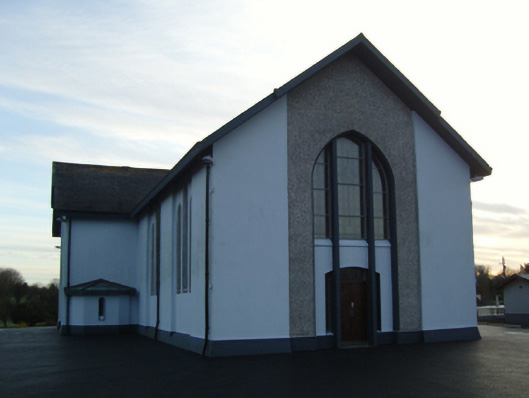 Saint Mary's Catholic Churchchurch/chapel · 372 yd
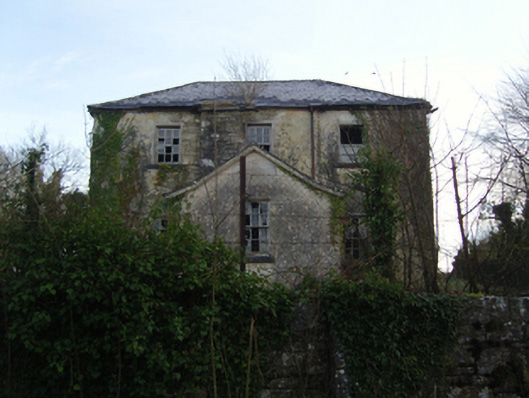 Burrisacarra Schoolschool · 457 yd
 Enclosure in KnockacurreenEnclosure · 538 yd
 IndicatedFairy fort / earthen ringfort · 801 yd
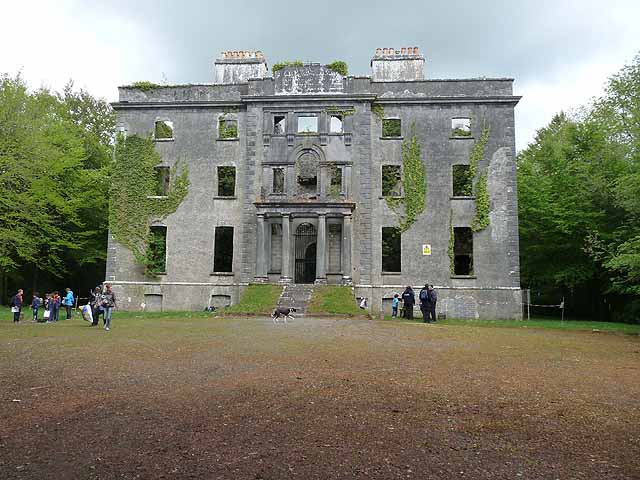 Moore Hall Forest TrailWalking route · 1.3 mi
 Moore Hall ForestForest · 1.6 mi
 Deer IslandIslet · 1.6 mi
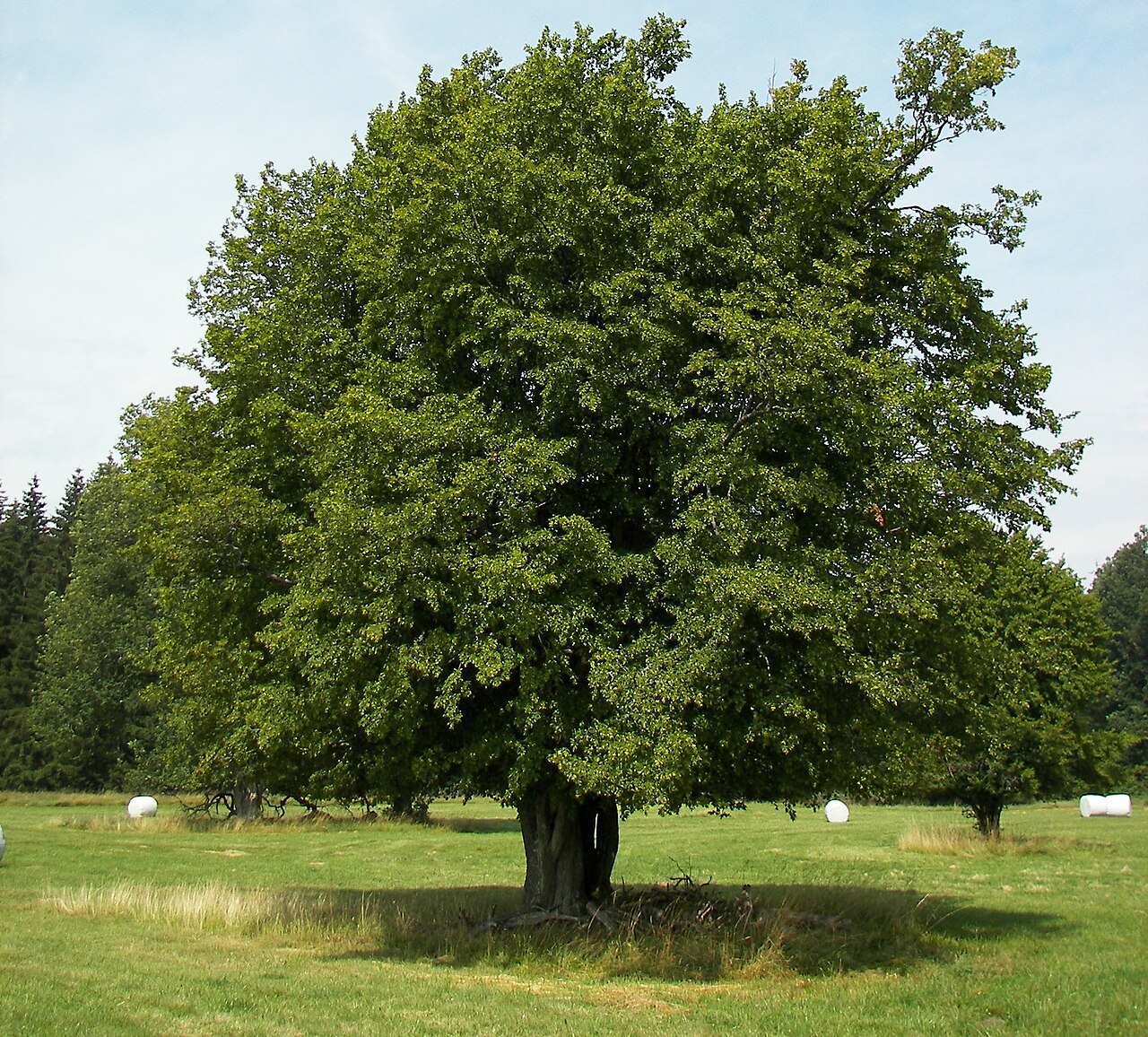 European hornbeamEuropean hornbeam · 1.7 mi
 Wall of CastleBawn · 1.7 mi
 Castle CarraCastle · 1.8 mi
 Lady's IslandIslet · 1.8 mi
 Cerberus, from Thomastown HouseMemorial · 1.8 mi