What is recorded here
Church Grave Yd. is a graveyard in Carrownaglogh, County Tipperary, Ireland. Local tradition places the sixth-century monastery founded by St Columb within the present church and graveyard. The roughly rectangular enclosure measures about 57 metres north-south and 42 metres east-west, with the church forming part of its north boundary wall.
Situated on a slight rise of ground in the centre of Terryglass village. An early Christian monastery was founded in Terryglass by St Columb (Colum Mac Cremthainn) in the sixth century (Gwynn and Hadcock 1970, 45). Columb died around AD 552 (Ann. Inisf., AD 552). The church of Tirdaglassoe contributed three marks in the taxation of the diocese in 1302-7 (Cal. doc. Ire., 302). The Royal Visitation of 1615 described the church as having a 'covered chancell' (Murphy 1914, 221) but there is no mention of the church itself in the Civil Survey of 1654-6 where it only mentions the 'church yard of Tirraglasse' (Simington 1931, 311). According to local tradition the site of the monastery lies in the present church and graveyard (Carey and Farrelly 1994, 78). The ecclesiastical complex consists of a church (TN006-003003-), a graveyard (TN006-003008-) and a holy well (TN006-003005-), all of which are situated within a possible ecclesiastical enclosure. Also sited within this possible enclosure are a bawn wall (TN006-003004-) immediately E of the church and graveyard and a linear earthwork (TN006-003006-) to the N.
The church (TN006-003003-) lies in the N quadrant of a roughly rectangular graveyard (approx. int. dims. 57m N-S; 42m E-W) forming the N boundary wall of the graveyard immediately SE of the former St Columba's Protestant church. Only the N and W walls and the possible remains of the E wall survive albeit in a much modified form (Carey and Farrelly 1994, 79). The walls are constructed from roughly coursed rubble limestone some of which are cyclopean in appearance supported by an external plinth. In 1840 the church was in poor condition, only the pointed chancel arch survived as well as the N and W gable of the nave, the latter being surmounted by a belfry (O'Flanagan 1930, vol. 2, 26-7). The W gable collapsed in the 1960s (Carey and Farrelly 1994, 80). A carved stone (TN006-003011-) now housed in the Hunt Museum, Limerick was found during demolition of the surrounding graveyard wall and may have been a voussoir or keystone of an arch from the eleventh/twelfth century church(Harbison 1967, 108-11).
Compiled by: Caimin O'Brien.
Date of upload: 22 September 2008
Early Christian burial site, 6th–9th century. Associated with the monastery founded by St Columb, indicating its religious and historical significance in the spread of Christianity in the region.
The monument record does not grant public access. Check the route and ask the landowner before entering private land.
- What survives
- Recorded monument
Places near here
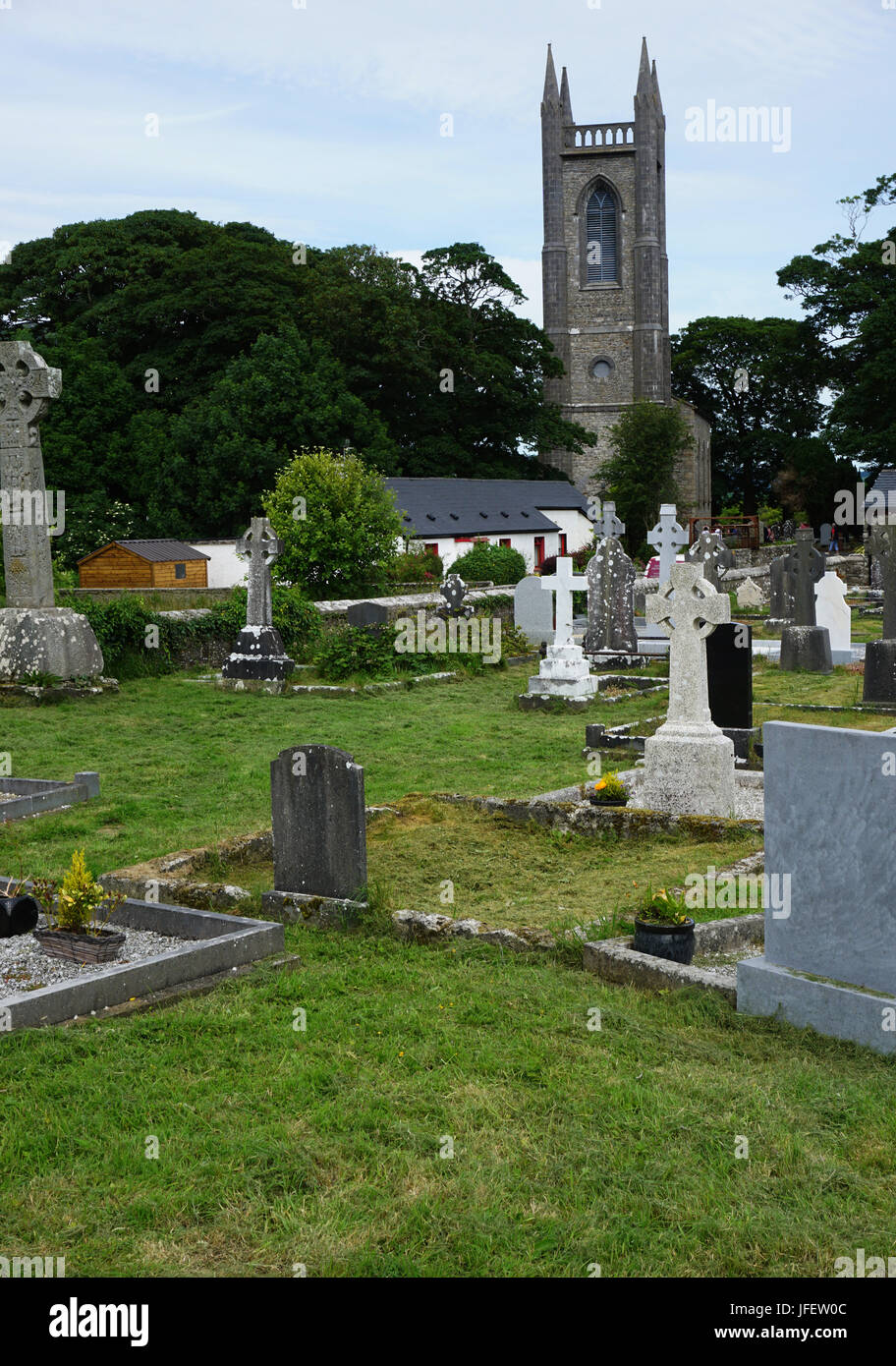 Church Grave Yd.Church · 28 yd
 The Cobblers BoxBawn · 42 yd
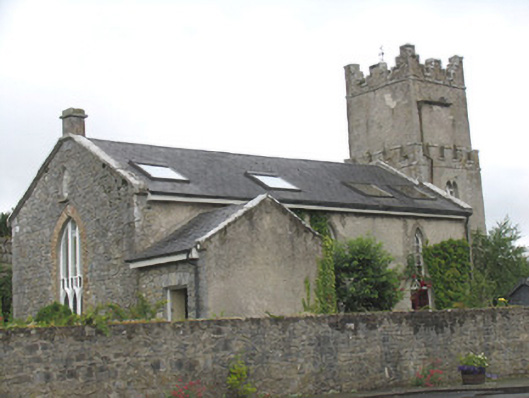 Saint Columba's Church (Terryglass)church/chapel · 46 yd
 St. Columbs WellHoly well · 201 yd
 IndicatedEcclesiastical site · 206 yd
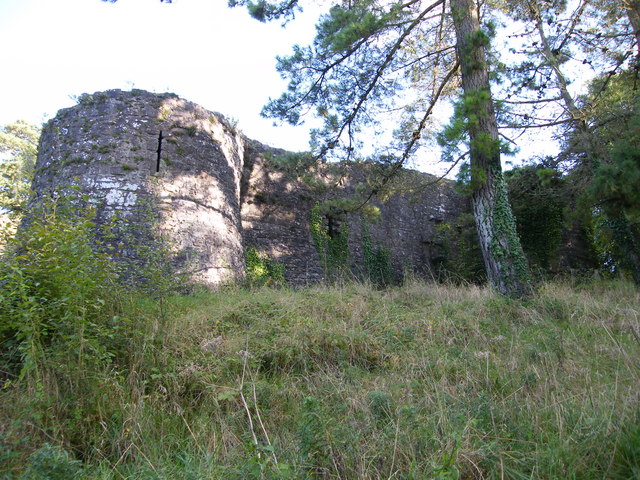 Old CourtCastle, Anglo-Norman masonry castle · 794 yd
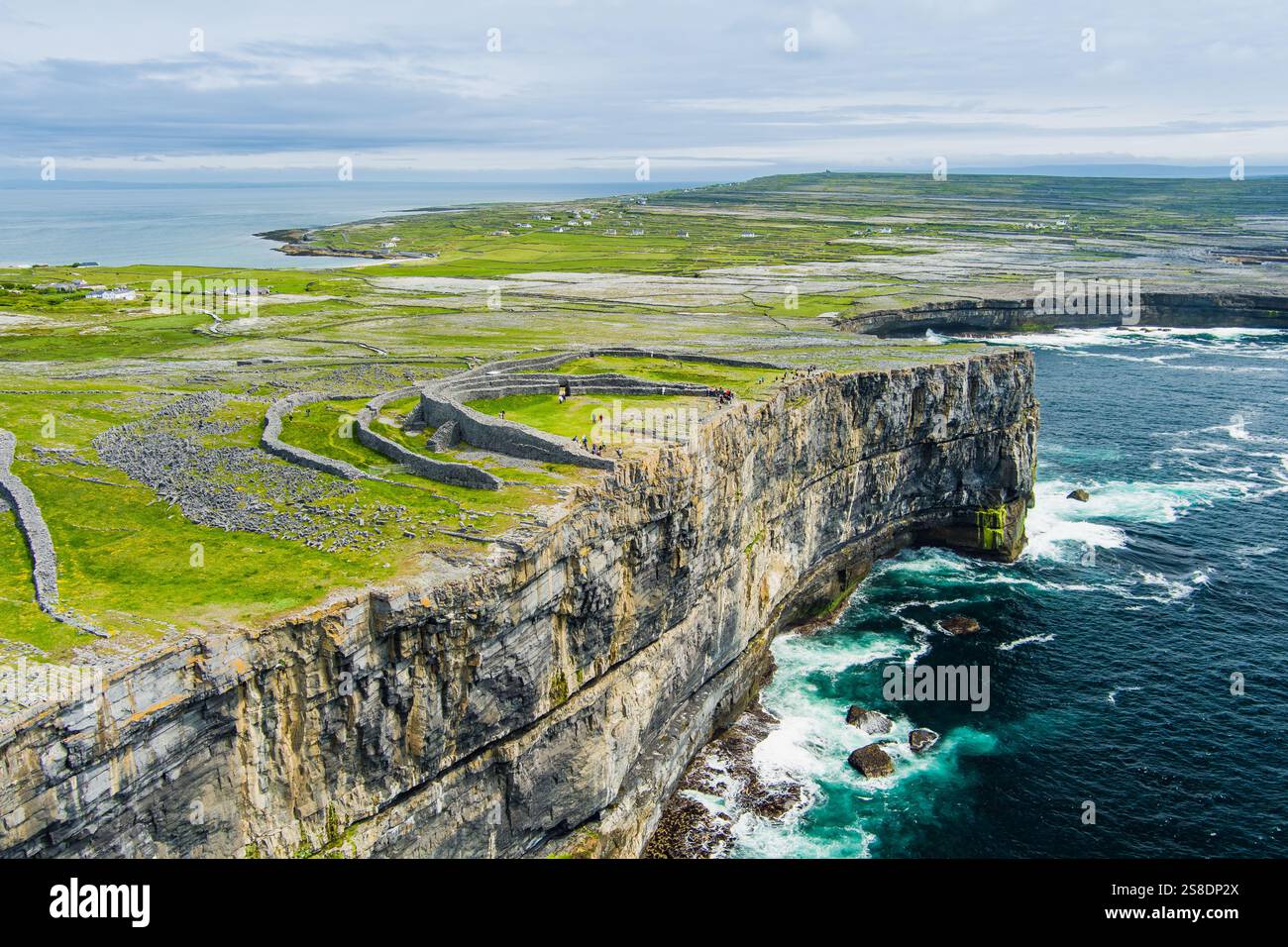 Silver IslandsIslet · 1.7 mi
 Slevoir BayBay · 1.7 mi
 Man's IslandIslet · 1.7 mi
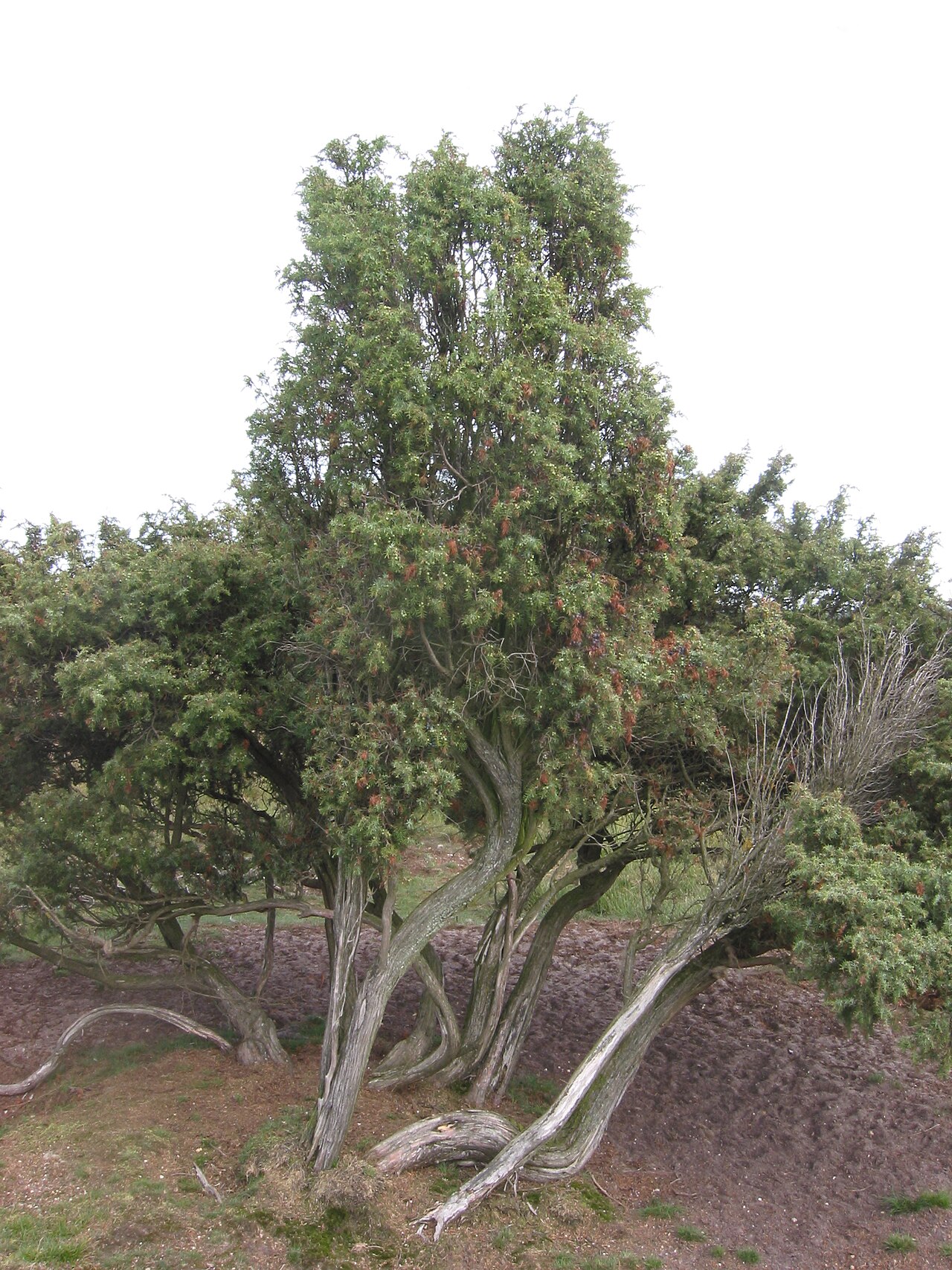 Common JuniperCommon Juniper · 2.2 mi
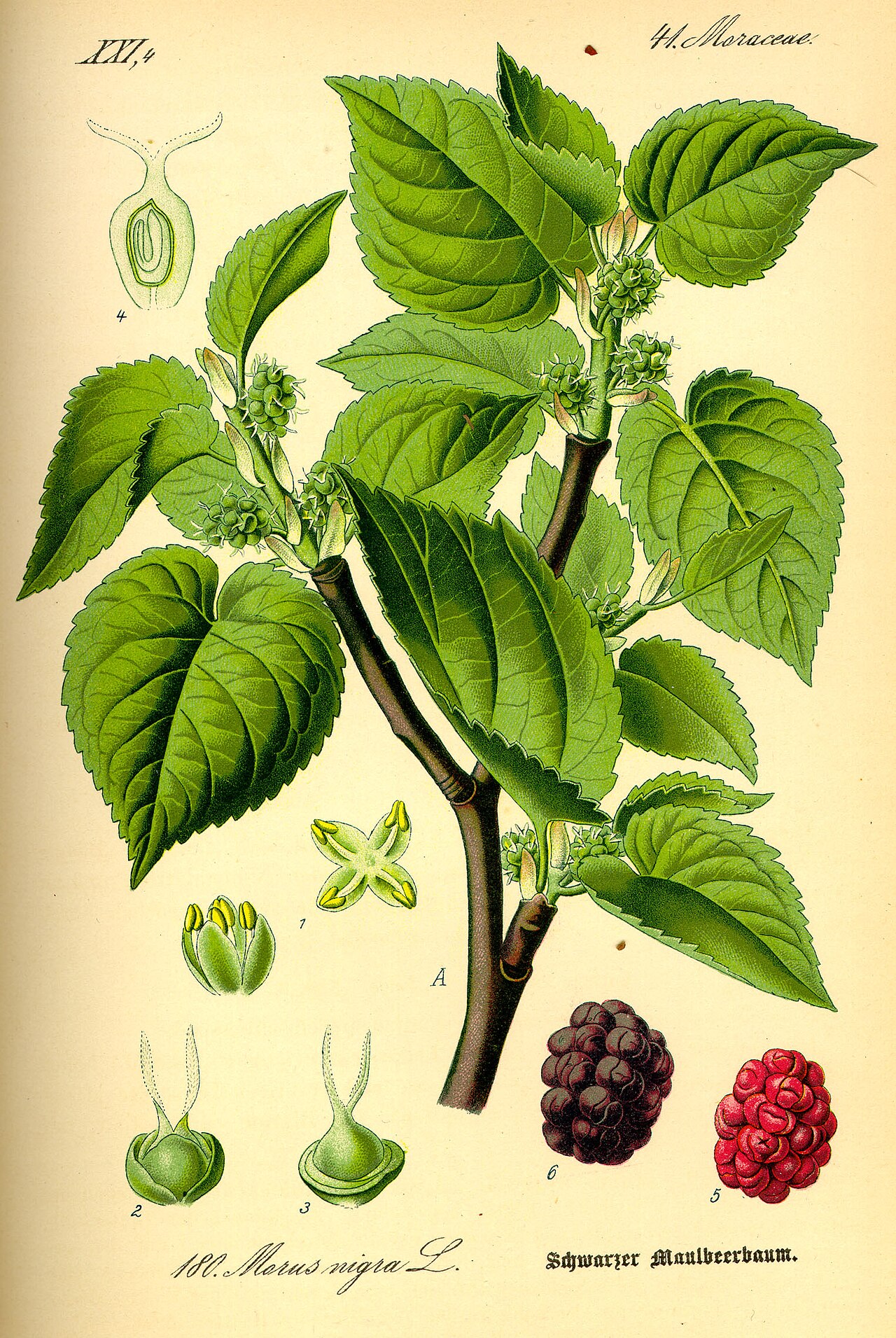 Black mulberryBlack mulberry · 2.2 mi
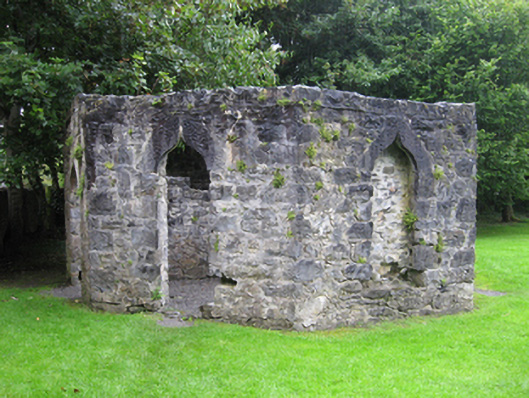 Portumna Castlegate lodge · 2.5 mi