What is recorded here
Brothers' Cave in County Waterford is a cruciform limestone chamber where medieval people and Neolithic ghosts may have crossed paths. Men entered through a quarry face in 1906, cut new passages, and filled baskets with sheep bone, pig tooth, deer antler, rabbit skull, amber beads and human fragments. The cave gave up its dead like a drawer pulled open, while Oonaglour Cave watched seventy metres away, sealed and patient.
A limestone cave called the 'Brothers' Cave' was discovered in 1906 when some metal finds with stone and amber ornaments were recovered. The cave was an extensive cruciform chamber, entered through a secondary entrance in a quarry face at the W end and leading at its E end to a NE-SW fissure. A second entrance to the cave was opened at the 'NE passage', which was at the N end of the N transept and was the place where most digging was done, although all parts of the cave were investigated. A further tunnel in the same area connected with the NE-SW fissure. Large amounts of animal bones were retrieved including sheep, pig, deer and rabbit, together with some human remains. The occupation was probably medieval in date, although some artefacts may date to the Neolithic period. The entrance to Oonaglour Cave is c. 70m to the NE of the first entrance to the Brothers' cave, but a connection between the two caves was not re-opened. The original notebooks have been recovered and more detailed interpretations will be possible (Corlett and Dowd 2002). (Forsayeth 1909; 1931)
Corlett, C. and Dowd, M. (2002) Brothers in caves. - lost archives of subterranean Waterford rediscovered. Arch. Irl. vol. 16, 1, No. 59, 8-10.
Forsayeth, G. W. (1931) The Brother's cave; abstract of a report by the late Surgeon Lieut,. Colonel R. W. Forsayeth, R.P., on the discovery and exploration of a prehistoric bone cave at Whitechurch, in the Countuy of Waterford. JRSAI 61, 179-201.
The above description is derived from the published 'Archaeological Inventory of County Waterford' (Dublin: Stationery Office, 1999). In certain instances the entries have been revised and updated in the light of recent research.
Date of upload/revision: 11th August, 2011. Compiled by: Michael Moore.
Ballygambon Lower Cave is a limestone cave formed through dissolution processes typical of karst landscapes. It contains archaeological finds from the early 20th century, including metal objects, stone, and amber ornaments, suggesting prehistoric human activity.
The monument record does not grant public access. Check the route and ask the landowner before entering private land.
- What survives
- Recorded monument
Places near here
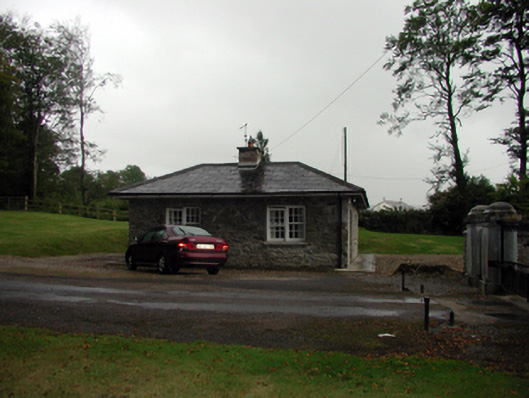 Whitechurch Housegate lodge · 114 yd
 Whitechurch BridgeOfficially recorded historic building · 402 yd
 Enclosure in Bridgequarter (decies Without Drum By.)Enclosure · 760 yd
 Fulacht FiaidhFulacht fia · 1511 yd
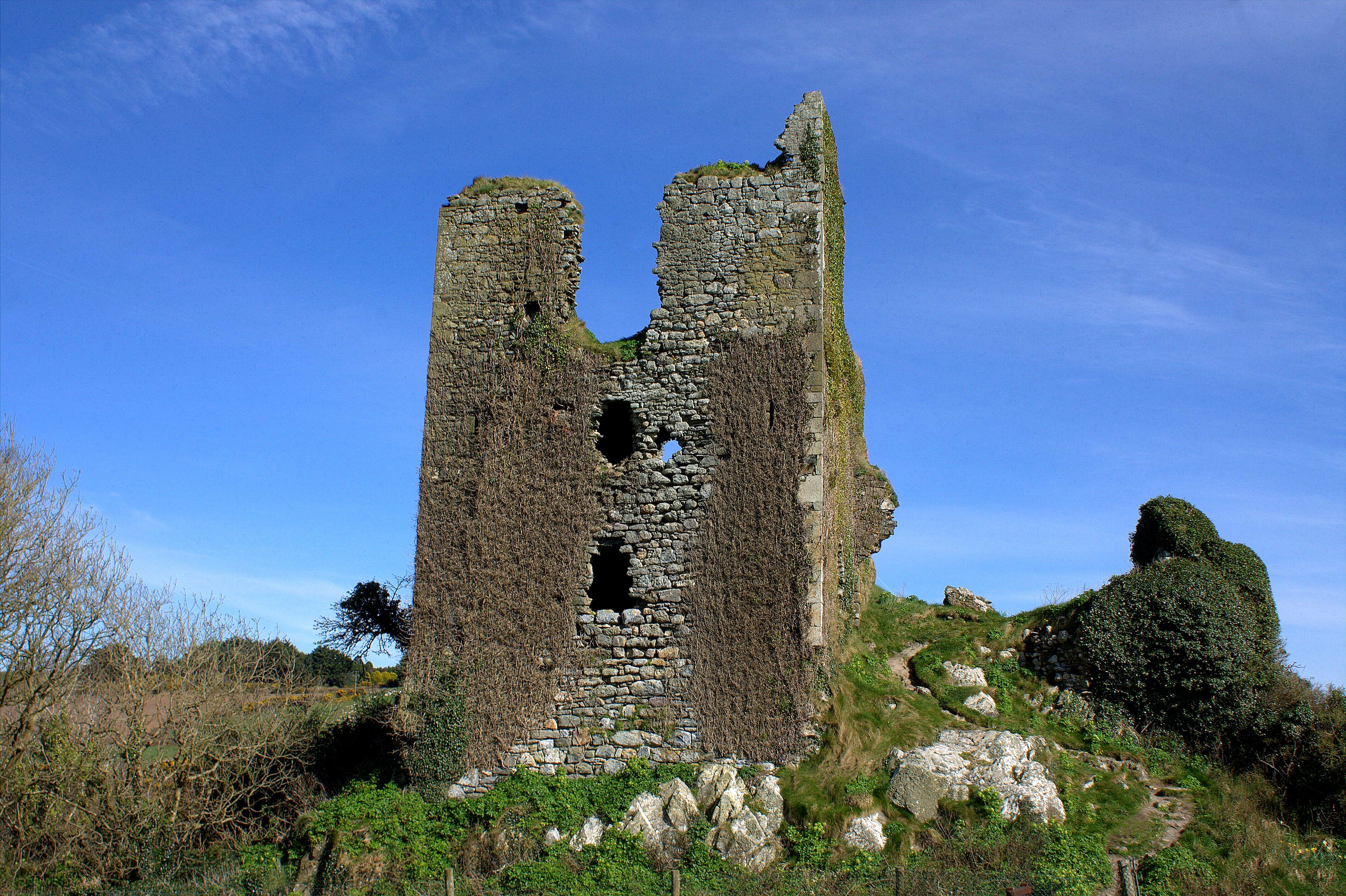 site of CastleCastle, unclassified · 1573 yd
 Kilgreany CaveCave · 1.4 mi
 Abbey (in ruins)Castle, tower house · 1.8 mi
 Dromona HillMountain / peak · 2.9 mi
 Battle of AffaneMajor battlefield · 2.9 mi
 Dromana GateHeritage attraction · 3.1 mi
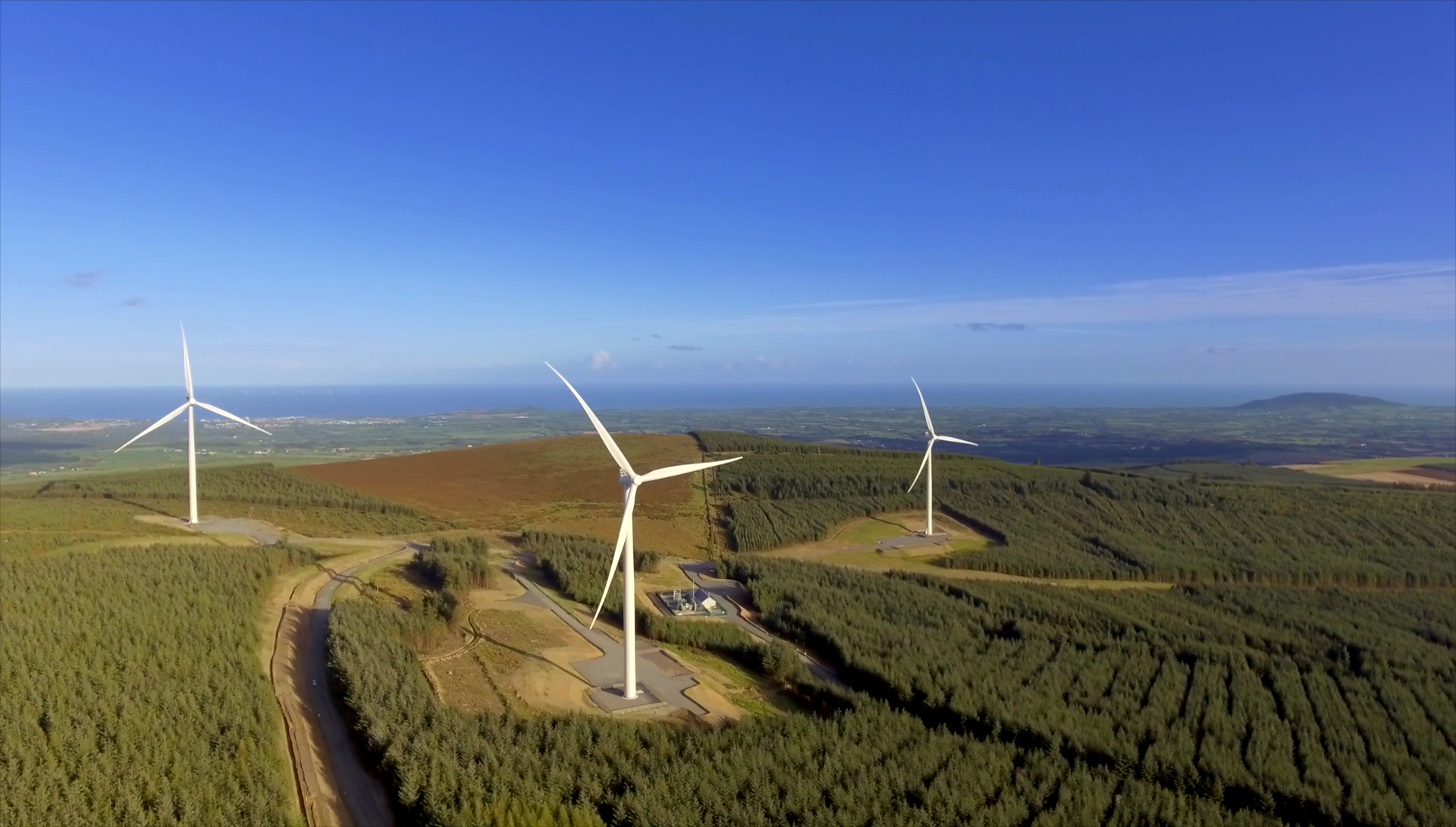 Coillte infoboardVisitor information · 3.4 mi