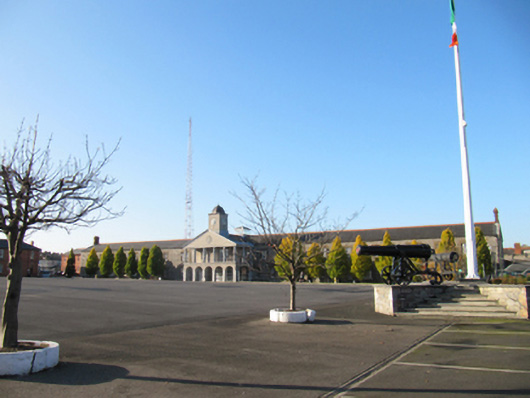
What is recorded here
Detached twenty-one-bay two-storey barrack range, built c.1810, having recent pedimented pavilion to front (east) elevation, and returns and recent extensions to rear (west) elevation. Pitched slate roof with red brick chimneystacks, terracotta ridge cresting and finials, granite eaves course, cast-iron rainwater goods and masonry coping. Square-profile domed turret over recent pavilion. Snecked rubble calp limestone walls having calp limestone plinth course. Red brick to returns. Rendered walls to recent pavilion, arcaded to ground floor, with colonade to first floor. Square-headed window openings having yellow brick block-and-start surrounds, granite sill, one-over-one pane timber sash windows, six-over-six pane timber sash windows and tripartite timber sash windows. Square-headed door openings to front, having cut granite Gibbsian surrounds and stepped keystones, timber battened doors, overlights and cast-iron bootscrapes.
Portobello Barracks was constructed at the beginning of the nineteenth century as a cavalry barracks. It was taken over by Irish troops in 1922, and became the Headquarters of the National Army, under the leadership of Michael Collins. In 1952 it was renamed after Cathal Brugha, Chief of Staff of the Irish Republican Army during the War of Independence, and Minister for Defence in the first Dáil. The form and design of this range is typical of military architecture at the time, and prior to the addition of the central pavilion, repeated the form and fabric of the building opposite. Historic features remain, including timber sash windows and bootscrapes, adding to the building's traditional character.
This does not grant access. Most recorded buildings are privately owned; view them only from public ground unless the owner allows entry.
Places near here
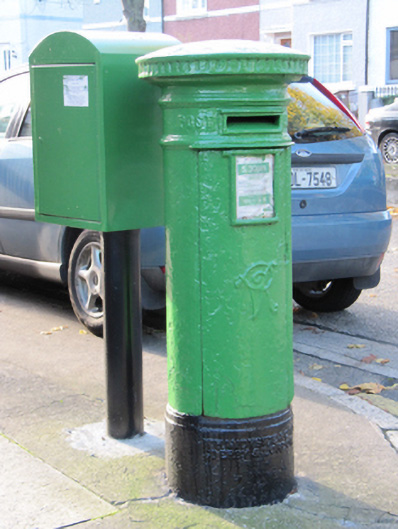 post boxpost box · 200 yd
 Robert EmmetMemorial · 300 yd
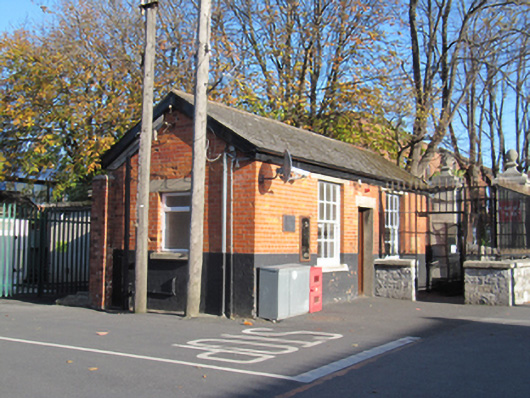 Cathal Brugha Barracksguard house · 316 yd
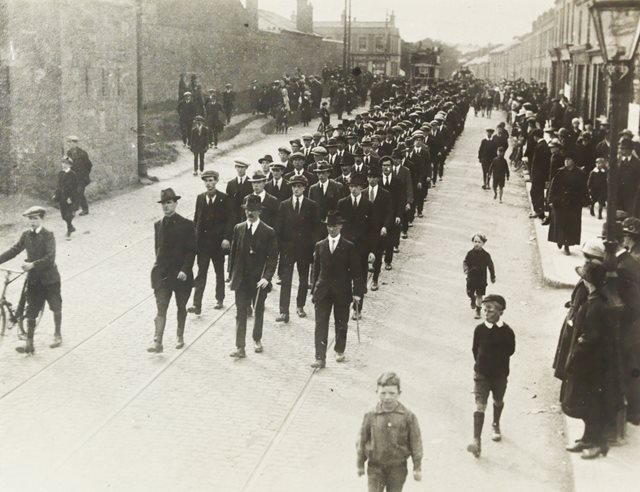 Fourth Battalion Dublin BrigadeMemorial · 427 yd
 Irish Jewish MuseumMuseum · 486 yd
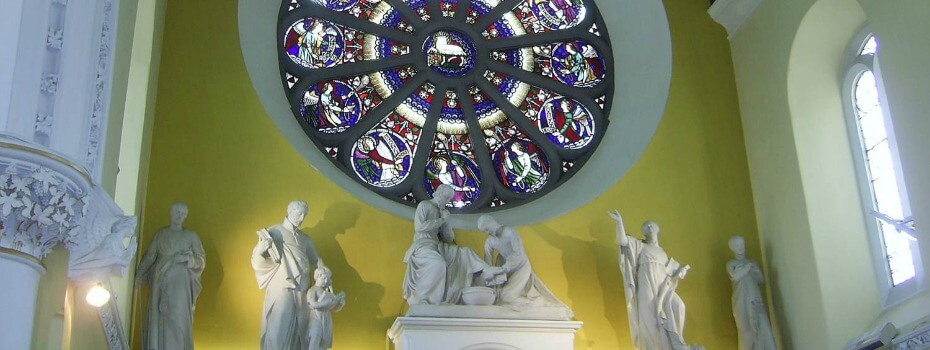 Mary Aikenhead Heritage CentreMuseum · 593 yd
 Site of Donore Castle indicatedCastle, unclassified · 945 yd
 David Luke 1993Monument · 1126 yd
 Battle of RathminesMajor battlefield · 1237 yd
 Liberty BellMonument · 1557 yd
 Rathgar CastleCastle, unclassified · 1.1 mi
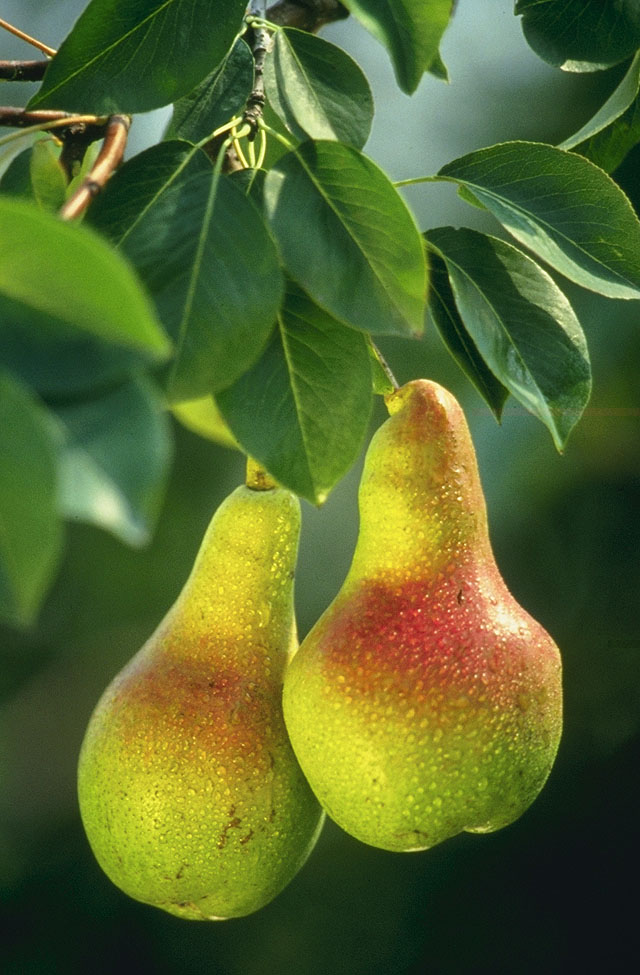 European PearEuropean Pear · 1.2 mi
Other information
Photo: National Inventory of Architectural Heritage · Website use allowed for educational or private purposes with source credit