
What is recorded here
Freestanding single-bay lime kiln on rectangular-plan, erected c. 1800. Tapers outwards towards base. Now out of use. Constructed of roughly coursed rubble stone masonry. Segmental-headed opening to front, the former oven aperture, having rubble stone voussoirs. Former loading chamber on ovoid/circular-plan to the top having rubble masonry construction. Built into rock outcrop adjacent to former quarries. Earthen embankment to rear, formerly giving access to loading chamber. Set well back from road to the south-west of the site of Castle Wray (house ruinous, see 40905304), and to the north-east of Letterkenny.
This interesting former lime kiln survives in good condition and retains its early character. It is well-built using local rubble stone masonry and is an appealing and unassuming element of the agricultural/industrial and social heritage of County Donegal. The embankment to the rear was built/modified to allow for the easy loading of stone through an opening in the roof structure, while the aperture to the front was used to fire the oven to burn the stone and produce lime. Lime kilns appear to have come into popular use in Ireland during the eighteenth century and were a very common feature in the rural landscape up until the first decades of the twentieth century. They were used to burn limestone to produce lime, which was used as an agricultural fertilizer and spread on agricultural land, or in construction as a mortar and a render. Lime was also used for lime-washing buildings, particularly farm buildings, as it was regarded as a cleansing agent at the time. It is located to former quarries (depicted on Ordnance Survey first edition six-inch map of 1837). This is within the grounds of the former demesne of Castle Wray (house ruinous, see 40905304) and was probably used to provide lime for improving the productivity of the estate. Small rural lime kilns started to go out of common usage during the late nineteenth-century with the advent of industrial-scale lime production facilities and improvements in the transport network, particularly the development of the railways. This simple feature is an interesting feature landscape to the north-east of Letterkenny, and is an integral element of the built heritage of the local area.
This does not grant access. Most recorded buildings are privately owned; view them only from public ground unless the owner allows entry.
Places near here
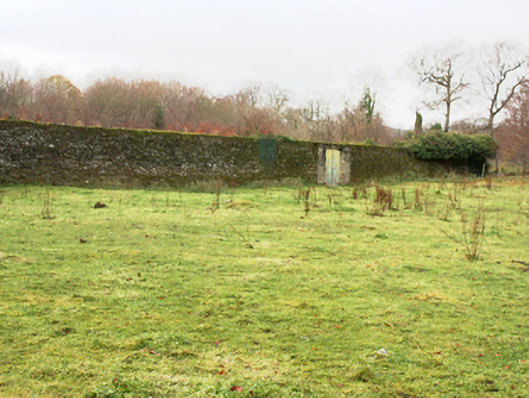 Castlegrovewalled garden · 280 yd
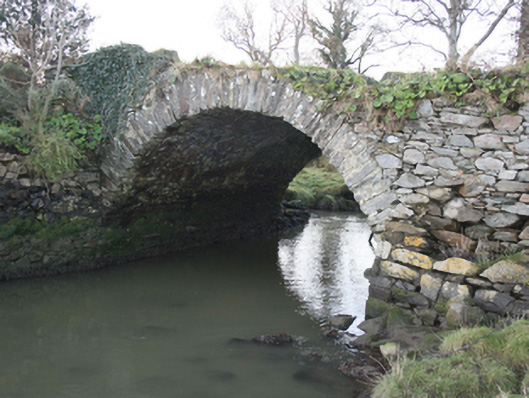 Castle Wraybridge · 317 yd
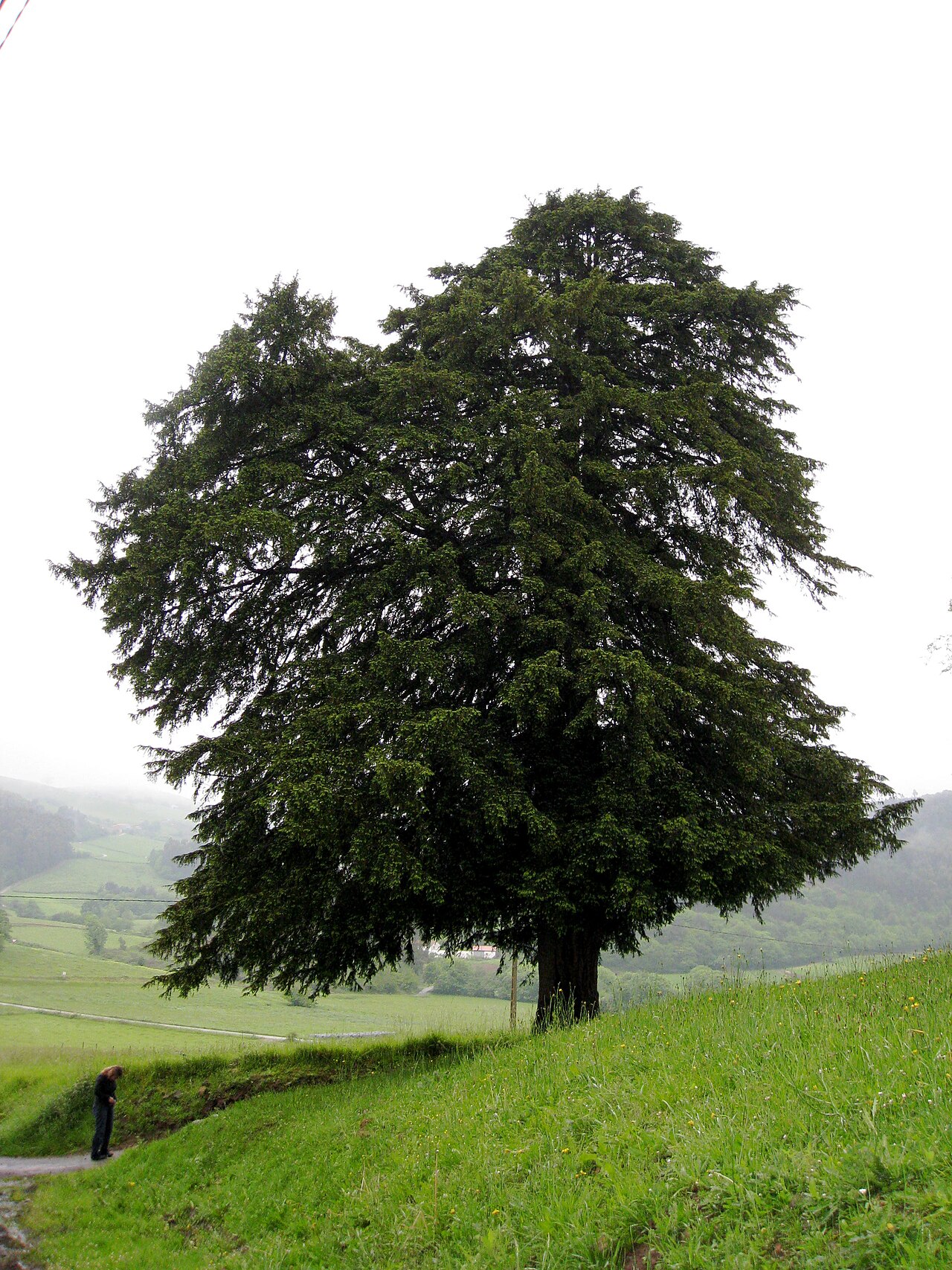 European YewEuropean Yew · 741 yd
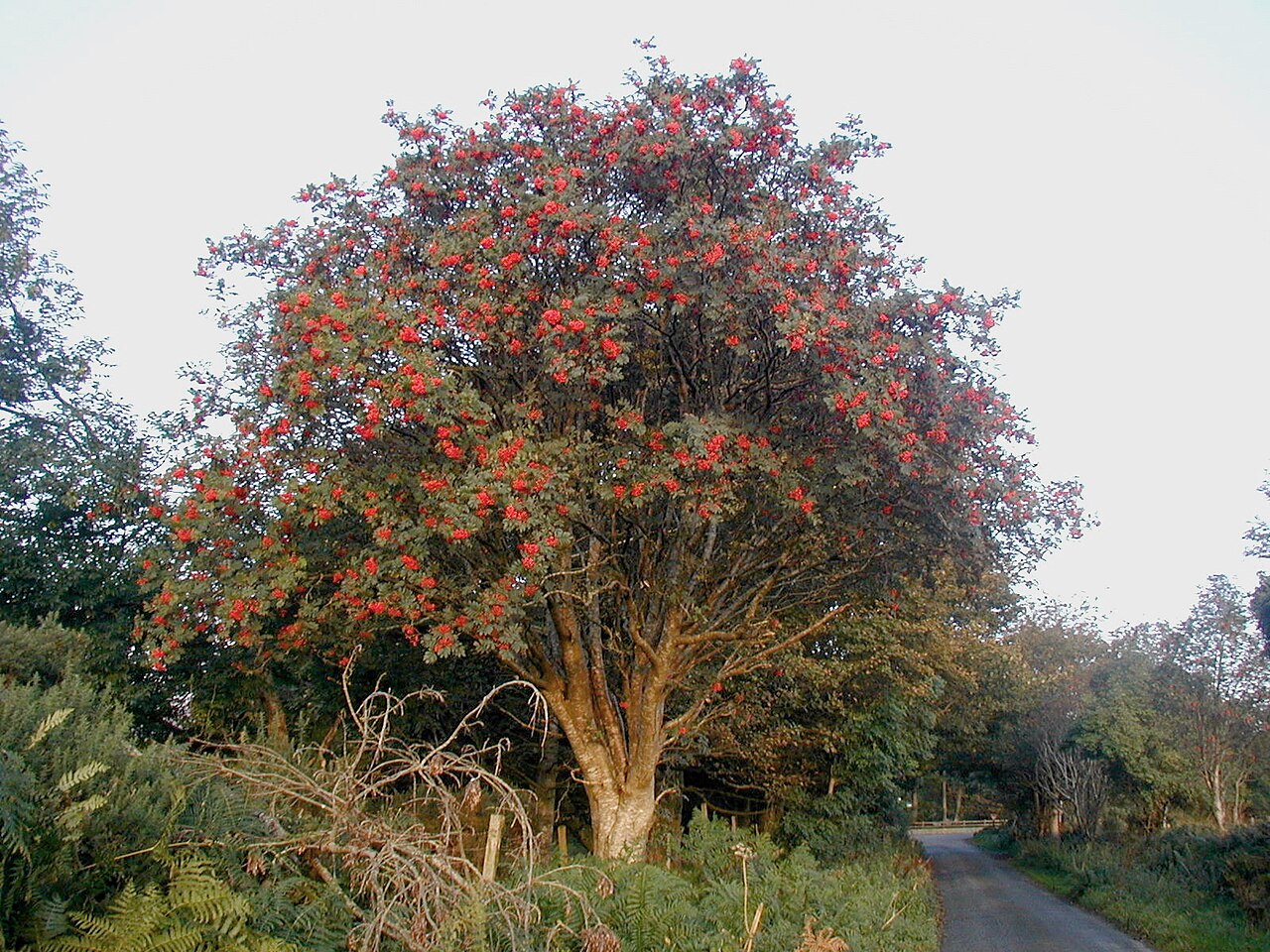 RowanRowan · 810 yd
 Maghera Beg Cropmark EnclosureEnclosure · 1.9 mi
 Maghera More Fairy FortFairy fort / ringfort · 1.9 mi
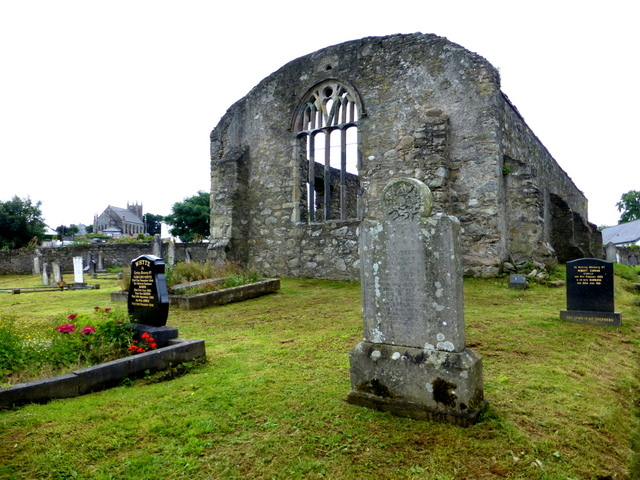 Tullyaughnish Old Church GraveyardGraveyard · 3.7 mi
 Bawn in RathmeltonBawn · 3.9 mi
 CastleCastle, unclassified · 4.3 mi
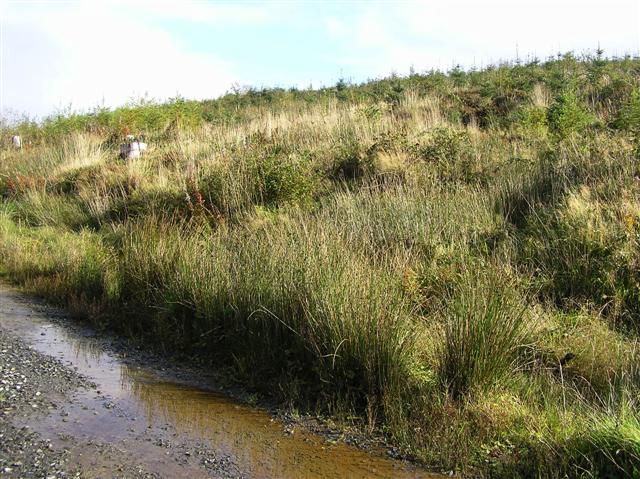 Mongorry HillMountain / peak · 6.4 mi
 Battle of Scarrifholisbattle · 6.7 mi
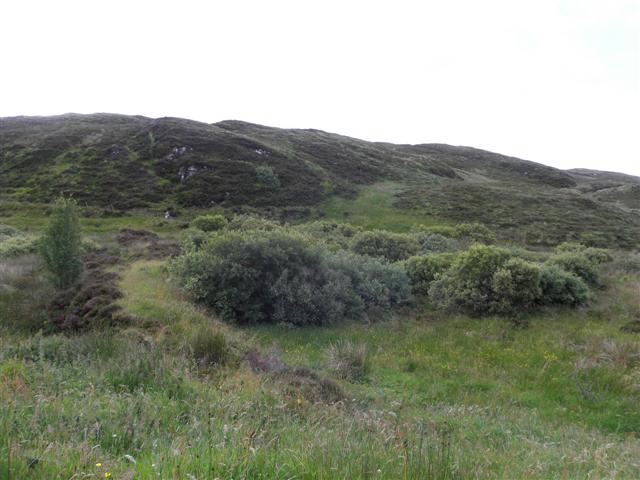 Gregory HillMountain / peak · 6.7 mi
Other information
Photo: National Inventory of Architectural Heritage · Website use allowed for educational or private purposes with source credit