Places near here
Photo credits
- National Inventory of Architectural Heritage
- Carroll Pierce, Wikimedia Commons · CC BY-SA 2.0
- jwd, Geograph · CC BY-SA 2.0
- Mike Murphy ( talk · contribs ), Wikimedia Commons · CC BY-SA 3.0
- EecherplazGinkgo06.jpg : Cayambe derivative work: Ginkgotree ( talk ), Wikimedia Commons · CC BY-SA 3.0
- Ian Paterson, Geograph · CC BY-SA 2.0
- Jo and Steve Turner, Geograph · CC BY-SA 2.0
- Paul Johnston-Knight, Wikimedia Commons · CC BY-SA 2.0
- Amir Mohammad Saeid, Wikimedia Commons · CC BY-SA 4.0
- JP, Geograph · CC BY-SA 2.0
 Kieran BradyCastle/fortified house · 2 yd
Explorer Tom Kieran Brady in Ballyowen is the only building left from the castle group, which makes it the last survivor of a very dramatic family feud. It’s sitting right next to a shopping centre, which is either genius or pure chaos depending on who you ask. The historic dimension adds a nice touch between the gift shops and the car park. Give it a thumbs up for staying standing.
 post box515 yd
Explorer Tom The Post box in Balgaddy is obsessed with a shortcut that isn't actually a shortcut, but just a very long way around to get back to exactly where you started anyway. It’s a traditional cast-iron box blending into a new residential area, so it probably feels like the old uncle at a party who knows no one. Drop a letter in if you dare, or just pretend you did.
 St Jude'sHouse · 534 yd
Explorer Tom St Jude's in Ballyowen once had a dramatic incident where a chandelier fell straight through the floor and landed on a cat who was napping. It’s a handsome house with vibrant colour that contrasts with the modest vernacular structures nearby, so just enjoy the view of its fine fabric from the quiet country road.
 Hermitage ParkPark · 1146 yd
Explorer Tom Hermitage Park in County Dublin is where the locals go to be left alone, but they're not very good at it. No records? I bet there's a hermit who actually enjoys the company. Say hi!
 Griffeen Valley WalkWalking route · 1224 yd
Explorer Tom Griffeen Valley Walk in County Dublin has strict rules that say you must whisper because the trees are very shy and get embarrassed easily if you shout too much. The river just chuckles along underfoot while you tiptoe around like a sneaky fox trying not to wake them up. Go now, before it gets famous.
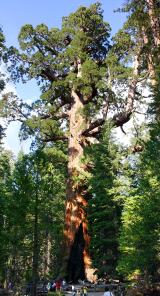 Giant Sequoia1.5 mi
Explorer Tom Giant Sequoia in County Dublin would win any county fair easily just by standing there and looking like it ate an entire forest for breakfast. It’s the kind of big that makes your car look like a toy in a toy shop. Best enjoyed with a bag of chips and no plans.
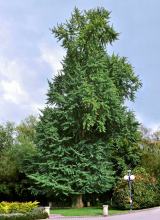 Ginkgo1.5 mi
Explorer Tom Ginkgo in County Dublin is an absolute fossil, older than your grandma’s dentures and twice as opinionated. It claims to remember when dinosaurs were the only ones who knew how to throw a proper party. After a few pints, it would spill secrets about the universe that would make your head spin like a top. Visit, then text me what you think. I'll pretend to read it.
 The Round TowerVisitor information · 2.1 mi
Explorer Tom The Round Tower in Clondalkin is basically a giant bell that got tired of ringing and decided to just stand there looking cool instead. It’s got that 'I’ve seen things you wouldn’t believe' vibe, especially with its original cap still on top like a fancy hat. I’d say it’s the most stylish piece of architecture in the neighbourhood. Leave nothing but footprints and a bad pun.
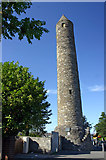 Round Tower2.1 mi
Explorer Tom Round Tower in Clondalkin claims there’s a hidden tunnel straight to the local pub, which is definitely true if you believe me enough. Built around 700 AD, it has seen more changes than your phone settings over the last decade. The floors were added later, so it’s like a vintage car with modern rims. Go back in winter, it's a different animal.
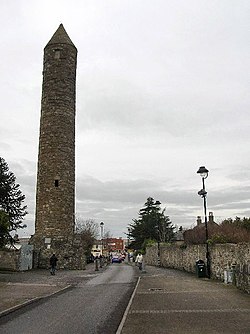 Clondalkin Round TowerHeritage attraction · 2.1 mi
Explorer Tom Clondalkin Round Tower has stood over Dublin for more than a thousand years while I still struggle to arrive on time. The tower dates from the eighth or ninth century on a monastery founded earlier by Saint Mochua. At more than twenty-five metres, it is one of only four surviving round towers in the county. Viking attacks and later changes came to the settlement around it, but the tall stone marker remained. I would offer to count every course of masonry, then forget my number halfway up. The tower is a protected monument in central Clondalkin. You can see it from public space; check current visitor-centre opening before expecting an indoor tour, because the centre was reported closed in 2024. Stand back to take in the whole height. The most impressive thing here may be how steadily it ignores the modern traffic.
 CastleCastle, unclassified · 2.3 mi
Explorer Tom Castle in Clondalkin is Tully’s Castle, a narrow 16th-century tower with crenellations right on Monastery Road. It’s in state care, so it’s basically a celebrity that can’t leave the house. Ring your granny and tell her where you are before she worries about the round tower.
 Grand Canal WayWalking route · 3.7 mi
Explorer Tom Grand Canal Way in County Dublin is absolutely sick of people asking if the water is actually moving or just pretending to be a river. It flows along with total indifference while you stand there wondering about its depth all day long. Bring a coin for luck and keep it in your pocket.
More castles and forts in County Dublin · All of County Dublin

What do you know about this place?Tap to add a comment or ask a question