What is recorded here
Cashlanmoyle rose on a slight Shannon flood-plain near Lanesborough, where Irriell O'Farrel lost it to Irish rebels by 1596. Its robbed walls still hold gun-loops and vaulted rooms, testifying that the castle was built to fight, not merely to shelter. The castle may have watched bridges, trade and raiders for centuries before people stopped naming it proudly.
On a slight rise on the flood-plain of the River Shannon, c. 150m from the river at Lanesborough where there was a bridge (RO037-005----) from 1140 AD. Walter de Lacy started to build a castle at Ath Liagh in 1220, and in 1227 a castle was completed by Geoffry Mares, but this was probably an earth and timber castle and may have been in Co. Longford (LF017-003002-).
This tower house, which was known as Caisleán Maol, has few historical references, although the abbot of Cloontuskert (RO037-001001-) possessed the castle of Lanesborough, then called Boalalege (Ballyleague), and six cabins (RO037-008----) in 1571 (O'Flanagan 1931, vol. 1, 49), which remain unlocated. By 1596 the castle had been lost by Irriell O'Farrel to Irish rebels (Cronin 1980, 117). Ballyleague castle is depicted and named on the Down Survey barony map (1655-6) of Rathcline, Co. Longford.
Rectangular structure (int. dims. 8.8m N-S; 5.6m E-W) with largely robbed quoins surviving to the second floor under the N-S vault. The destroyed entrance is at the S end of the E wall which led through a projecting and now destroyed tower which probably also contained the stairs, into the ground floor. There is a destroyed fireplace and two horizontal gun-loops in the the E wall with two gun-loops and a large hole in the W wall. The N wall has a large destroyed window and the S has a gun-loop and a large window. The first floor has a fireplace and two gun-loops in the E wall, and two fine round-headed lights in the S wall. The W and N walls have two destroyed windows and a single light. The second storey has a fireplace in the E wall and robbed windows in the other walls.
See the attached general view from the S (001) and a window at the first floor in the S wall (002).
Compiled by: Michael Moore
Date of upload: 3rd June, 2011.
Built in the early 13th century, likely by Anglo-Norman settlers following Walter de Lacy's expansion in the region, Cashlanmoyle, Ballyleague is important as a testament to the strategic colonization of the Shannon floodplain during the Anglo-Norman invasion of Ireland.
This remains an important historical record, but the official description says the monument is no longer visible or has been destroyed. The monument record does not grant public access. Check the route and ask the landowner before entering private land.
- What survives
- No visible remains or recorded as destroyed
Places near here
 Lanesborough Bridgebridge · 267 yd
 Bridge in LanesboroughBridge · 288 yd
 Commons North WalkVisitor information · 699 yd
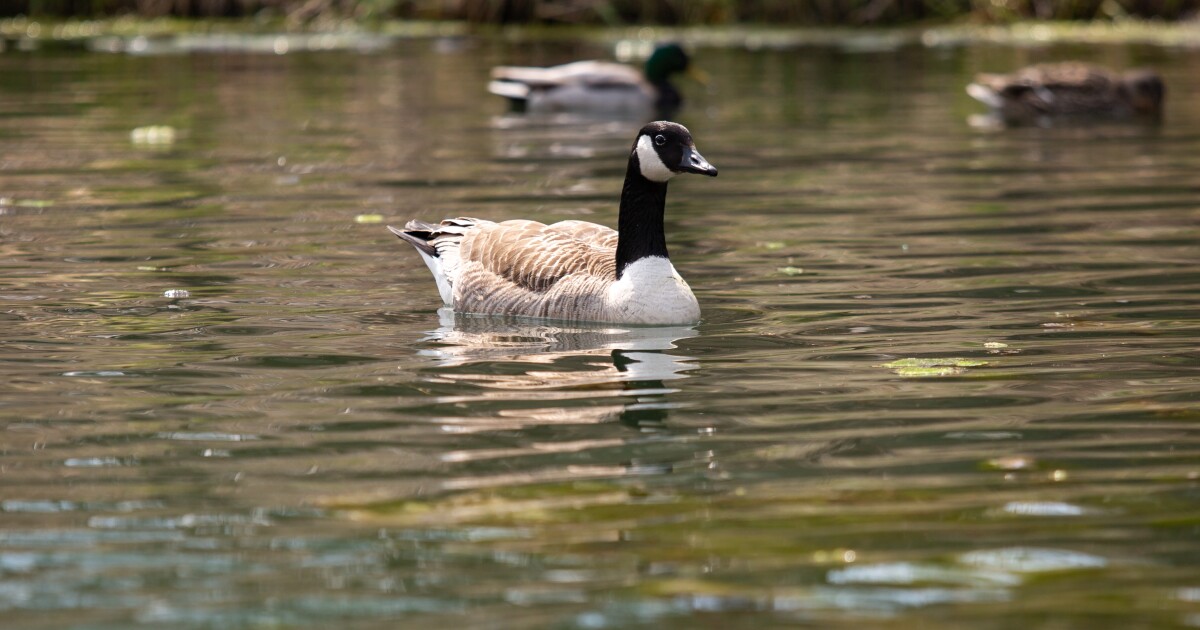 Wild birdsVisitor information · 1224 yd
 Ballyclare IslandIslet · 1699 yd
 White Sand WoodWood · 1.3 mi
 Rathcline CastleBawn · 1.7 mi
 IndicatedEnclosure · 1.9 mi
 Cross in Glebe (rathcline By., Rathcline Ed)Cross · 2.2 mi
 FerrinchIslet · 3.0 mi
 Slieve BawnMountain / peak · 4.3 mi
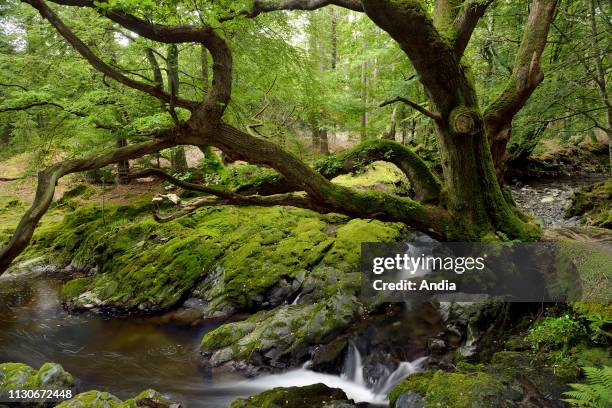 Doughill ForestForest · 4.7 mi