What is recorded here
Sir Hugh Tyrell raised the limestone keep on Castleknock's natural prominence around 1174, forcing Edward Bruce to besiege it in 1316. Ivynow strangles the polygonal walls and hides the garderobe chute, but the straight seam between keep and curtain wall still marks two phases of building. Vincentian monks bury their dead inside the irregular enclosure, turning a Norman war-machine into a quiet cemetery where staircase traces vanish under green rot.
Located on a natural prominence west of the present Vincentian College. The W side of a polygonal keep with it's W section of curtain wall stands at the E end of a motte (DU017-012001-). The keep rises to two storeys. It is built of regular blocks of coursed limestone masonry with slate packing. Traces of a staircase were visible to first floor level (wall Wth 2.25m). An opening through the W section of keep is supported by concrete additions. Traces of machiolation survive above this opening. The base of the castle appears to have been damaged by ivy removal and there are substantial stone missing. Massively overgrown with ivy.
Built by Sir Hugh Tyrell Governor of Trim in c.1174. In 1316 Edward Bruce brother of Robert laid seige to it. A 1698 sketch shows a substantial structure four storeys high with battlements, a base batter and large windows at first floor level (Sweetman 1999, 85). There is a straight seam between the curtain wall and keep which indicates two phases of construction. The area enclosed by the curtain wall (H 2.6m) is irregular in plan (dims. c. 30m E-W, c. 20m N-S, 2.60m). It serves as a cemetery for the Vincentian Order. In the junction between the keep and curtain wall there are traces of a vaulted opening overlooking the earthen defences. The inner face of the curtain wall is under-cut. There is a base batter around the exterior in the W section and remains of garderobe chute. An arched recess in the interior of the curtain wall is probably a later addition (Ball 1920, 2-5, Leask 1941, 43).
Compiled by: Geraldine Stout
Updated by: Christine Baker
Date of upload: 29 January 2015
Built in the late 12th or early 13th century, likely by Anglo-Norman settlers expanding into the region. The site is important as a rare surviving example of early medieval military architecture in the area, illustrating the strategic use of natural topography for defense.
The monument record does not grant public access. Check the route and ask the landowner before entering private land.
- What survives
- Recorded monument
Places near here
 Castleknock CastleCastle · 2 yd
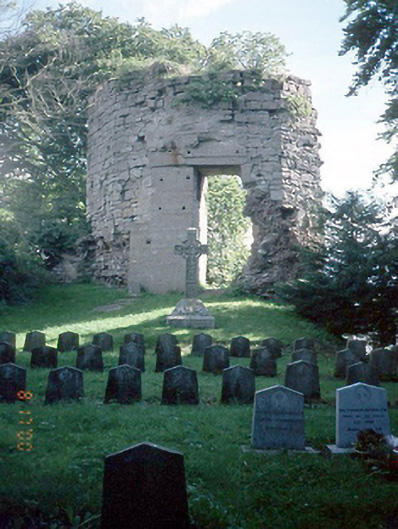 Saint Vincent's Collegegraveyard/cemetery · 21 yd
 TowerBurial · 281 yd
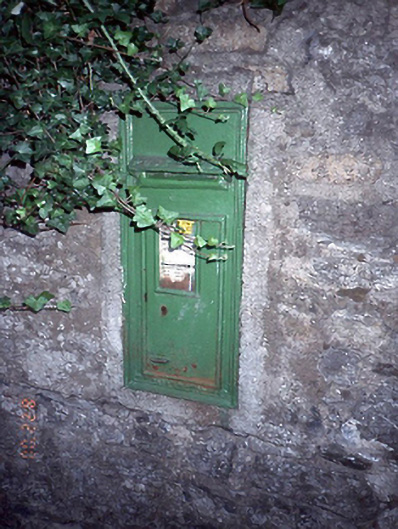 post boxpost box · 335 yd
 ExcavationExcavation, miscellaneous · 464 yd
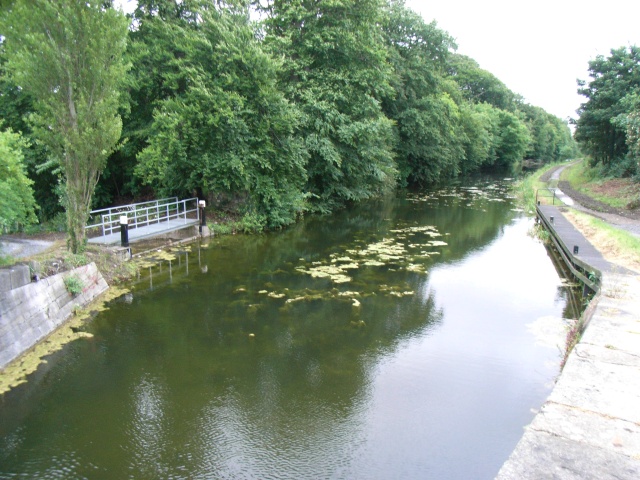 The Royal Canal WayWalking route · 1005 yd
 National Famine WayWalking route · 1007 yd
 Graveyard in Palmerstown LowerGraveyard · 1360 yd
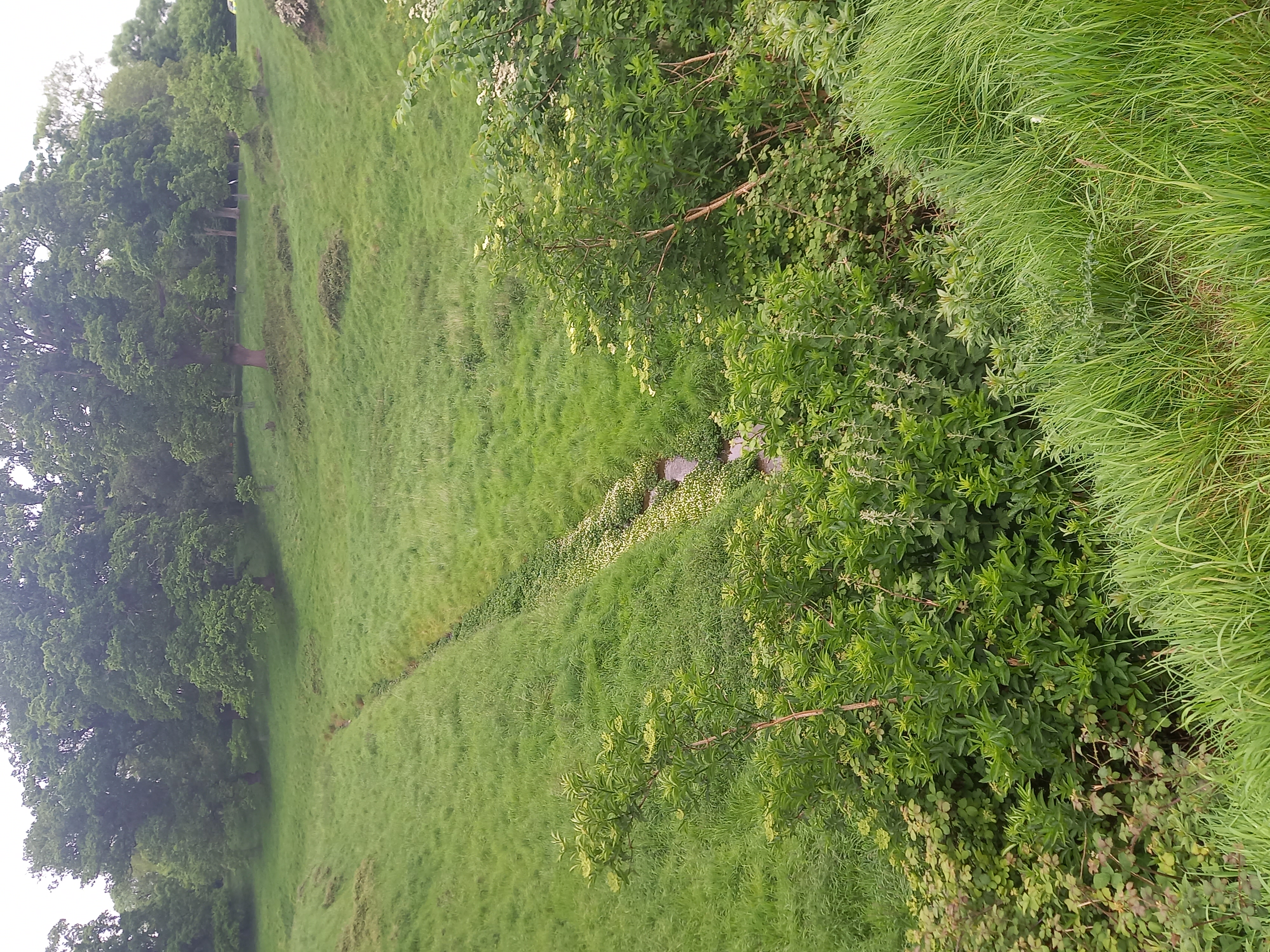 Furry GlenWood · 1734 yd
 Oldtown WoodWood · 1.4 mi
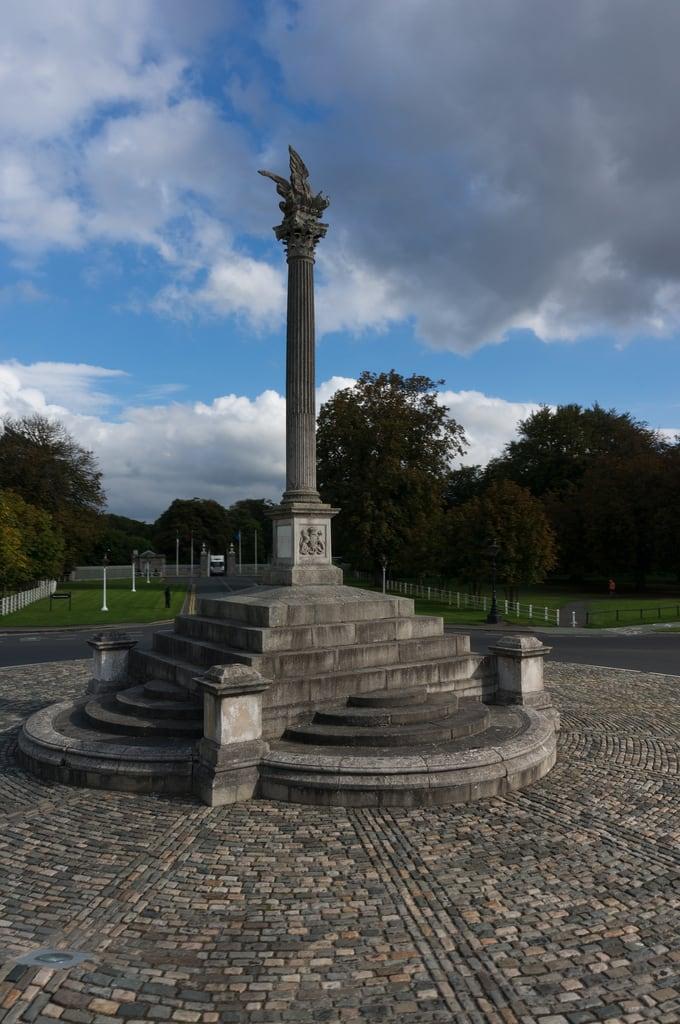 Martin Savage Memorial MonumentMonument · 1.6 mi
 Blanchardstown Centre information deskVisitor information · 1.9 mi