What is recorded here
You can still picture the shallow circular mound, barely fifty feet across, ringed by a narrow ditch and crowded with pits, stake holes and charcoal. People kept returning there across generations, burying the dead in small stone chambers, setting food vessels beside them and widening the ditch to draw more graves inside its circle. The site records patience rather than grandeur: a place where memory was built layer by layer, burial by burial, until the land itself became a container for the departed.
Part of a complex excavated in 1948 (O'Kelly, 1952). Excavation revealed circular 'very low mound' (diam. 52ft) enclosed by 'round bottomed' fosse (D 1ft; Wth 3ft). This overlay pits, stake-holes, charcoal spreads and fragments of a human skull and 'produced a range of pottery types which date the monument to the Neolithic period' (ibid.); subsequent activity on site of three more phases interpreted as follows: multiple cist cairn (CO027-069---) placed on mound of ringbarrow and within fosse; food vessel burial (CO027-161---) outside fosse; urn burial (CO027-260---) also outside fosse, which was extended to enclose burial. This sequence recently questioned in light of two radiocarbon dates from the site and reclassification of 'Neolithic' pottery as Beaker pottery (Brindley et al., 1987/8, 13-20). Three phases suggested: short term settlement with beaker pottery, pits etc.; multiple cist cairn with food vessel burial to SW; cist reused and cairn modified by enclosing it with fosse, which soon after was extended to enclose urn burial.
The above description is derived from the published 'Archaeological Inventory of County Cork. Volume 4: North Cork' (Dublin: Stationery Office, 2000). In certain instances the entries have been revised and updated in the light of recent research.
Date of upload/revision: 14 January 2009
Neolithic cairn with cists, dating to the 4th–3rd millennium BCE. Its significance lies in its association with early funerary and ritual practices in the region, as indicated by the fosse, stake-holes, and charcoal deposits.
The monument record does not grant public access. Check the route and ask the landowner before entering private land.
- What survives
- Recorded monument
Places near here
 Burial in Moneen (fermoy By.)Burial · 195 yd
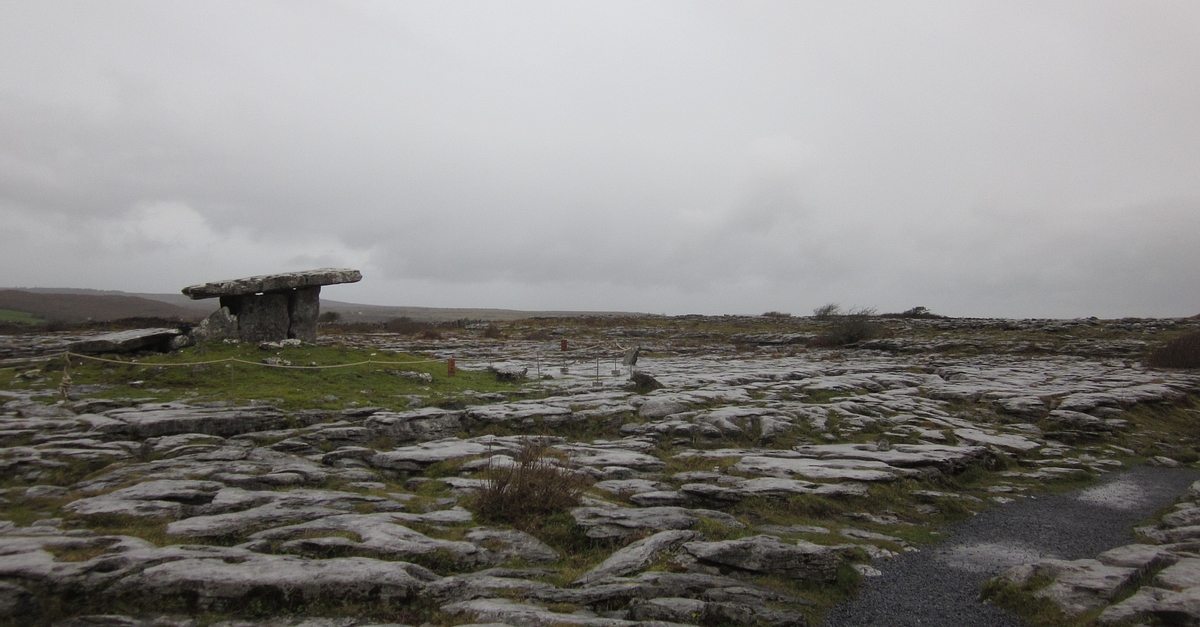 DolmenMegalithic structure · 331 yd
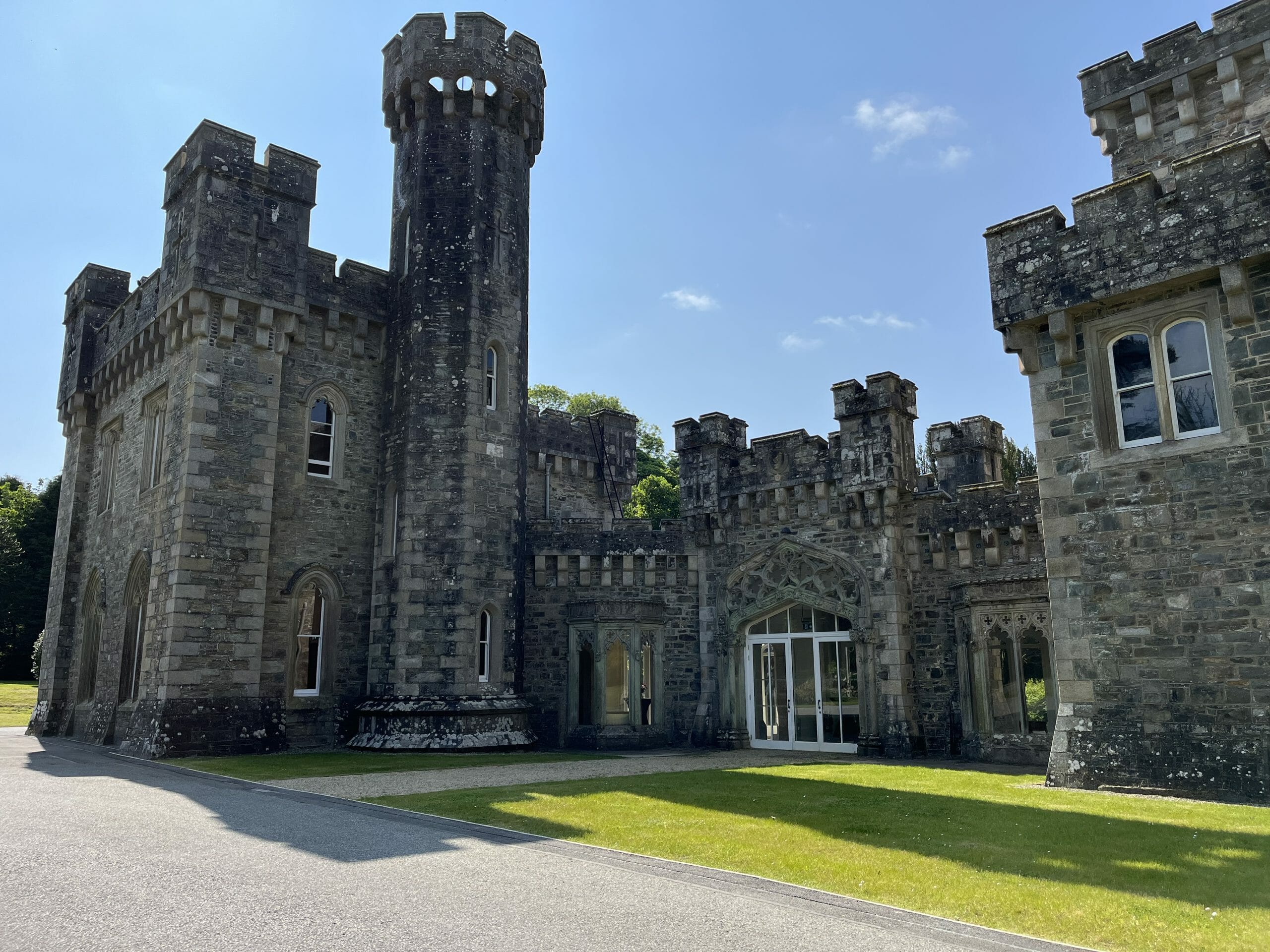 CastleCastle, unclassified · 1149 yd
 kilnkiln · 1407 yd
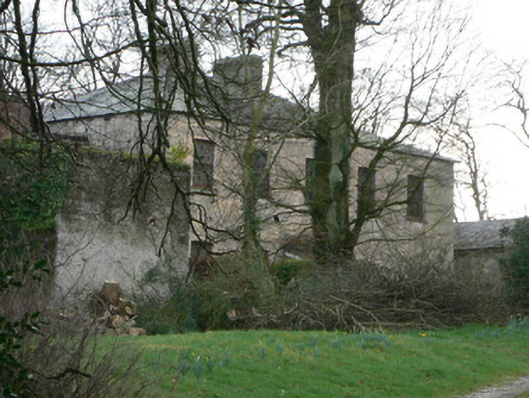 The Rectoryrectory/glebe/vicarage/curate's house · 1469 yd
 Glanworth CastleCastle · 1.1 mi
 Graveyard in BoherashGraveyard · 1.1 mi
 St Dominick's WellSpring · 1.1 mi
 Blackwater (Avondhu) WayWalking route · 2.9 mi
 Johnson's WoodForest · 3.2 mi
 Priest's WoodForest · 3.3 mi
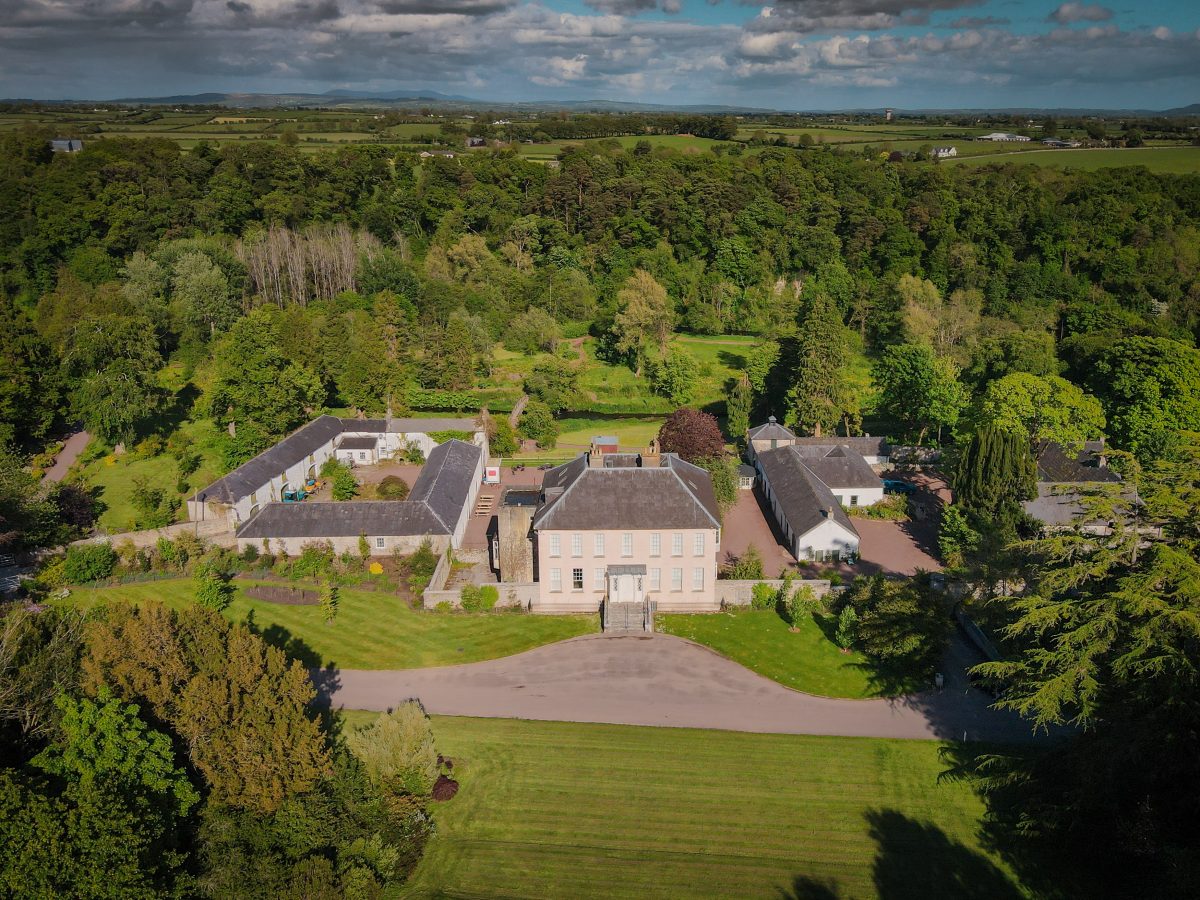 Anne's Grove GardensHeritage attraction · 4.2 mi