What is recorded here
Black earth, charcoal and broken crock filled the rectangular chamber when ploughing opened it in Monataggart. Brash measured the flagstone box and read an ogham inscription on one lintel, while Quarry later found three more marked stones and a possible passage beside it. The buried place may have marked a line of descent, a forgotten claim or a warning to those who passed above.
Discovered in 1872 during ploughing; investigated by Brash (1879, 160-3) who described a 'cistvaen', a rectangular chamber 'about 5 ft. long, 3 ft. 6in. broad, and 3 ft. deep......formed of two flags at each side and two at each end and covered by three others'. One of the lintels was ogham inscribed (7978). Brash was informed that black earth, charcoal and some pieces of an old crock were found when the chamber was first opened. Brash said the ground around the chamber was slightly raised in a circular form like 'the base of a tumulus'. Further investigation at the same site by Quarry (1896,382) revealed possible Man-made underground passage (9092) and three other ogham stones (7979, 7980, 7981).
The above description is derived from the published 'Archaeological Inventory of County Cork. Volume 3: Mid Cork' (Dublin: Stationery Office, 1997). In certain instances the entries have been revised and updated in the light of recent research.
Date of upload/revision: 14 January 2009
Neolithic cist burial; dates to the early to middle Neolithic period (c. 4000–3000 BCE). Its significance lies in providing insight into early funerary practices and burial construction in the region.
The monument record does not grant public access. Check the route and ask the landowner before entering private land.
- What survives
- Recorded monument
Places near here
 Cave (Site of)Man-made underground passage · 1 yd
 Man-made underground passage in Kilmartin LowerMan-made underground passage · 627 yd
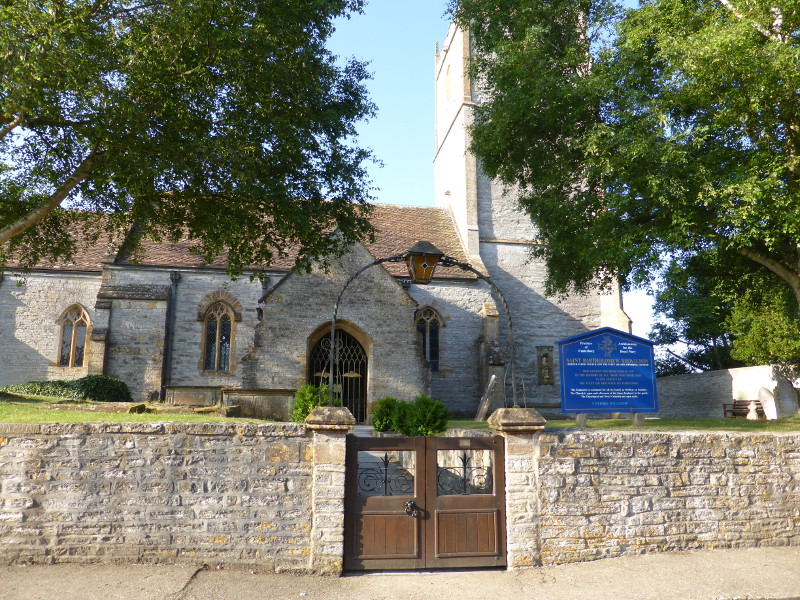 Saint Bartholomew's WellSpring · 690 yd
 Dripsey Bridge (Lower)Bridge · 1234 yd
 MillMill, corn · 1.7 mi
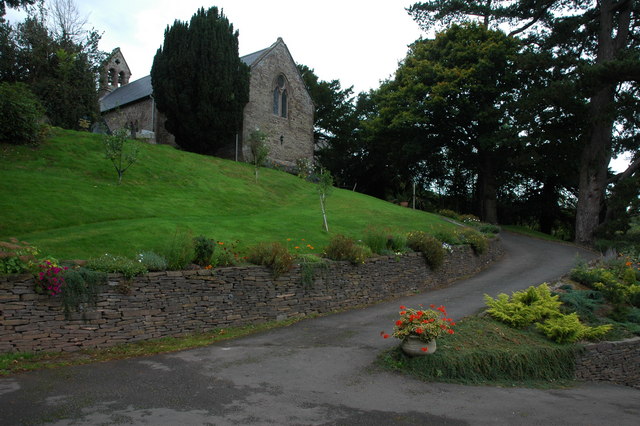 Oldcastle WoodWood · 2.1 mi
 New TipperaryVisitor information · 2.7 mi
 Carrignamuck Tower HouseCastle · 3.6 mi
 Mullinhassig WaterfallWaterfall · 3.9 mi
 Mullinhassig WoodWood · 3.9 mi
 Knockduff Wind FarmVisitor information · 4.2 mi
 Ballyvodane Castle (in Ruins)Castle, unclassified · 4.6 mi